
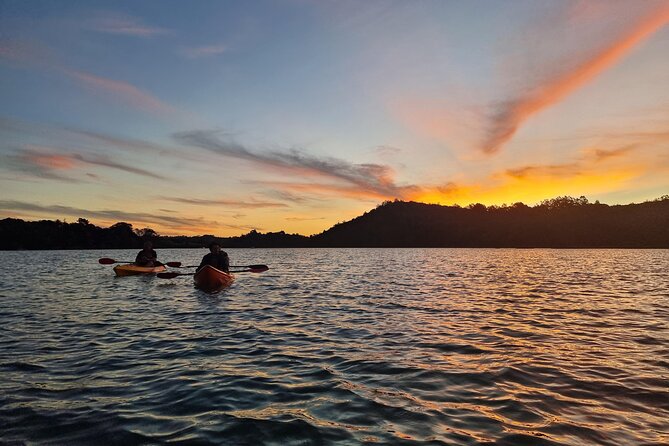
Reviewed · SEA KAYAKING & BIOLUMINESCENCE
Bioluminescence Kayak Tour – Est. 1994
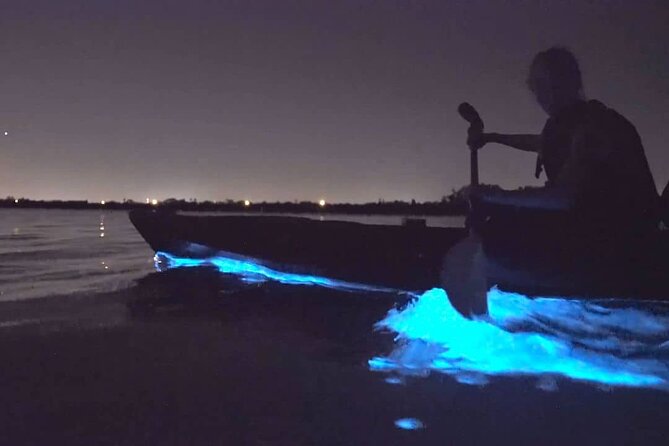
Kayak at night, then watch the water glow. This bioluminescence kayak tour takes you away from Auckland’s bright lights and into the dark, calm waters where your paddle can wake up natural light. You’ll be on the North Shore, but the whole vibe feels like you slipped out of the city for an ocean-side night party.
I love how first-timer friendly it is, with clear instruction and a small 1–6 guide-to-guest feel. I also love that you get the kayaking and safety gear included, so the price isn’t just for a spot on a boat.
One thing to keep in mind: the glow can be subtle, and how bright it looks depends on conditions. Photos can set expectations higher than what your eyes will catch in the moment.
In This Review
- Key Things I’d Pay Attention To
- Night Kayaking in Auckland’s Long Bay–Okura Marine Reserve
- The 2-Hour Flow: What Happens From Start to Finish
- Step 1: Meet at Rosedale and get kitted up
- Step 2: Learn to kayak without feeling rushed
- Step 3: Night paddle in the marine reserve
- Bioluminescence Reality Check (and How to Get More From It)
- What the Guides Actually Bring to the Trip
- Gear, Comfort, and That Inevitable Wet Moment
- Price and Value: Is $73.85 Worth Two Hours?
- Weather, Darkness, and the Photo Expectations You Should Set
- Meeting at Ascension Place: Logistics That Keep It Easy
- Who This Tour Suits Best (and Who Might Want a Different Option)
- Should You Book This Auckland Bioluminescence Kayak Tour?
- FAQ
- How long is the bioluminescence kayak tour?
- What does it cost?
- Is it okay if I have never kayaked before?
- What’s included in the tour price?
- Where do I meet for the tour?
- What happens if the weather is poor?
Key Things I’d Pay Attention To
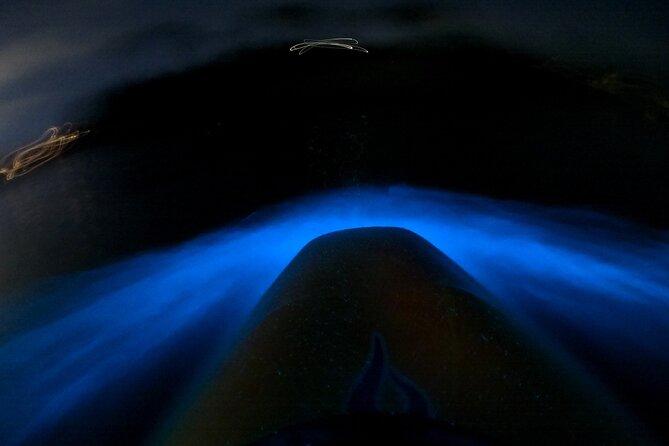
- Beginner instruction that actually works: no experience needed, with hands-on coaching and patient guidance
- Protected waters near Mairangi Bay: you paddle within a 6-mile (10-kilometer) radius of the North Shore Canoe & Kayak Store
- 1–6 guide-to-guest ratio with stable sea kayaks: calmer setup and better attention if you’re nervous
- Bioluminescence varies: sometimes you get lots of sparkles, sometimes it’s a quieter effect
- Bring clothes for getting wet: you may not stay totally dry, and a quick change makes the end more comfortable
Night Kayaking in Auckland’s Long Bay–Okura Marine Reserve
If you’ve only seen the ocean in daytime, this tour changes the whole picture. At night, the water goes from scenery to the main event. When the plankton light up, your paddle strokes can turn the surface into something like moving stars.
The tour also sells something harder to measure than speed or comfort: atmosphere. You’re out in darker conditions, with only the sounds of the Hauraki Gulf and native birds in the background. That matters, because bioluminescence is a visual effect, and a loud, light-filled setting just dulls it.
I also like the “city close, nature real” angle. You’re still in Auckland, yet the experience is designed to get you away from the harsh neon glow. That’s a big reason this still draws repeat bookings.
More paddles around Auckland, glowing water and all
- Bioluminescence Kayak Tour – Est. 1994
★ 4.0 · 187 reviews - Sunset kayak tour to Rangitoto Island
★ 5.0 · 168 reviews - Clearyak hire at Goat Island Marine Reserve
★ 5.0 · 80 reviews - Day sea kayak tour Rangitoto Island
★ 5.0 · 79 reviews
The 2-Hour Flow: What Happens From Start to Finish
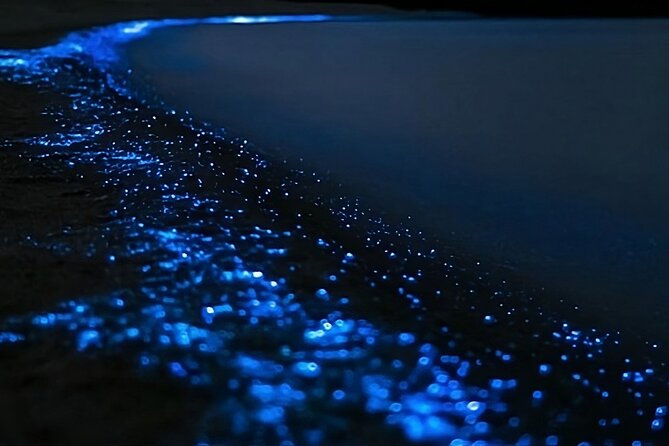
This is about a 2-hour experience, and it stays simple. You start at the meeting point (2/20 Ascension Place, Rosedale) and you finish back there. The core of the tour is a night paddle in the protected waters of the Long Bay–Okura Marine Reserve.
In practice, your time breaks into three phases: get set up, learn the basics fast, then paddle long enough to see the effect multiple times.
Step 1: Meet at Rosedale and get kitted up
You’ll meet your guides at the listed address. The night paddle is confirmed based on conditions, and the confirmation timing is handled before mid-afternoon (before 3:30pm) on the day of your tour. When it’s on, you’ll receive confirmation around booking time and you’ll use a mobile ticket.
Kitting up is part of the point. You don’t just get a kayak and a shrug. You get the full safety setup and the coaching so you can feel in control once darkness hits.
Step 2: Learn to kayak without feeling rushed
The tour explicitly works for people with no prior experience. Guides teach you how to paddle efficiently, how to handle the kayak in low light, and how to stay aware of your position.
What makes this valuable is not just learning strokes. It’s learning confidence. When it’s dark and the water is moving, “knowing what to do” matters more than “knowing how it works.”
Step 3: Night paddle in the marine reserve
Once you’re on the water, the goal is to paddle long enough to encounter bioluminescence along the way. You’ll stay within that 6-mile (10-kilometer) radius, so you’re not doing a marathon transit between far-off spots.
The Long Bay–Okura Marine Reserve is a key choice. You get protected-water conditions, which tends to make the experience smoother for beginners. Reviews also mention the water feeling calm, and that’s exactly what you want when you’re concentrating on the glow.
Bioluminescence Reality Check (and How to Get More From It)
Let’s talk about the part people really care about: how bright is the glow?
Here’s the honest answer: bioluminescence varies. You might get lots of sparkles and a strong underwater light effect, or you might see something more subtle. That doesn’t automatically mean it’s a bad tour. It means conditions matter.
Why this variation happens:
- Bioluminescent plankton aren’t a switch you flip. Their light depends on conditions in the water and how the organisms react to movement.
- Your position on the water and the amount of time you spend in the glow-producing areas can change what you notice.
So what should you do as a viewer?
- Look up as well as down. The tour experience is also about the night sky.
- Don’t treat your phone camera as the main event. In low light, it often won’t capture the effect the way your eyes do. You’ll enjoy it more if you see it live instead of hunting for proof on screen.
Also, the tour can include extra night nature moments. Some reviews mention glow worms showing up too. That’s not guaranteed in the info you’re given, but it’s a nice bonus when it happens.
What the Guides Actually Bring to the Trip
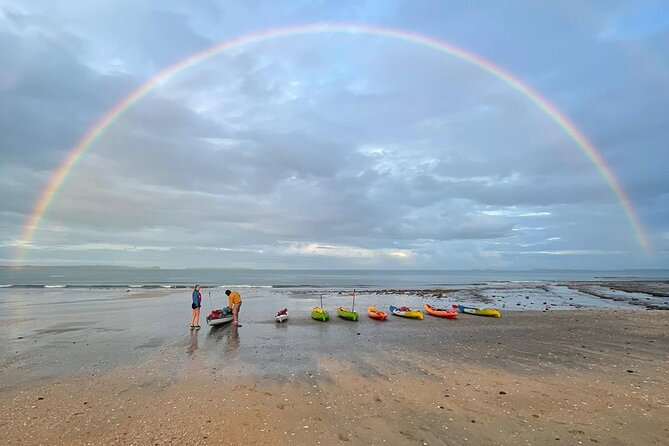
This is the category where the tour really earns its good reputation. The guides don’t just say “paddle this way.” They teach you how to stay safe and how to make the most of your limited time in the dark.
You’ll see a consistent theme: guides are friendly, patient, and tuned in to the group’s comfort level. Names that come up in past tour experiences include Josh and Elena, Eloise, Paul, Gareth and Madison, plus guides like Peter and Ben, and Sam.
What you can learn from that:
- If you’re nervous, the instruction style is designed for that. One of the best moments on this kind of tour is when you stop thinking about balance and start thinking about the water.
- Many guides explain the science of what you’re seeing. That turns a fun night into something you can talk about afterward, especially if you care about conservation in the area.
It’s also clear that good safety habits are part of the routine. Guides keep an eye on everyone, and they adjust the pace so nobody gets left behind.
Gear, Comfort, and That Inevitable Wet Moment
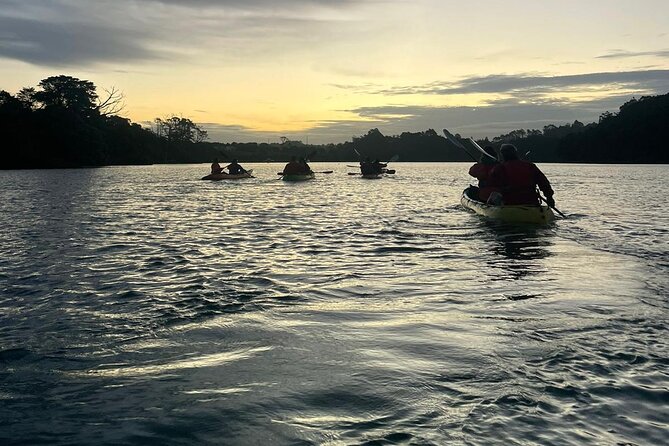
The tour includes all the kayaking and safety equipment. You also get stable sea kayaks or sit-on-tops, plus the guided tuition. That matters for value, because you’re not paying extra for rentals or trying to guess what’s required.
Comfort notes you should plan around:
- Expect to get wet, even if you don’t dunk the whole kayak. Several reviews point out that the wet factor is real, so plan like it’s part of the fun.
- Bring a change of clothes. This comes up directly in reviews, and it’s hard to argue with.
- If you have back trouble, you’ll be happier if you’re in a kayak with a back rest. That’s mentioned specifically, and it’s practical advice.
Another practical comfort issue: in the dark, simple things become harder. Adjusting yourself, getting your paddle position right, and even climbing out can be awkward the first time. The tour environment is set up to minimize stress, but you’ll still feel the learning curve.
If you’re worried about getting in and out, wear something you can move in and use the time the guide gives you rather than rushing.
Price and Value: Is $73.85 Worth Two Hours?
At $73.85 per person, the price isn’t low. But here’s why it can still feel like good value.
You’re paying for:
- Guided coaching for beginners
- All equipment and safety gear
- A night paddle in a protected marine reserve setting
- A small group experience with a 1–6 ratio
That’s not just “tour time.” It’s instruction time plus the gear bundle. In a city like Auckland, you’re also paying for the specific advantage of being close enough to fit the night into your itinerary without a long transfer.
The trade-off is the glow intensity. If you come expecting the kind of bright, perfectly photographed effect you see online, you might feel disappointed. But if you treat it as a living ocean phenomenon that doesn’t always perform at maximum brightness, you’re more likely to leave happy.
A good rule: consider the tour value as the full night experience, not only the instant glow.
Weather, Darkness, and the Photo Expectations You Should Set
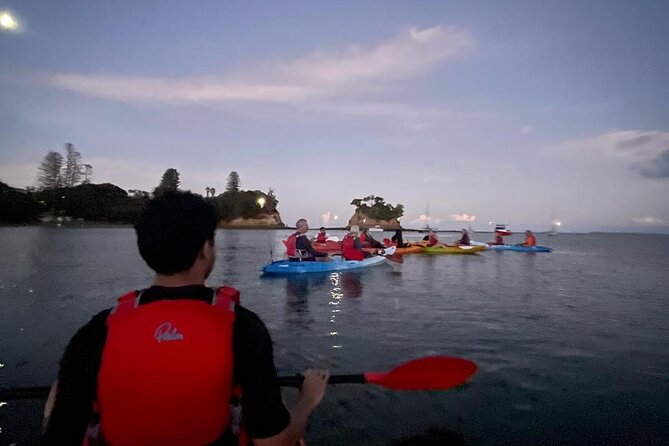
This experience depends on good weather. The tour is designed to run in conditions that keep the water manageable and safe for kayaking. If the tour is canceled due to poor weather, you’ll be offered a different date or a full refund.
That’s important because bioluminescence is already variable. Add rougher conditions and the effect becomes harder to see and harder to enjoy.
About photos: if you want to film or shoot pictures from the kayak, be realistic. People often find that capturing the effect is tricky. The glow can be weaker than what phones handle, and the movement of the kayak adds challenge.
So here’s the practical approach:
- Take a few photos for memory.
- Then relax and watch. This kind of event is better when you slow down.
You’ll also get night-sky moments. Reviews mention seeing stars, and sometimes even planets. Even if the planets aren’t visible on your night, the dark sky effect is part of the magic.
Meeting at Ascension Place: Logistics That Keep It Easy
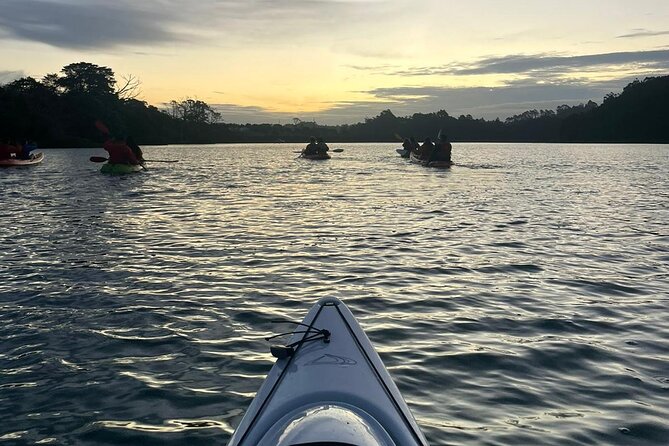
The tour meets at 2/20 Ascension Place, Rosedale and ends back at the same place. That round-trip simplicity matters because night tours can feel like a puzzle if you have to plan a complicated exit.
It’s near public transportation, and some people pair a bus to the area with an Uber back to central Auckland. If you’re staying in the city, plan for that two-part flow and don’t leave yourself short on time.
Also remember: you’re meeting for a night paddle. That means showing up with enough daylight buffer to get kitted and oriented before it fully darkens.
Who This Tour Suits Best (and Who Might Want a Different Option)
This is one of those rare activities that works well for both tourists and locals because it hits two things at once: learning a new skill and experiencing a natural nighttime effect.
You’ll likely love it if:
- You’re a first-time kayaker and want instruction without stress
- You enjoy night skies and quiet outdoor time
- You want an Auckland outing that feels like it’s outside the city
You might not love it as much if:
- You’re expecting always-on, bright glow at the level of the brightest viral images
- You need tons of photo-friendly lighting the whole time
- You’re sensitive to getting a little wet and slightly uncomfortable in a new activity
On the plus side, the guides are set up to keep you feeling safe. That’s a big deal for beginners.
Should You Book This Auckland Bioluminescence Kayak Tour?
I’d book it if you want a close-to-the-city night adventure that teaches kayaking and gives you a real shot at seeing bioluminescent plankton in the Long Bay–Okura Marine Reserve. The small group ratio (1–6), the fact that all gear and instruction are included, and the protected-water setup make it a strong value for people who don’t want to figure out everything on their own.
Skip or reconsider if your top goal is guaranteed, bright glow on demand or if you’re counting on your phone camera to capture the moment perfectly. This isn’t a theme-park light show. It’s a living ocean effect, and that’s part of what makes it special.
FAQ
How long is the bioluminescence kayak tour?
It runs for about 2 hours.
What does it cost?
The price is $73.85 per person.
Is it okay if I have never kayaked before?
Yes. The tour is designed for first-timers, with instruction included.
What’s included in the tour price?
All kayaking and safety equipment are included, along with tuition from qualified kayak guides.
Where do I meet for the tour?
The tour meets at 2/20 Ascension Place, Rosedale, Auckland 0632, New Zealand, and it ends back at the same meeting point.
What happens if the weather is poor?
This experience requires good weather. If it’s canceled due to poor weather, you’ll be offered a different date or a full refund. Free cancellation is available up to 24 hours in advance for a full refund.
More Tours Around Auckland
- Waiheke Island: Ferry & Hop-On Hop-Off Explorer Bus Tickets
★ 4.6 · 3,311 reviews - Hobbiton & Waitomo Caves Guided Day Trip from Auckland incl lunch
★ 5.0 · 2,677 reviews - From Auckland: Hobbiton & Waitomo Caves Day Trip with Lunch
★ 4.9 · 2,505 reviews - Auckland Dolphin and Whale Watching Eco-Safari Cruise
★ 4.5 · 1,790 reviews - Skydive Auckland
★ 5.0 · 1,516 reviews
Paddle the Gulf After Dark
- Auckland: Night Kayak Tour in Glowing Bioluminescent Waters
★ 4.9 · 259 reviews - Sunset kayak tour to Rangitoto Island
★ 5.0 · 168 reviews - Clearyak hire at Goat Island Marine Reserve
★ 5.0 · 80 reviews - Day sea kayak tour Rangitoto Island
★ 5.0 · 79 reviews - Auckland: Sunset & Night Sea Kayak Tour to Rangitoto Island
★ 5.0 · 60 reviews
Fresh off the boat: newer Auckland tours to browse

Sea Kayaking & Bioluminescence, compared.
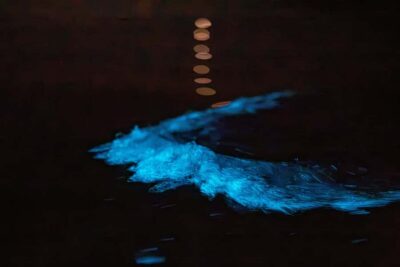 ★ 4.9Night Kayak Tour in Glowing Bioluminescent WatersFrom $56259 reviews
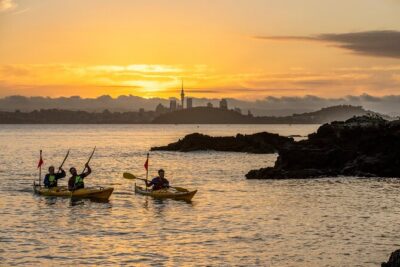 ★ 5.0Sunset kayak tour to Rangitoto IslandFrom $152168 reviews
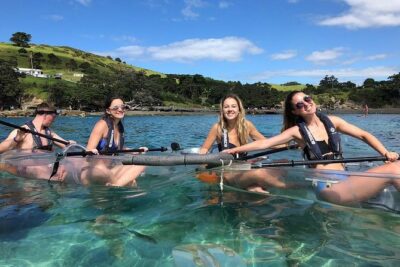 ★ 5.0Clearyak hire at Goat Island Marine ReserveFrom $17480 reviews
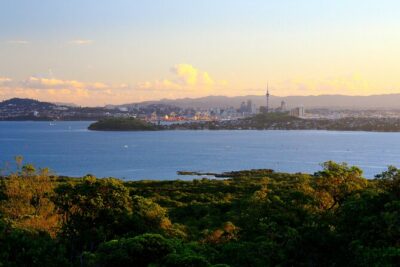 ★ 5.0Day sea kayak tour Rangitoto IslandFrom $15279 reviews
 ★ 5.0Sunset & Night Sea Kayak Tour to Rangitoto IslandFrom $13860 reviews
 ★ 4.4Bioluminescence Kayak Tour with GuideFrom $7142 reviews
 ★ 5.0Motukorea / Browns Island Sea Kayak JourneyFrom $12135 reviews
 ★ 4.8Rangitoto Island: Sea Kayak & Summit Hike Day TripFrom $14431 reviews
Browse the lists this tour appears in