
Reviewed · MāORI CULTURE & HERITAGE
Auckland Urban Māori Experience with Transportation
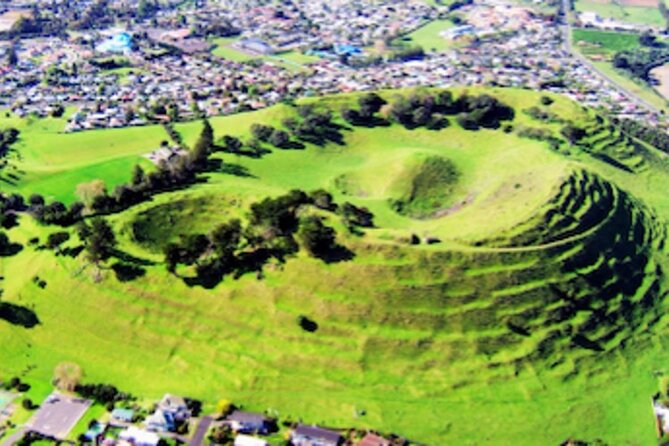
The city can tell Māori stories. This Auckland Urban Māori Experience uses a guide from the community (Ama) to connect everyday Auckland life with Māori and Pacific culture, and I like two things right away: the urban setting that makes everything feel real, and the Te Pane o Mataoho stop that turns harbour views into a personal lesson; one consideration is the light outdoor walk, so it helps to have comfortable shoes and a bit of flexibility.
You start at 8:30 am with pickup/drop-off and ride in an air-conditioned, spacious private vehicle with a professional, accredited driver. The day runs about 7 hours, and you won’t be squeezing into a packed shuttle. It’s set up as a small group cultural day, but it’s also described as private for your group, so you can ask questions without being lost in the crowd.
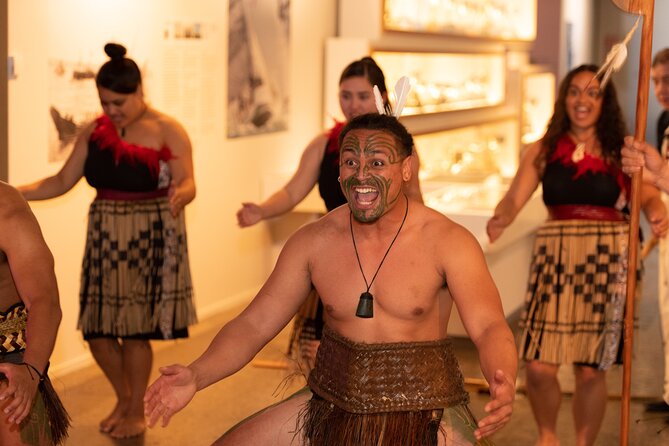
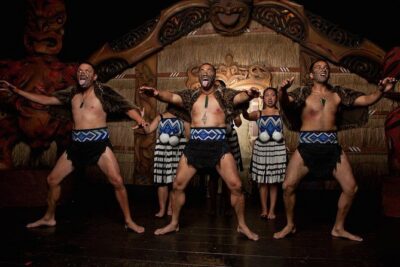
Expect Māori lunch, a haka moment, time with local artisans, and an ancient Pacific ceremony focused on connection and well-being. You’ll also get a traditional coffee start (extra food or drink there is optional), which is a practical way to settle in before you move around.
In This Review
- Key things I’d circle before you book
- Urban Māori culture in Auckland: what makes this format work
- Getting oriented at 8:30 am: pickup, comfort, and a calm start
- Te Pane o Mataoho: dormant volcano views with a personal urban story
- Traditional Māori lunch with locally sourced ingredients: what’s included and how to plan
- Haka in Auckland: power, context, and how to watch respectfully
- Supporting local artisans and taking home something with meaning
- The ancient Pacific ceremony: closing with connection and well-being
- Price and logistics: is $279.26 per person good value?
- Who should book this Auckland Urban Māori Experience—and who should think twice
- Should you book it?
- FAQ
- How long is the Auckland Urban Māori Experience?
- What is included in the tour price?
- Does the tour include pickup and drop-off?
- What time does the tour start?
- Is lunch included, and can I request a dietary option?
- What is the cancellation window?
Key things I’d circle before you book
- Te Pane o Mataoho dormant volcano views paired with a personal, family-linked story
- Ama’s community connection and patient explanations of urbanization in Auckland
- Traditional Māori lunch with locally sourced ingredients (dietary needs welcome)
- Haka performance as a powerful, structured cultural moment
- Artisan stop time to support local makers and buy unique treasures
- Private, air-conditioned transportation with pickup and drop-off built in
Urban Māori culture in Auckland: what makes this format work
Auckland is often pictured as beaches and city traffic. This tour leans the other way. You get Māori and Pacific culture tied to places you can actually point at in the city, instead of only hearing about culture from far-away history books.
What I like most about this setup is the way it reframes urban life. You’re not just watching culture as a show. You’re getting a view of how Māori communities shaped land and community life where Auckland grew, and why those stories matter right now. In other words, you’re learning how culture fits into everyday city spaces.
It also helps that the guide is part of the Māori community. Ama is named as the guide in the reviews, and the tone described is kind, attentive, and grounded in real connection. When the person leading you has a personal stake, the stops don’t feel like a script.
The day is also structured around clear “blocks” of experience: a morning orientation start, a landmark with a story, food, performance, local people and making, then a closing ceremony. That pacing matters because you’ll be moving through a few different types of moments—learning, walking, eating, and ceremony—and you don’t want those to feel chaotic.
More Māori culture and heritage around Auckland
- Auckland: All Blacks Experience Guided Cultural Tour
★ 4.7 · 453 reviews - All Blacks Experience: Interactive Guided Cultural Tour
★ 4.5 · 228 reviews - Māori Cultural Experience & Auckland Museum General Admission
★ 4.5 · 92 reviews - Māori Cultural Experience & Auckland Museum Admission
★ 4.5 · 59 reviews
Getting oriented at 8:30 am: pickup, comfort, and a calm start
The tour starts at 8:30 am, which is early enough to beat some of Auckland’s busier morning timing. You’re offered pickup and drop-off, and the vehicle is described as spacious and air-conditioned. That’s a real quality-of-life factor, especially on a full-day schedule.
There’s also a mobile ticket, which usually means less fuss at the start time. Add in the fact that the meeting point is near public transportation, and you’ve got options if you’re coming in on your own.
Before the main sights, you’ll start with a local coffee stop. The tour notes that extra food or drink there is optional, not included. This is a small detail, but it’s useful for planning: you can keep it simple with a drink, or grab something extra if you know you’ll need it before lunch.
This is the kind of morning flow I prefer for culture days. Coffee first, then you’re mentally switched on, not just hurried out the door trying to figure out logistics while your brain is still on vacation mode.
Te Pane o Mataoho: dormant volcano views with a personal urban story
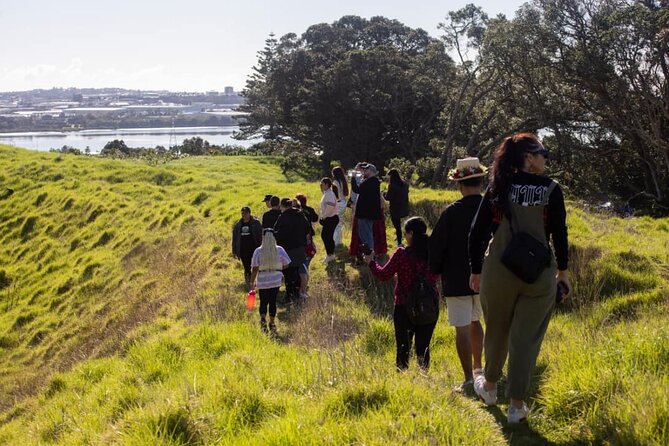
Te Pane o Mataoho is the standout location on the itinerary, and for good reason. It’s a dormant volcano with harbour views, which means you’re not just learning from a talking head in a van—you’re standing in a place that still looks like a landmark.
The tour also promises a personal history lesson from a local descendant. That matters because Māori history in Auckland isn’t only “old times.” It’s about relationships to land, memory, and belonging, and those relationships continue even as the city expands. The guide framing is part of why this stop feels more specific than a general “here’s what volcanoes are” moment.
For you, the practical value is simple: you’ll get a clear view of how place shapes story. When you can see the harbour, you understand why the land and the sea are tied together in the way communities live and remember.
One caution: there’s a light outdoor walk mentioned in the tour info. That doesn’t sound like a long hike, but it does mean you should dress for walking and stand-up time. Wear shoes with grip, and bring a layer for morning-to-day temperature changes.
Traditional Māori lunch with locally sourced ingredients: what’s included and how to plan
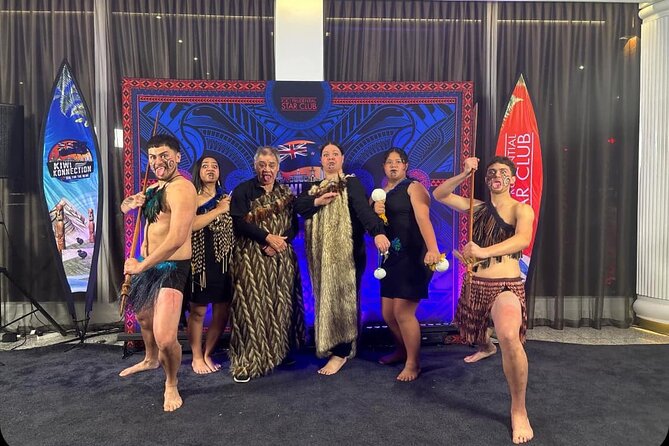
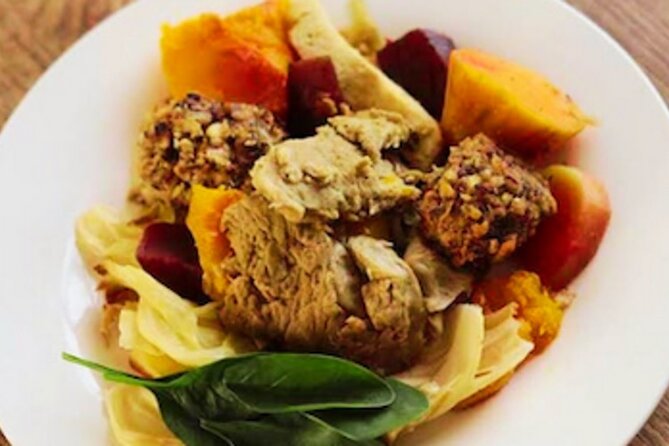
Lunch is included, and it’s described as a traditional Māori cuisine meal using locally sourced ingredients. That wording is helpful, because it signals you’re not just getting a generic “tour lunch.” You’re getting food connected to the cultural and local context of the day.
If you’ve got dietary requirements, you’re asked to inform the provider. That means the tour is set up with flexibility in mind, but you should still flag it when you book so there’s time to plan.
Here’s how I’d handle lunch day-of: arrive hungry, but not stressed. You’ve had coffee as an optional extra, and then lunch becomes your main reset before the haka and the rest of the cultural program. Eating well also makes the quieter reflective parts of the closing ceremony easier to enjoy without feeling wiped out.
Also, since admission and entrance fees are included, lunch is one of the few “known costs” that won’t surprise you later in the day. The included meal is a big part of why the price can feel less steep than a ticket-only experience.

Haka in Auckland: power, context, and how to watch respectfully
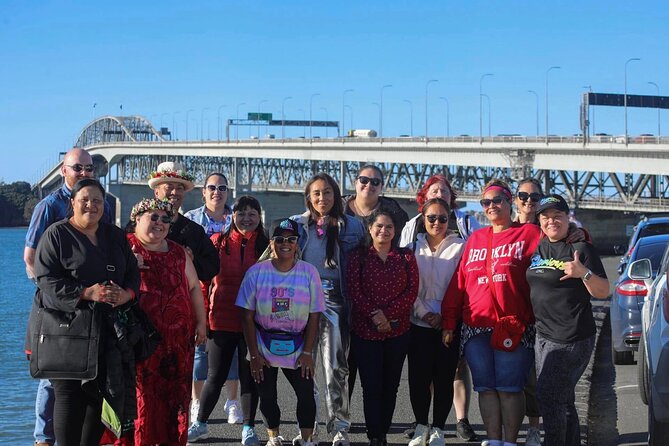
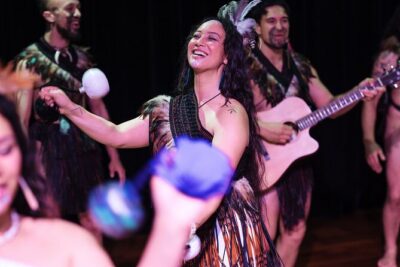
The itinerary includes witnessing the haka, and this is usually the part of the day people remember most. A haka isn’t just rhythm. It’s a cultural statement, delivered with purpose and intensity, and the way it’s presented matters.
What makes this tour’s approach feel more grounded is that it doesn’t treat performance as a standalone event. It’s placed in the middle of a day that includes place-based story (Te Pane o Mataoho), food, and community support (artisans). That sequence helps you understand the haka as part of a wider cultural continuum, not a random highlight slapped on at the end.
In practical terms, you’ll want to be ready for a moment that feels physical and emotional, even if you don’t speak the language. Bring a respectful attitude and plan to watch carefully. If you’re the type who likes to understand before you judge, this structure will suit you.
The tour also promises hands-on experiences throughout the day. Even if a specific “hands-on” activity varies by day, the intention is clear: you’re not only observing. You’re participating in the learning through guided interaction.
Supporting local artisans and taking home something with meaning
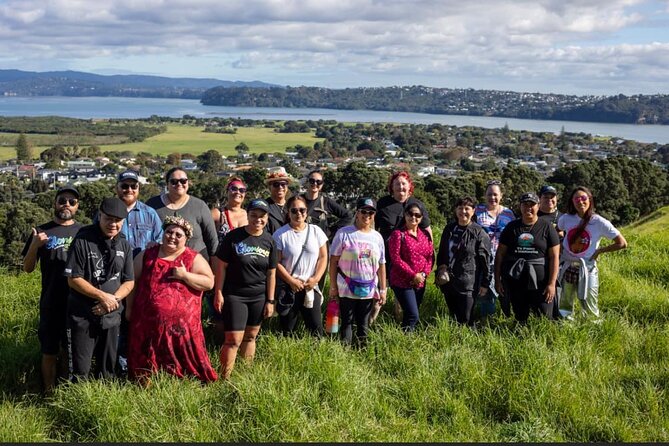
After the main cultural moments, you’ll support local artisans and look for unique treasures. This is one of those “nice to have” parts of the day that can also become a practical souvenir strategy.
Instead of buying something random because it’s cute, you’re buying because it ties to a community you just met and a culture you spent hours learning about. The tour’s goal is not just commerce—it’s supporting local initiative and indigenous businesses, which comes through in the way the artisans portion is described.
For you, this is where I’d slow down. Ask what the item is made from, who makes it, and what it represents in Māori and Pacific culture. Even simple questions help turn a purchase into a story you can tell later.
It’s also worth setting a small budget in your head before you arrive, since “unique treasures” can range from small items to bigger purchases. Since the coffee stop has optional extra food or drink, treat that as your main “extra” spending window until the artisan segment.
The ancient Pacific ceremony: closing with connection and well-being
The tour ends with an ancient Pacific ceremony promoting connection and well-being. That’s a meaningful closing choice for a full-day experience because it shifts the tone from external learning to internal reflection.
Even without details on the exact format, the stated focus is connection and well-being. In practice, that usually means you’re guided through something that feels communal—centred on respect, gratitude, and shared presence.
This is the kind of ending I appreciate because it gives you a way to process what you just learned. The day covers powerful moments like haka and reflective lessons tied to land and urbanization. A closing ceremony gives structure to that emotional arc.
If you tend to get tired near the end of tours, plan for a calmer final phase. Wear comfortable layers. Keep your phone on silent. And don’t rush out right after it ends—you’ll miss the chance to settle into that “done and understood” feeling.
Price and logistics: is $279.26 per person good value?
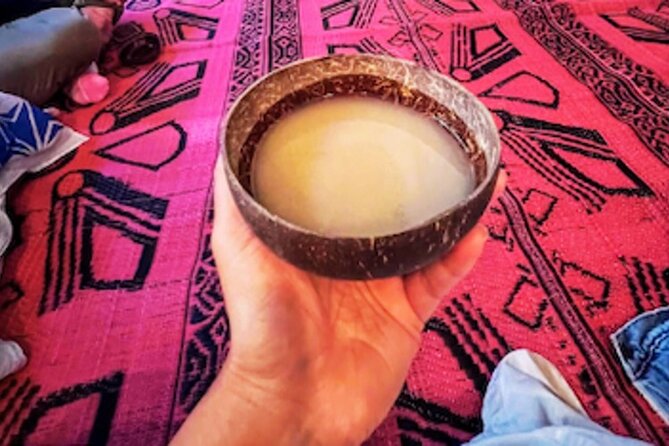
At $279.26 per person for an approximately 7-hour tour, you’re not paying just for a seat and a quick visit. You’re paying for a day that includes:
- Traditional Māori lunch
- Private transportation with pickup and drop-off
- Admission fees and entrance fees to the included activities
When you break it down this way, the price makes more sense. Lunch and transport alone can add up fast in cities like Auckland, and admission/entrance fees tend to be the quiet cost that makes some tours feel overpriced when you compare them on paper. Here, the included fees reduce that sticker-shock feeling.
Another value point is guide-led teaching. Ama’s explanations are highlighted in the reviews as detailed and well paced, and the day’s theme is urban Māori life in Auckland, not just general sightseeing. For a cultural tour, having an accredited, professional setup plus community-specific storytelling is a big part of what you’re actually buying.
One more practical note: the tour is described as booked on average about 60 days in advance. If you’re traveling in peak season, it’s smart to lock it in early rather than waiting for the last minute.
Who should book this Auckland Urban Māori Experience—and who should think twice
This tour fits best if you want culture tied to real city places. If you’ve visited Māori communities in more rural settings and want a different perspective, Auckland’s urban story can feel like the missing chapter. The idea is that you’ll understand how Māori and Pacific communities shape city life, not only how they preserve traditions in isolated places.
It’s also a good fit if you enjoy structured days with clear stops. You start with coffee, then a landmark with story, then lunch, haka, artisan support, and a closing ceremony. That flow keeps the day from turning into random wandering.
You should think twice if you have limited mobility, because the tour info says it’s not recommended for travellers with limited mobility due to a light outdoor walk. It may not be a strenuous hike, but it still includes walking outdoors. If that could be an issue for you, look for a different tour that stays fully seated or has minimal walking.
If you’re the kind of person who gets value from questions, this tour also makes sense. The guidance described in the reviews sounds attentive and comfortable, so you’ll likely feel at ease asking what things mean.
Should you book it?
Book this Auckland Urban Māori Experience if you want a day that explains Māori and Pacific culture in the context of Auckland itself. I’d especially recommend it if you care about meaningful guiding—Ama’s community connection and patient explanations show up as major strengths in the reviews.
Skip it only if the light outdoor walk is a dealbreaker for you, or if you’re looking for a purely sightseeing day with no ceremony or performance. This is a cultural program first, with city views as part of the teaching.
If you want a respectful, guided way to understand urban Māori life—plus lunch, haka, artisan support, and a thoughtful closing—this is the kind of tour that tends to leave people feeling like they learned something they can’t get from a bus window.
FAQ
How long is the Auckland Urban Māori Experience?
It runs for about 7 hours.
What is included in the tour price?
The price includes traditional Māori lunch, private transportation with pickup and drop-off, and admission/entrance fees to all activities.
Does the tour include pickup and drop-off?
Yes. Pickup offered is listed, and private transportation includes drop-off and pick-up transfers.
What time does the tour start?
The start time is 8:30 am.
Is lunch included, and can I request a dietary option?
Yes, lunch is included. You should inform the provider of any dietary requirements when booking.
What is the cancellation window?
You can cancel for free up to 24 hours in advance of the experience start time for a full refund. If you cancel less than 24 hours before, the amount paid is not refunded.
More Tours Around Auckland
- Waiheke Island: Ferry & Hop-On Hop-Off Explorer Bus Tickets
★ 4.6 · 3,311 reviews - Hobbiton & Waitomo Caves Guided Day Trip from Auckland incl lunch
★ 5.0 · 2,677 reviews - From Auckland: Hobbiton & Waitomo Caves Day Trip with Lunch
★ 4.9 · 2,505 reviews - Auckland Dolphin and Whale Watching Eco-Safari Cruise
★ 4.5 · 1,790 reviews - Skydive Auckland
★ 5.0 · 1,516 reviews
Māori Culture, First-Hand
- Auckland: All Blacks Experience Guided Cultural Tour
★ 4.7 · 453 reviews - All Blacks Experience: Interactive Guided Cultural Tour
★ 4.5 · 228 reviews - Māori Cultural Experience & Auckland Museum General Admission
★ 4.5 · 92 reviews - Māori Cultural Experience & Auckland Museum Admission
★ 4.5 · 59 reviews - Auckland Maori Tour
★ 5.0 · 47 reviews
Fresh off the boat: newer Auckland tours to browse





Māori Culture & Heritage, compared.
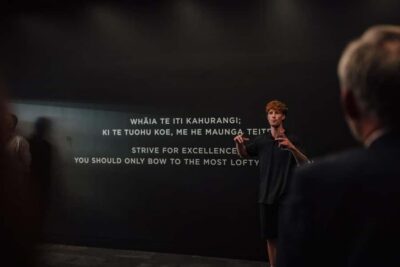 ★ 4.7All Blacks Experience Guided Cultural TourFrom $41453 reviews
 ★ 4.5All Blacks Experience: Interactive Guided Cultural TourFrom $42228 reviews
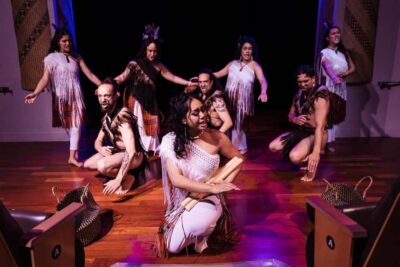
 ★ 4.5Māori Cultural Experience & Auckland Museum General AdmissionFrom $3892 reviews
 ★ 4.5Māori Cultural Experience & Auckland Museum AdmissionFrom $3759 reviews
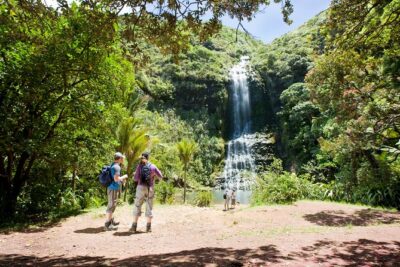 ★ 5.0Auckland Maori TourFrom $30747 reviews
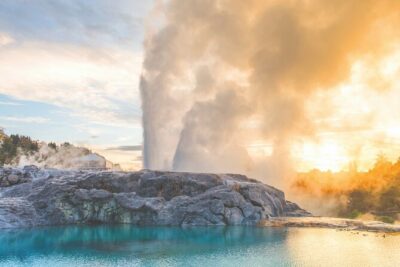 ★ 5.0Rotorua Tour with Waiotapu, Te Puia and Maori HakaFrom $24547 reviews
 ★ 4.3AKL: Te Puia Maori Haka, Kiwi Birds, Redwood & Blue SpringsFrom $22616 reviews
 ★ 5.0Auckland Māori Culture Experience – Private TourFrom $36913 reviews
Browse the lists this tour appears in