
Reviewed · HARBOUR CRUISES & SAILING TRIPS
Auckland: Whale and Dolphin Watching Half-Day Eco Cruise
If you want Auckland’s ocean side in one shot, this is it. This half-day eco cruise runs straight out of the city to the Hauraki Gulf Marine Park, where your best chance at seeing dolphins, whales, and orca comes with real science and a crew that cares how close you get.
I especially like the Dolphin Explorer setup: a 65-foot luxury catamaran that keeps sightlines strong, and lets you watch animals up close when conditions allow. I also love the human side, with guides such as Emily, Sanaa, John, and Joseph (and other crew members like Toni, George, Brittany, and Jo) mixing calm safety with lively marine research talk.
One thing to consider is that wildlife watching is still wildlife watching. Some trips are dolphin-heavy, some include whales, and some days are light on mammals—though the cruise offers a second trip if you don’t see marine mammals.
In This Review
- Key highlights
- Hauraki Gulf Marine Park, But Make It Easy
- Getting Real Up-Close Views From the Dolphin Explorer
- From Eastern Viaduct Marina to the City Sights You’ll Actually Remember
- Your Wildlife Hunt in the Hauraki Gulf: What You Can See
- The Science Part Isn’t Costume Talk
- Ethical Whale and Dolphin Watching: Getting Close Without Harming
- Weather, Sea Conditions, and What to Wear So You Enjoy It
- Conservation Value You Can Feel in Your Wallet
- Price and Value: Is $130 a Fair Deal?
- Who Should Book, and Who Might Want Another Option
- Should You Book This Eco Cruise?
- FAQ
- How long is the eco cruise?
- What animals are you looking for during the trip?
- What happens if I don’t see any marine mammals?
- Where does the cruise depart from?
- Is food included in the price?
- Is this cruise wheelchair accessible?
Key highlights
- 65-foot luxury catamaran built for good viewing off the edges, not just sitting and hoping
- Hauraki Gulf Marine Park access from the heart of Auckland, including city landmarks like Rangitoto Island
- Extra viewing time if conditions allow, plus a second cruise free if no marine mammals are spotted
- Onboard marine research moments, including plankton-related science stops
- Ethical distance rules and expert guidance so you can enjoy sightings without stressing wildlife
- Conservation support via the Hauraki Gulf Guardians fund (a $1 donation per ticket)
Hauraki Gulf Marine Park, But Make It Easy
Auckland’s water can be the best “add-on” day of your whole trip, and this cruise is one of the most straightforward ways to get there. You’re not schlepping to a remote coast for a half-day. You’re departing from the center of town, heading into the Hauraki Gulf Marine Park, and getting expert eyes on the water quickly.
The value here is how much you pack into 270 minutes. You’re getting both the view and the wildlife hunt: Rangitoto Island and the skyline from the water early on, then the more serious search once you’re out in the gulf. It’s a great match if you only have a day or two in Auckland and don’t want to gamble with a full day.
More time on the Waitematā: other Auckland cruises and sails
- Auckland: Whale and Dolphin Watching Half-Day Eco Cruise
★ 4.5 · 1,072 reviews - Auckland Harbour Sailboat Cruise Including Three Course Dinner
★ 4.5 · 476 reviews - America’s Cup 2-Hour Sailing Experience Waitemata Harbour
★ 4.8 · 370 reviews - Auckland: Scenic Harbour Sightseeing Cruise
★ 4.5 · 369 reviews
Getting Real Up-Close Views From the Dolphin Explorer
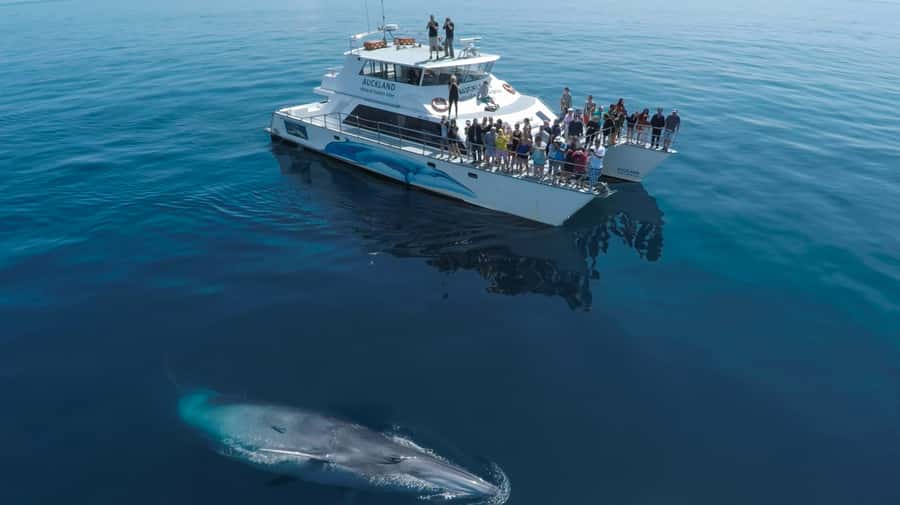
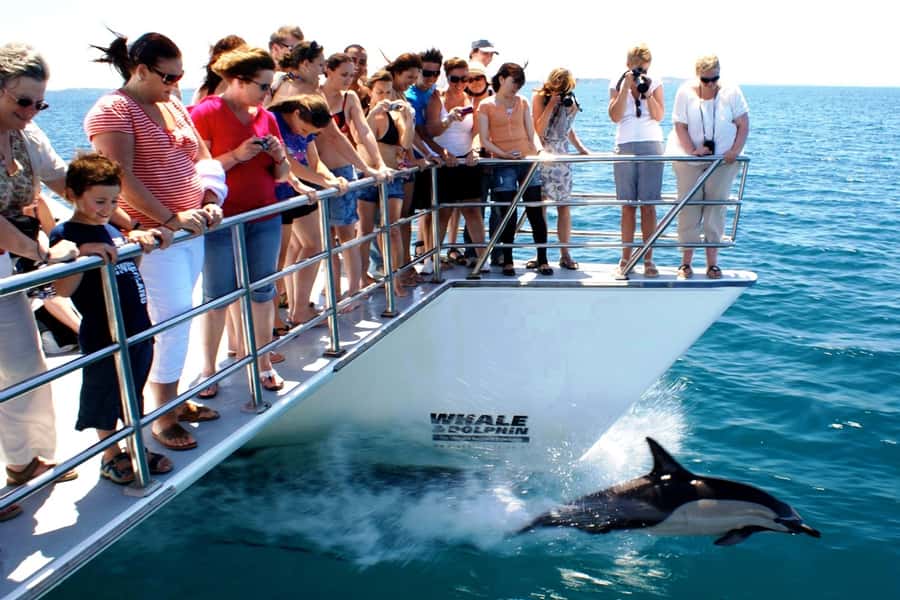
This isn’t a cramped launch. The boat is a 65-foot luxury catamaran, and the way it’s set up matters because your chance of seeing animals depends on positioning. From reviews and the operating style, the crew clearly watches for where animals surface, then keeps people in the right spots to see without crowding.
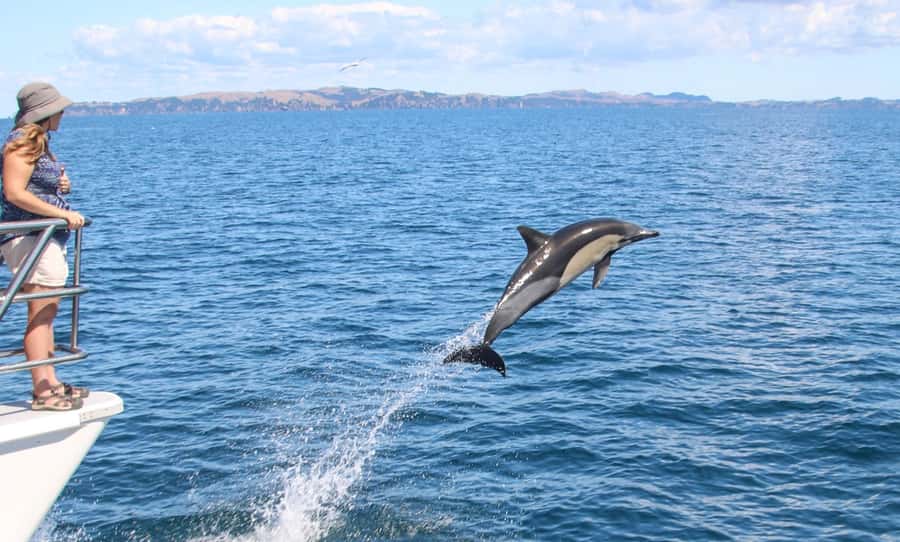
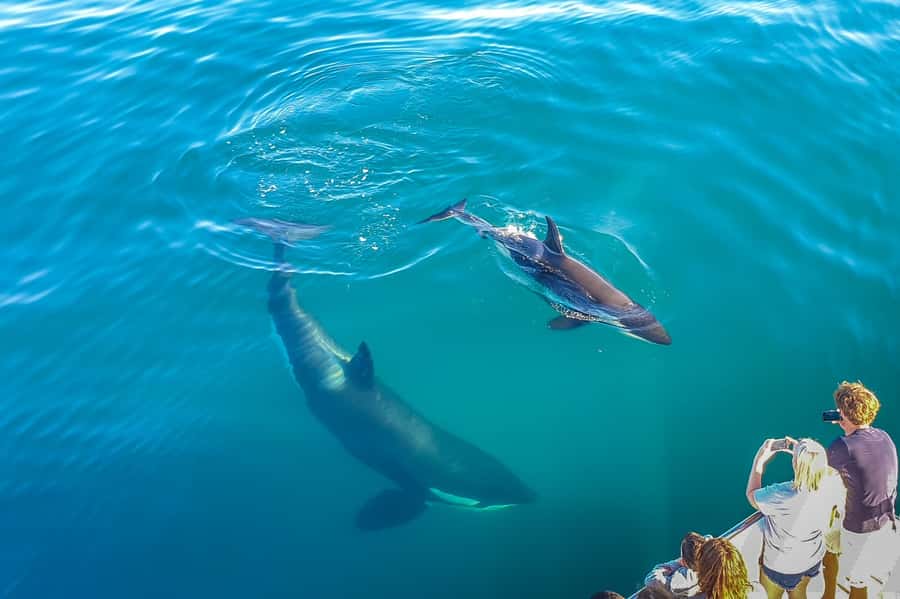
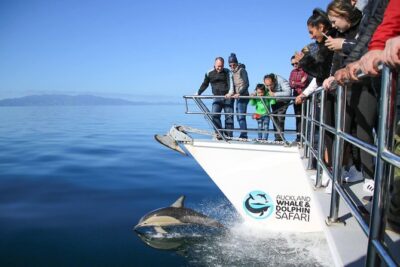
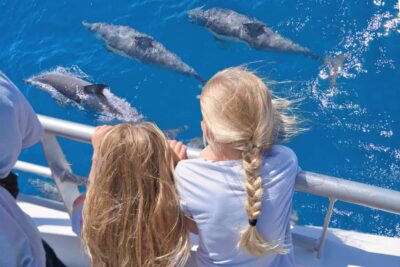
A detail I’d bet on: when dolphins are around, you may get long, satisfying looks—sometimes with pods playing near the boat. People also mention dolphins swimming close to the vessel, even underneath it. That kind of sighting is usually about two things: the search skills of the crew and the boat’s ability to work in those waters safely.
Comfort-wise, it helps that the boat isn’t described as a giant cattle-car. More than once, I’m seeing comments about enough seating and space to see over the edges. Still, it’s a boat, so you should plan like a sea-day: secure your camera gear, wear layers, and be ready for wind on open water.
From Eastern Viaduct Marina to the City Sights You’ll Actually Remember
Your starting point is Berth 9, Eastern Viaduct Marina, accessed from the end of Quay Street heading west, right opposite the Maritime Museum. If you like arriving with minimal stress, aim to check in 30 minutes before departure, because boarding check-in closes 15 minutes prior.
Right after departure, you’ll cruise past famous Auckland anchors—North Head/Devonport and Rangitoto Island are specifically mentioned. This part is more than filler. It’s how you get the “Auckland from the water” payoff without paying extra time for sightseeing tours later.
If you’re the type who likes to understand where you’re going, keep an eye out as the skipper and guides orient you. People consistently mention commentary that ties geography to marine life, so you’re not just watching the coast blur by.
Your Wildlife Hunt in the Hauraki Gulf: What You Can See
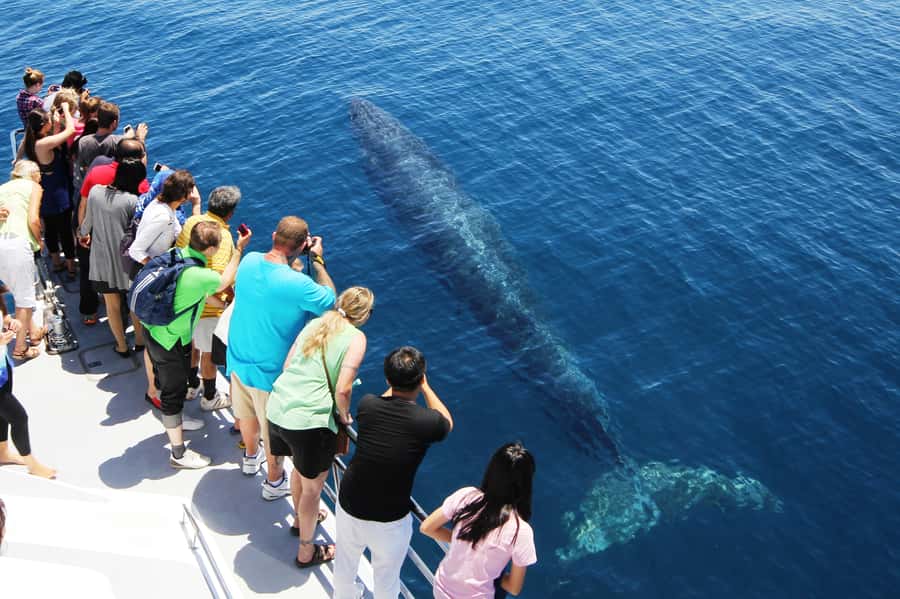
This cruise is designed around the marine mammals that show up near the city. The operation specifically expects sightings of orcas and bottlenose dolphins in Hauraki Gulf waters, and then you’ll also be on the lookout for whales and sea birds once you’re in the marine park.
Here’s what’s realistic based on what people report:
- Dolphins are the most consistent highlight—often in pods, sometimes very active and close to the boat.
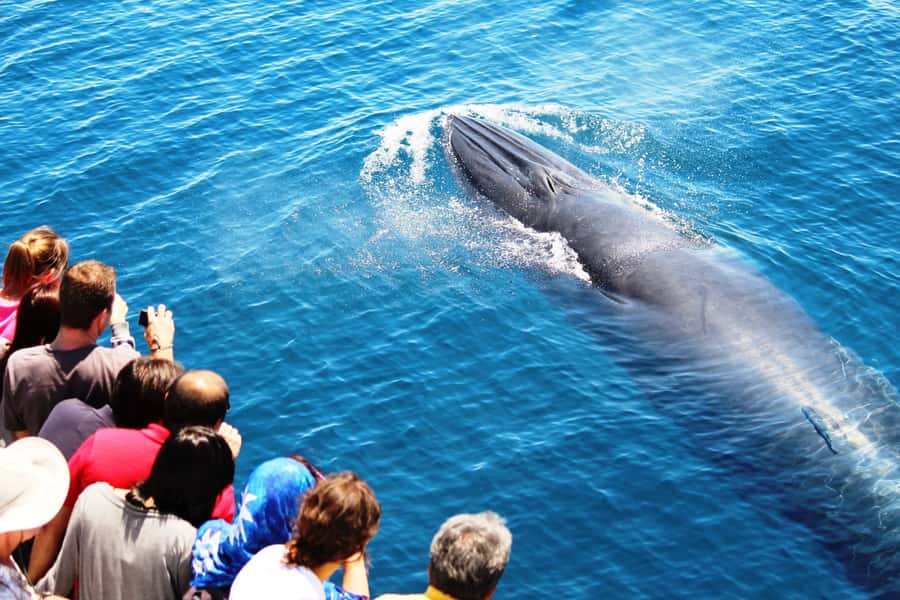
- Whales are possible, but not guaranteed on any given day. People have reported whales in different forms and distances, including Bryde’s whales.
- Seabirds can steal the show. Commonly mentioned are gannets, plus sightings of blue penguins and shearwaters.
- Sharks are occasional but real. Some outings include sightings like hammerhead or other shark species from a distance.
A practical takeaway: if your only goal is a specific whale species, you’re still gambling. But if you’re flexible and excited by a mix of mammals and birds, your odds improve a lot. Even when whales don’t show up, people often end up with long dolphin sessions and bird action.
More chances to spot the pods off Auckland
The Science Part Isn’t Costume Talk
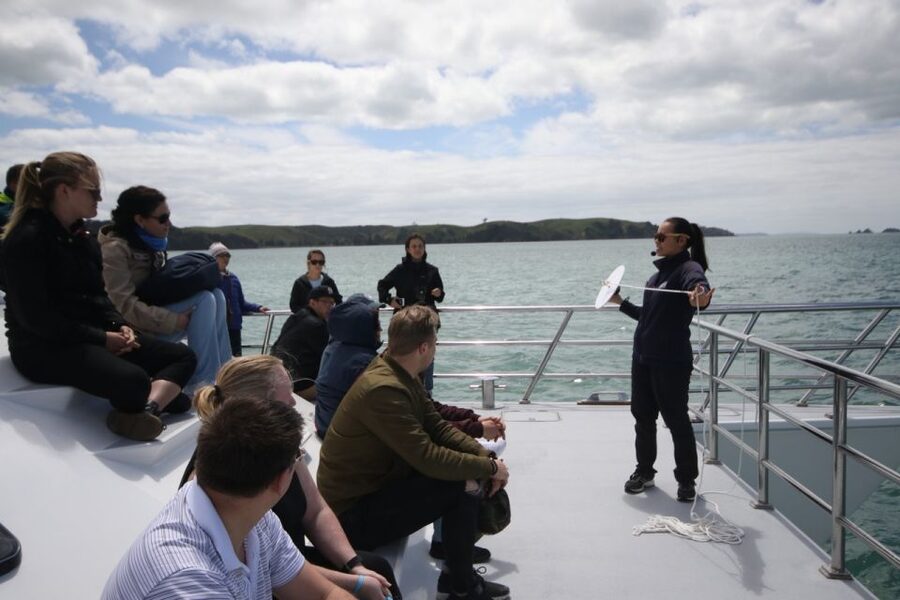
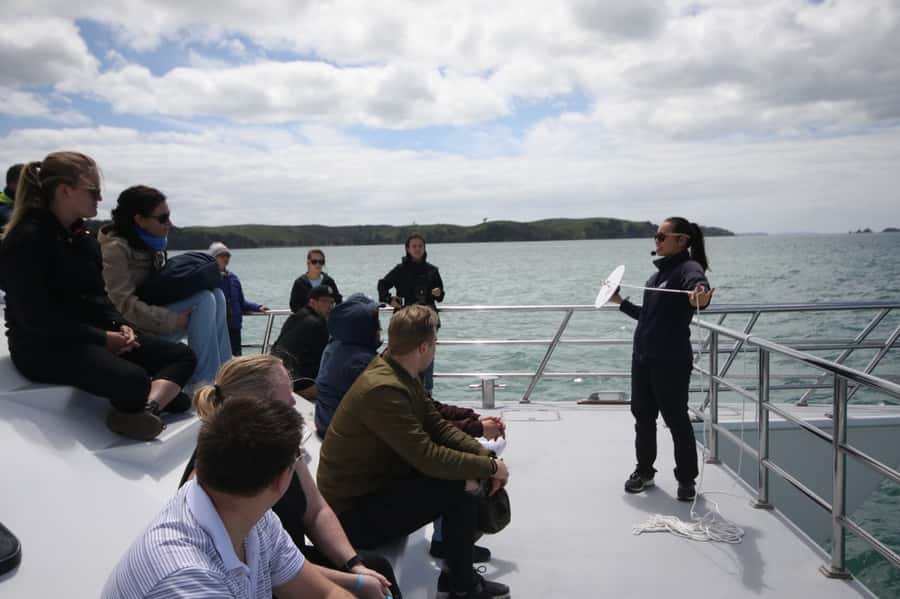
One reason I’d pick this over a basic whale boat is the science layer. The guides and crew don’t just point at animals and name them. You get expert commentary and interaction with marine research scientists.
You’ll also hear how the team finds animals. In the field, that often means reading water activity and learning animal behavior patterns. One review mentions they track marine mammals by following workups—those surface behaviors that can hint at what’s happening underwater.
There’s also a plankton-related science component mentioned in reviews, including sample collection. That sounds small, but it matters. Plankton sits at the base of the food web, and it’s tied to why different fish and bigger predators show up where they do. So when you’re out there watching dolphins and birds, the science talk gives you context for why the animals are around that day.
And yes, the crew’s energy comes through. People name specific staff members—Emily, Sanaa, John, Joseph, Toni, Brittany, George, and Jo—because the experience often feels like a team effort, not just a script.
Ethical Whale and Dolphin Watching: Getting Close Without Harming
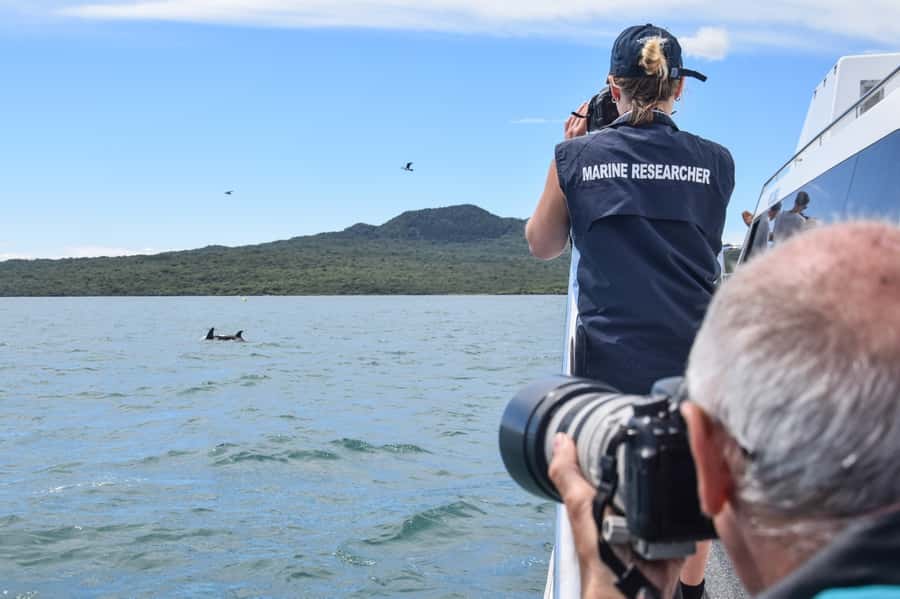
The biggest trust issue with wildlife cruises is how they behave when animals appear. Here, the focus is on respect and safety, with commentary that highlights keeping distance and following responsible viewing practices.
A few reviews make that point clearly: animals are watched without being pushed, and the crew seems professional about maintaining appropriate separation while still giving people time to look. In practice, that means:
- you get time to watch the animals’ behavior
- you’re not rushing through sightings
- the crew uses a planned approach rather than chaotic crowd behavior
This is also where the catamaran’s size and handling likely help. The cruise is described as able to get much closer than whale operations in other locations, but the operation also emphasizes ethics. That combination is the sweet spot.
Weather, Sea Conditions, and What to Wear So You Enjoy It
On the water, weather changes everything. The operator reserves the right to cancel trips due to wind, weather, or sea conditions, and there’s also evidence of refund or rebooking when warnings hit.
What you control: dressing for the reality of a sea trip. Bring:
- warm clothes
- a showerproof jacket
- a sun hat and sunscreen
- your camera and binoculars (binoculars are genuinely useful for seabirds)
Also plan for motion. Sea-sickness medication is recommended and should be taken prior to the trip, not after you’re already feeling bad. If you’re sensitive to wind, lean toward layers you can adjust quickly.
One more practical note: the trip lasts about 4.5 hours, and you’ll be out on open water. Even if Auckland looks calm at departure, it can get breezy farther out. Pack like it’s going to be cool, even in sun.
Conservation Value You Can Feel in Your Wallet
This is where the eco part becomes more than wording. A dollar from every ticket supports the Hauraki Gulf Guardians fund, aimed at regenerating and protecting the marine environment.
You’re paying for:
- access to wildlife-rich waters
- a professional research-minded crew
- time on the water when animals are most likely to show
So rather than thinking of this as a “donation on top,” think of it as your ticket helping fund the kind of science that keeps these sightings possible in the long run.
Also, the onboard science moments are consistent with that mission. When you see a science stop for plankton sampling and hear why it matters, it changes how you view the cruise. You’re not just consuming wildlife. You’re learning how the system works.
Price and Value: Is $130 a Fair Deal?
At $130 per person for 270 minutes, it’s not a bargain-basement activity. But it can be good value for three reasons.
First, you’re getting a city-center departure with a full half-day at sea. Many Auckland experiences either cost more for longer transport time or deliver less time on the water.
Second, there’s a key safety net: a second cruise if you don’t see any marine mammals. That reduces the biggest risk in whale/dolphin watching. You’re not paying $130 for a single roll of the dice.
Third, part of what you pay funds conservation and research. If you’re the type who likes to spend on experiences that don’t just disappear after the photo, that matters.
What you should watch: food and drinks are not included, though snacks and hot food are available to purchase onboard, along with beer and wine. If you plan to eat, budget a little extra.
Who Should Book, and Who Might Want Another Option
This is a strong choice for:
- people who want a half-day activity that feels like a real ocean outing
- anyone excited by dolphins, whales, and seabirds
- visitors who like explanations and science context while still being outdoors
- short-stay Auckland plans, because it starts in the center and returns the same day
It may not be the best fit if:
- you can’t handle boats or rougher motion (wind can be part of the deal)
- you’re heavily pregnant (not suitable per the operator)
- you need wheelchair access (the vessel is not wheelchair accessible due to stairs and narrow doorways)
- you’re traveling with small kids without close supervision (unaccompanied minors aren’t allowed, and children under 5 only if supervised)
- you’re expecting guaranteed whales (some days are mostly dolphins and birds)
Should You Book This Eco Cruise?
I’d book this if you want the most efficient way to experience Auckland’s marine world. The biggest reasons are the strong odds of dolphin sightings, the chance to see whales and seabirds when conditions cooperate, and the fact that the crew brings research talk into the experience rather than treating it like a checklist.
If you’re the style of traveler who hates “pay and pray,” look at the included second cruise option and the operator’s willingness to adjust for conditions. That’s real reassurance in a category where nature decides the script.
On balance: if you’re in Auckland with a half-day free and you want animals plus science plus city views from the water, this is a smart booking.
FAQ
How long is the eco cruise?
The cruise runs for about 270 minutes (roughly 4.5 hours).
What animals are you looking for during the trip?
You’re primarily watching for orcas and bottlenose dolphins, and you may also spot whales and sea birds while exploring the Hauraki Gulf Marine Park. Sharks have also been seen on some outings.
What happens if I don’t see any marine mammals?
If you don’t see any marine mammals, you can take a second cruise for free.
Where does the cruise depart from?
The boat leaves from Berth 9 at Eastern Viaduct Marina, opposite the Maritime Museum.
Is food included in the price?
No. Food and drinks are available to purchase onboard, including snacks and hot food, plus beer and wine.
Is this cruise wheelchair accessible?
No. The vessel is not wheelchair accessible due to stairs and narrow doorways.
More Tours Around Auckland
- Waiheke Island: Ferry & Hop-On Hop-Off Explorer Bus Tickets
★ 4.6 · 3,311 reviews - Hobbiton & Waitomo Caves Guided Day Trip from Auckland incl lunch
★ 5.0 · 2,677 reviews - From Auckland: Hobbiton & Waitomo Caves Day Trip with Lunch
★ 4.9 · 2,505 reviews - Auckland Dolphin and Whale Watching Eco-Safari Cruise
★ 4.5 · 1,790 reviews - Skydive Auckland
★ 5.0 · 1,516 reviews
Whales, Dolphins and the Gulf
- Auckland Dolphin and Whale Watching Eco-Safari Cruise
★ 4.5 · 1,790 reviews - Auckland: Tikapa Moana Whales, Dolphins and Islands Cruise
★ 3.9 · 292 reviews - Auckland: Tikapa Moana Dolphin, Whale and Island Cruise
★ 4.0 · 17 reviews - Auckland: Bay of Islands Day Tour with Dolphin Cruise
★ 5.0 · 11 reviews
Out on the Waitematā
- Auckland Dolphin and Whale Watching Eco-Safari Cruise
★ 4.5 · 1,790 reviews - Auckland Harbour Sailboat Cruise Including Three Course Dinner
★ 4.5 · 476 reviews - America’s Cup 2-Hour Sailing Experience Waitemata Harbour
★ 4.8 · 370 reviews - Auckland: Scenic Harbour Sightseeing Cruise
★ 4.5 · 369 reviews - Auckland: Harbour Sailing Cruise with 3-Course Dinner
★ 4.5 · 319 reviews
Fresh off the boat: newer Auckland tours to browse


Harbour Cruises & Sailing Trips, compared.
 ★ 4.5Auckland Dolphin and Whale Watching Eco-Safari CruiseFrom $1351,790 reviews
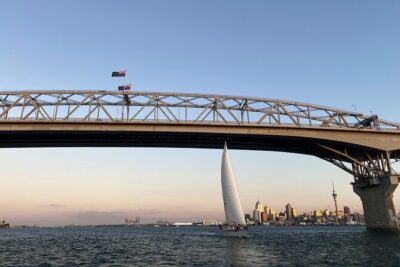 ★ 4.5Auckland Harbour Sailboat Cruise Including Three Course DinnerFrom $105476 reviews
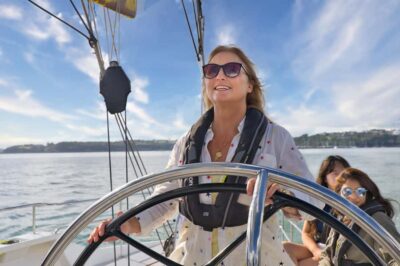 ★ 4.8America’s Cup 2-Hour Sailing Experience Waitemata HarbourFrom $125370 reviews
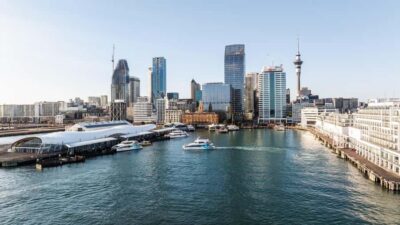 ★ 4.5Scenic Harbour Sightseeing CruiseFrom $35369 reviews
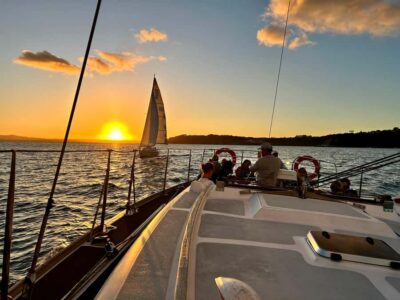 ★ 4.5Harbour Sailing Cruise with 3-Course DinnerFrom $95319 reviews
 ★ 4.7Auckland Harbour 1.5-Hour Sailing CruiseFrom $65301 reviews
 ★ 4.5America’s Cup Sailing on Auckland’s Waitemata HarbourFrom $130298 reviews
 ★ 3.9Tikapa Moana Whales, Dolphins and Islands CruiseFrom $92292 reviews
Browse the lists this tour appears in