
Reviewed · HARBOUR CRUISES & SAILING TRIPS
Auckland: Tikapa Moana Dolphin, Whale and Island Cruise
Auckland’s dolphins are worth the trip. This cruise is built for wildlife viewing with big picture windows, roomy decks, and live commentary on the marine park and local Ngāi Tai ki Tāmaki stories. I like that you’re not just riding around hoping for the best: there’s a marine mammal viewing guarantee that offers a return cruise if you don’t spot marine mammals. One consideration: sightings depend on conditions, so you should plan this as an outdoors day where weather and wildlife timing still rule.
I also like the structure of the day. You start from the Viaduct area, cruise the Hauraki Gulf in search of whales, dolphins, seals, and birdlife, then you get a proper Waiheke Island stop—either active nature time on Rotoroa Island or a more relaxed beach-and-winery break at Man O’ War Vineyards. The schedule is also flexible in summer, with different departure/return times depending on the day.
If you want a “set it and forget it” sightseeing day with guaranteed sea life, this might test your patience. But if you’re the type who enjoys watching for movement, scanning for fins, and soaking up the coastline and island scenery from the water, it’s a very solid use of a half-day-to-full-day block in Auckland.
In This Review
- Key things I’d focus on before you book
- Auckland’s Hauraki Gulf cruise: why this ride feels different
- Price and what you really get for $105.50
- How the 7 hours 45 minutes play out: from Viaduct to Waiheke
- Stop 1: Hauraki Gulf Marine Park (your wildlife search zone)
- Stop 2: Rotoroa Island or Stop 3: Man O’ War Vineyards (Waiheke break)
- Stop 4: the Waiheke return portion
- Stop 1 Hauraki Gulf: your best shot at whales, dolphins, seals, and birds
- Waiheke Island options: Rotoroa walks vs Man O’ War beach and cellar door
- Rotoroa Island: for walking, photos, and sandy breaks
- Man O’ War Vineyards: for calmer pacing and food
- Onboard comfort and spotting tips for real front-row viewing
- Marine mammal viewing guarantee: how to think about risk the smart way
- Who should book this cruise (and who should plan differently)
- Quick decision: should you book the Auckland Dolphin, Whale and Island Cruise?
- FAQ
- How long is the cruise?
- How much does it cost?
- Where do I meet for the tour?
- Is the Waiheke Island stop included?
- Do all departures include the island stop?
- Does the tour include marine animal viewing if no animals are seen?
- Is food included?
- Are there options depending on the season schedule?
- How big is the group?
Key things I’d focus on before you book
- Marine mammal viewing guarantee: come again free if no marine mammals are spotted during your cruise
- Purpose-built viewing setup: large windows plus front, rear, and roof viewing decks
- Two Waiheke options: Rotoroa Island walks and sandy beaches, or Man O’ War Vineyards for a laid-back cellar door/restaurant break
- Live commentary: stories tied to land, sea, and Ngāi Tai ki Tāmaki, plus conservation and history around the Hauraki Gulf Marine Park
- Comfort + onboard snacks: air-conditioned vehicle for the day’s start (no hotel pickup), and a licensed onboard café for light refreshments
- Group size capped at 100: enough people for atmosphere, not so many that you lose viewing space
Auckland’s Hauraki Gulf cruise: why this ride feels different
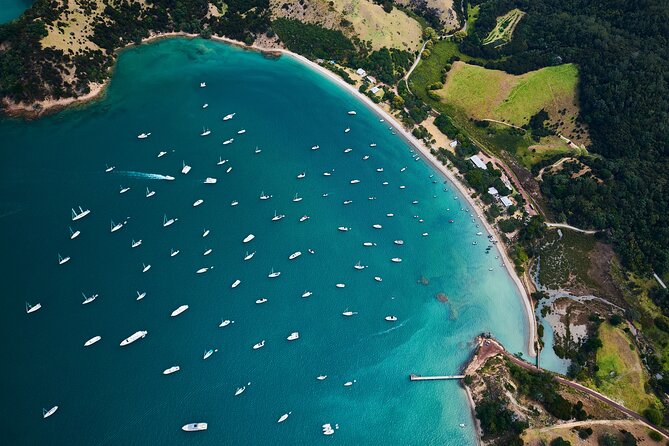
This isn’t a “sit on the dock” kind of experience. You’re out on the Hauraki Gulf with a boat designed for people who actually want to see wildlife—so you’re not stuck inside craning your neck at tiny windows. The cruise runs from the Auckland Viaduct area and sets you up to spend time looking, not just passing by.
What makes it click for me is the mix of structure and freedom. You’ve got dedicated time for marine mammal viewing, but you’re also cruising around islands, coastlines, and the volcanic landscape context of the Hauraki Gulf Marine Park. The live commentary is there to help you connect what you’re seeing with what’s happening in the water and along the shore.
And then there’s the Waiheke part. Instead of ending with a rushed return, you get a real break on an island—either with walking trails and sandy coves on Rotoroa Island, or with a calmer “beachfront cellar door and restaurant” vibe at Man O’ War Vineyards.
More time on the Waitematā: other Auckland cruises and sails
- Auckland: Whale and Dolphin Watching Half-Day Eco Cruise
★ 4.5 · 1,072 reviews - Auckland Harbour Sailboat Cruise Including Three Course Dinner
★ 4.5 · 476 reviews - America’s Cup 2-Hour Sailing Experience Waitemata Harbour
★ 4.8 · 370 reviews - Auckland: Scenic Harbour Sightseeing Cruise
★ 4.5 · 369 reviews
Price and what you really get for $105.50
At $105.50 per person, you’re paying for three things: a full day on the water (about 7 hours 45 minutes), a guided wildlife search with live commentary, and an island stop on Waiheke. That’s the core value.
Is it expensive for Auckland? It’s not a budget activity. But compared to many “half-day” boat experiences, this one has a longer runtime and includes a change of scenery on Waiheke. You also have the marine mammal viewing guarantee, which matters because the biggest uncertainty here is nature itself.
What’s not included is mainly food. Lunch sandwiches, snacks, and drinks are available to purchase onboard, and you’ll want to plan for that if you’re hungry during the sailing time. Since there’s no hotel pickup/drop-off, you’ll also want to make your own way to the meeting point.
If you’re someone who hates buying the same day’s entertainment twice, the guarantee can make this feel safer than a typical wildlife cruise. You’re still going to be at the mercy of wind, cloud, and animal movement—but at least the company’s built in a meaningful plan if you don’t get marine mammals.
How the 7 hours 45 minutes play out: from Viaduct to Waiheke
The day is designed like a loop: depart from central Auckland, cruise to hunt for marine wildlife, stop on Waiheke, then return back to where you started. The exact timing shifts by day in the summer schedule, but the flow stays the same.
Hitting the key points:
- You’ll depart from the area near the Auckland Viaduct, with the day’s wildlife search as the main event.
- You’ll get a Waiheke Island stop at either Rotoroa Island or Man O’ War Vineyards.
- There’s dedicated time to actually watch and look, not just listen to commentary while moving fast.
- You return back to the meeting point.
One practical note: the information says there’s no island stop on the 11:30am departure. So if the Waiheke break is a must for you, double-check which departure time you’re booking.
Stop 1: Hauraki Gulf Marine Park (your wildlife search zone)
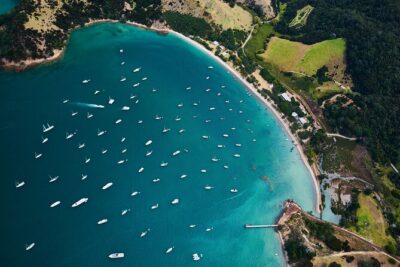
Your first major chunk of time is out in the Hauraki Gulf Marine Park. The cruise heads out to look for whales, dolphins, seals, and birdlife. This is also where the live commentary earns its keep—because you’re not just watching random scenery. You’re hearing about conservation efforts and the way the volcanic peaks, islands, and coastline fit into the larger marine system.
A good way to think about this stage: it’s your highest probability window for marine mammals, but it’s also the most variable. The engine is hunting, scanning, and adjusting based on what shows up. If you’re hoping for whales specifically, you may need some patience and good spotting focus.
More chances to spot the pods off Auckland
Stop 2: Rotoroa Island or Stop 3: Man O’ War Vineyards (Waiheke break)
This part is what turns the day from “boat time” into “a full Auckland adventure day.”
Rotoroa Island option
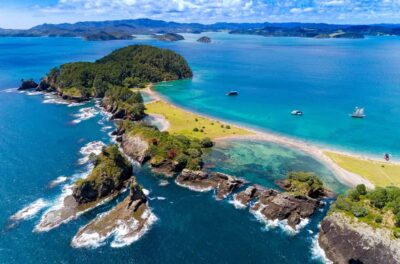
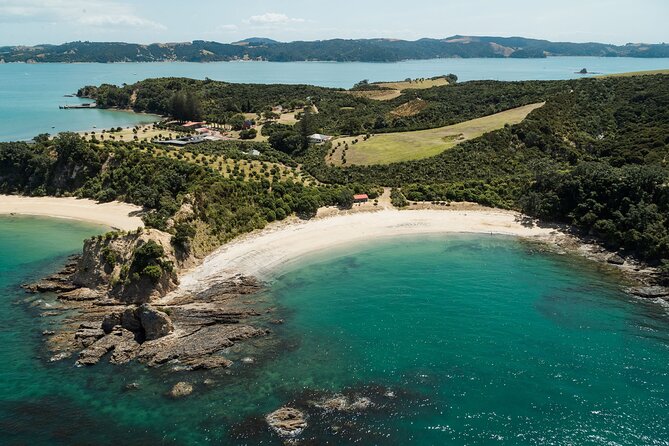
Rotoroa Island is aimed at people who like being on foot for a while. You can choose from about 8 km of walks, plus sheltered sandy beaches and native wildlife. If you want to stretch your legs after hours on the water (and you don’t mind swapping sea views for walking views), this option fits nicely.
Man O’ War Vineyards option
Man O’ War Vineyards is for the crowd that wants things simpler. Think laid-back time with a beachfront cellar door and access to a restaurant. You’ll still get the island feel, but with less of the “route planning” that comes with a long walk.
Important nuance: the island stop duration is described as around 1 to 1.5 hours for the typical weekday summer schedule, and around 2 hours on the morning island-stop option. That means you’ll want to go in with a plan for what you want most: a quick walk and photos, or a slower food-and-wine pace.
Stop 4: the Waiheke return portion
The day continues through the Waiheke phase and then back toward Auckland. Even when you’re not on the island, you’ll generally get more chances to view the islands and coastlines from the water. In practice, this is the “wrap-up” segment where the focus shifts from hunting wildlife to getting you back with enough time to feel like the day was worth it.
Stop 1 Hauraki Gulf: your best shot at whales, dolphins, seals, and birds

This is the heart of the experience, and it’s also where you’ll feel the biggest difference between a wildlife cruise that’s built for you—and one that’s built for formality.
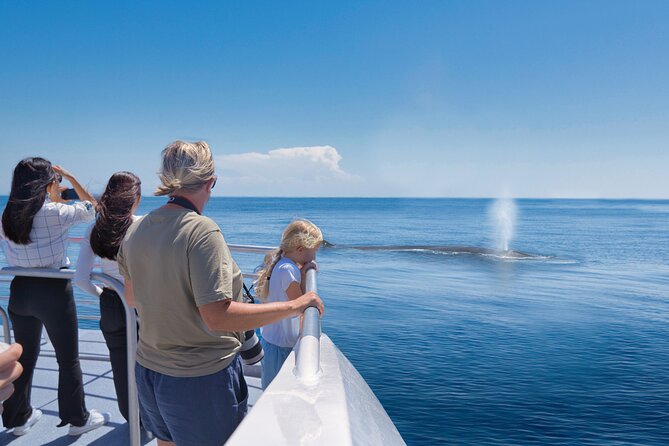
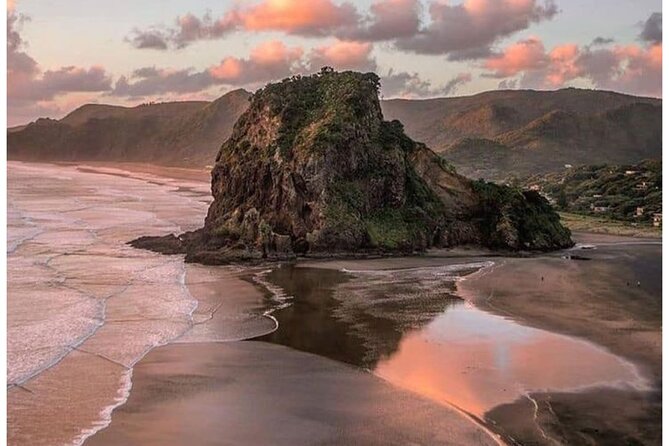
The boat setup matters here: you get large picture windows and expansive viewing decks, including roof, front, and rear areas. That layout reduces the usual frustration of wildlife tours where you’re stuck behind other people and miss the moment.
Also, the tour includes a dedicated time for marine mammal viewing, so the staff aren’t supposed to rush you through the best chance to see wildlife. When the animals are around, you want time to keep watching and repositioning.
What you might see (and what to aim for)
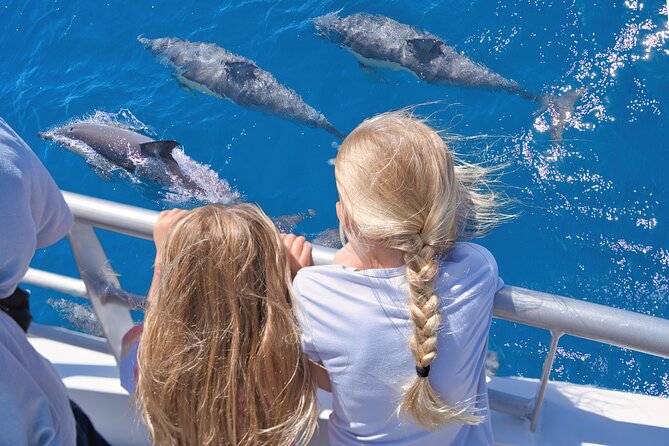
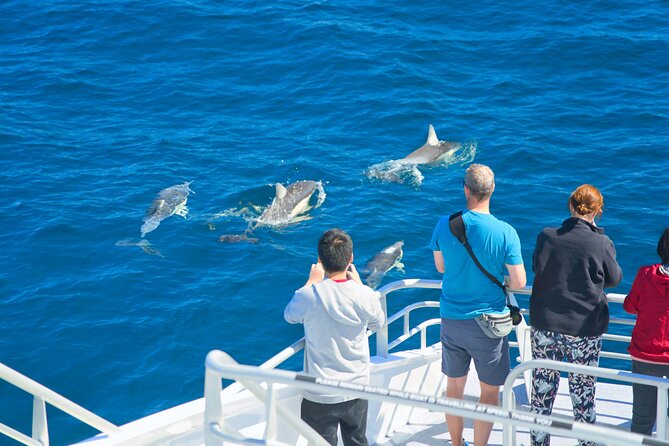
- Dolphins are often the most likely “wow moment,” since they can be active and visible around boats.
- Whales are the bigger prize, but they can be harder to guarantee.
- Seals and birdlife add variety even if the big mammals take their time.
From the tone of the experience and the guarantee, the operator is clearly aware that “no sightings” can happen. That’s why the marine mammal guarantee is a big deal for deciding whether this is worth your day.
Waiheke Island options: Rotoroa walks vs Man O’ War beach and cellar door
Waiheke is the sweet spot between “see wildlife” and “actually enjoy the island.” You get to pick your personality.
Rotoroa Island: for walking, photos, and sandy breaks
Rotoroa Island’s appeal is straightforward: you’re given the chance to go for a walk (around 8 km) and get sheltered sandy beaches plus native wildlife. This is a great match if you don’t want to spend the whole day staring at the water and you like moving at your own pace.
The trade-off is time. A 1 to 1.5 hour island stop (or around 2 hours on some departures) won’t let you do everything. If you choose Rotoroa, pick a priority: one solid loop plus a photo spot, or a beach-and-rest style break.
Man O’ War Vineyards: for calmer pacing and food
Man O’ War Vineyards is an island option that leans into comfort. You’re looking at a cellar door and a restaurant, plus a beach setting. If you want this day to feel like a treat rather than an active hike day, it’s a good fit.
The trade-off is that you’ll be less likely to get the same level of “go explore nature trails” feeling. This option is more about enjoying the island at a slower tempo while still collecting your Waiheke experience.
Onboard comfort and spotting tips for real front-row viewing
The cruise is set up for observation. Still, you can make your life easier with a few smart habits.
1) Pick your viewing position early
When you board, head toward the decks and windows right away. With front, rear, and roof decks, you can follow the wildlife without constantly moving through cramped aisles.
2) Dress for wind, not just sun
The day includes open water time and island time. Even if the forecast looks good at the start, you’ll feel wind on the decks.
3) Bring something for light refreshments
A licensed café is on board for light refreshments, and food like sandwiches/snacks and drinks are available to purchase. If you know your appetite, it’s worth planning so you don’t end up paying for last-minute snacks.
4) Use the commentary
The live commentary isn’t just background. It’s part of how you learn to interpret what you’re seeing—especially the conservation angle and the story connections to Ngāi Tai ki Tāmaki.
One of the practical benefits of purpose-built vessels is that the experience doesn’t require you to be a wildlife expert. You can be an interested observer with a good seat and decent patience.
Marine mammal viewing guarantee: how to think about risk the smart way

This tour includes a marine mammal viewing guarantee: come again for free if no marine mammals are spotted during your cruise. That’s not a magical promise that the animals will show up. But it’s a strong sign the operator knows what you’re paying for and wants to stand behind it.
Here’s the smart way to use that information:
- If marine mammals are your top goal, this guarantee gives you more confidence than a standard wildlife trip.
- If whales and dolphins are a bonus rather than the main mission, you can still enjoy the island stop and the cruise scenery even on a quieter wildlife day.
- If you’re booking on a tight schedule, know that cancellations due to poor weather can happen, and then the tour will be offered on a different date or with a full refund. Planning a backup day in Auckland can help.
Also, remember this is a nature experience. Some cruises will be spectacular. Others will be a patience test. The goal is to choose a day when you can be flexible.
Who should book this cruise (and who should plan differently)
This tour is best for you if:
- you want a full day that blends marine wildlife searching with an enjoyable Waiheke stop
- you like boats where you can actually watch from decks and windows
- you value live commentary and want context about the marine park and Ngāi Tai ki Tāmaki connections
- you’re okay with paying for a day tour where nature controls the highlight moment
It may be less ideal if:
- you’re highly schedule-bound and can’t handle the wildlife-movement factor
- you expect a guaranteed whale sighting as the default outcome
- you really dislike boat motion and open-water wind (the data doesn’t promise smooth seas, it just promises viewing time and comfort features like air-conditioned areas and a café)
And if you’re traveling with kids or a mixed group: the viewing setup helps, and the island stop gives a break from the boat rhythm. Just keep in mind that the island portion may be shorter depending on the departure time.
Quick decision: should you book the Auckland Dolphin, Whale and Island Cruise?
I’d book this if you want a classic Auckland marine day with real viewing infrastructure, a meaningful island stop, and a guarantee that protects you if wildlife doesn’t show. The biggest “make or break” factor is not the tour—it’s when and where the animals are moving. But between the viewing decks, the live commentary, and the marine mammal viewing guarantee, you’re not being handed a vague promise.
If Waiheke is a must for you, double-check the departure time because one departure time has no island stop. Otherwise, pick the island option that matches your energy—Rotoroa for walking and beaches, or Man O’ War for a slower food-and-cellar-door pace—and plan to enjoy the journey as much as the sightings.
FAQ
How long is the cruise?
The duration is listed as about 7 hours 45 minutes.
How much does it cost?
It’s $105.50 per person.
Where do I meet for the tour?
You start at the Explore Group AucklandExplore Booking Kiosk on Quay Street, Auckland Central (1010), and the tour ends back at the same meeting point.
Is the Waiheke Island stop included?
Yes, it includes an island stop at either Rotoroa Island or Man O’ War Vineyards on Waiheke Island.
Do all departures include the island stop?
No. The information notes no island stop on the 11:30am departure.
Does the tour include marine animal viewing if no animals are seen?
Yes. There’s a marine mammal viewing guarantee that offers you a free return cruise if no marine mammals are spotted during your cruise.
Is food included?
Lunch sandwiches, snacks, and drinks are available to purchase onboard, and the boat has a licensed café for light refreshments. Food is not listed as included.
Are there options depending on the season schedule?
Yes. In summer (27 Oct 2025 to 1 May 2026), the departure and return times vary by day, and the island stop timing can change accordingly.
How big is the group?
The tour has a maximum of 100 travelers.
More Tours Around Auckland
- Waiheke Island: Ferry & Hop-On Hop-Off Explorer Bus Tickets
★ 4.6 · 3,311 reviews - Hobbiton & Waitomo Caves Guided Day Trip from Auckland incl lunch
★ 5.0 · 2,677 reviews - From Auckland: Hobbiton & Waitomo Caves Day Trip with Lunch
★ 4.9 · 2,505 reviews - Auckland Dolphin and Whale Watching Eco-Safari Cruise
★ 4.5 · 1,790 reviews - Skydive Auckland
★ 5.0 · 1,516 reviews
Whales, Dolphins and the Gulf
- Auckland Dolphin and Whale Watching Eco-Safari Cruise
★ 4.5 · 1,790 reviews - Auckland: Whale and Dolphin Watching Half-Day Eco Cruise
★ 4.5 · 1,072 reviews - Auckland: Tikapa Moana Whales, Dolphins and Islands Cruise
★ 3.9 · 292 reviews - Auckland: Bay of Islands Day Tour with Dolphin Cruise
★ 5.0 · 11 reviews
Out on the Waitematā
- Auckland Dolphin and Whale Watching Eco-Safari Cruise
★ 4.5 · 1,790 reviews - Auckland: Whale and Dolphin Watching Half-Day Eco Cruise
★ 4.5 · 1,072 reviews - Auckland Harbour Sailboat Cruise Including Three Course Dinner
★ 4.5 · 476 reviews - America’s Cup 2-Hour Sailing Experience Waitemata Harbour
★ 4.8 · 370 reviews - Auckland: Scenic Harbour Sightseeing Cruise
★ 4.5 · 369 reviews
Fresh off the boat: newer Auckland tours to browse

Harbour Cruises & Sailing Trips, compared.
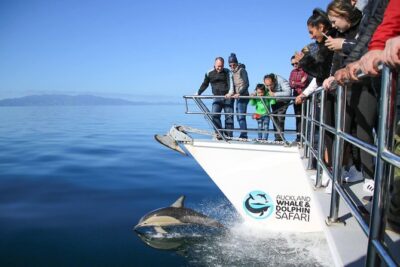 ★ 4.5Auckland Dolphin and Whale Watching Eco-Safari CruiseFrom $1351,790 reviews
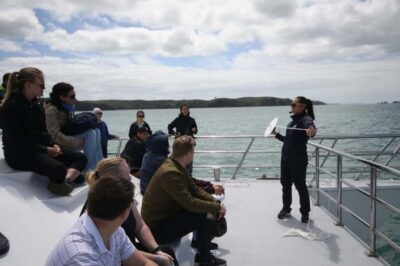 ★ 4.5Whale and Dolphin Watching Half-Day Eco CruiseFrom $1301,072 reviews
 ★ 4.5Auckland Harbour Sailboat Cruise Including Three Course DinnerFrom $105476 reviews
 ★ 4.8America’s Cup 2-Hour Sailing Experience Waitemata HarbourFrom $125370 reviews
 ★ 4.5Scenic Harbour Sightseeing CruiseFrom $35369 reviews
 ★ 4.5Harbour Sailing Cruise with 3-Course DinnerFrom $95319 reviews
 ★ 4.7Auckland Harbour 1.5-Hour Sailing CruiseFrom $65301 reviews
 ★ 4.5America’s Cup Sailing on Auckland’s Waitemata HarbourFrom $130298 reviews
Browse the lists this tour appears in