
Reviewed · WILDLIFE & NATURE RESERVES
Nocturnal Wonders Tawharanui Kiwi Spotting and Stargazing Tour
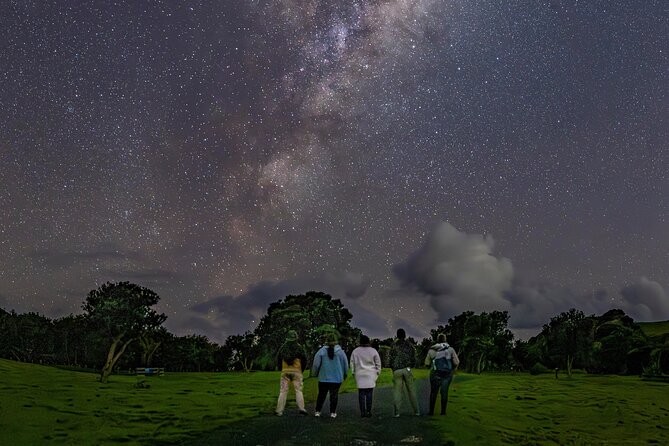
Kiwi trails and star trails in one night. This 3-hour Tawharanui night tour in Auckland blends a walking search for North Island brown kiwi signs with proper stargazing gear, so you get two very different parts of nature in one go. I like the small-group format (max 10), because it’s easy to ask questions and keep moving at a comfortable pace. I also like that the experience is built around nocturnal wildlife—so you’re not just watching nature, you’re reading it.
One thing to think about: the tour depends on good weather, and kiwi spotting is about signs and chances, not a guaranteed sighting. If you’re hoping for a front-row kiwi every time, temper expectations and treat it like a guided hunt through the bush.
In This Review
- Key things to know before you go
- Why Tawharanui is a smart pick for Auckland kiwi spotting
- Twilight kiwi discovery: how the hunt actually works
- Stargazing away from city lights, with telescopes in hand
- The walking bush experience: close to nature, no big performance
- Small-group touring: the value of up-close questions
- Glamping as an add-on: make it a longer night
- Price and value: is $93.09 worth it?
- Weather and expectations: how to set yourself up for success
- Who should book this Auckland night tour
- Should you book it or skip it?
- FAQ
- How long is the Nocturnal Wonders Tawharanui Kiwi Spotting and Stargazing Tour?
- Where does the tour start?
- What wildlife will I look for on the tour?
- Is the tour a walking tour?
- What stargazing equipment is provided?
- How big is the group?
- Can I add glamping to the experience?
- What happens if the weather is poor?
- What if I need to cancel?
Key things to know before you go
- Small group size (10 max): more interaction, fewer people, calmer night experience
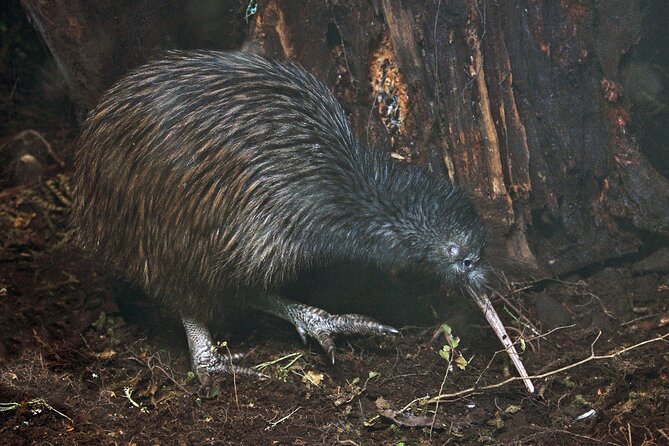
- Kiwi-focused search at twilight: you’re guided to look for activity signs, not just hope
- Telescope and binocular time: stargazing isn’t generic; you get specialized equipment
- Native bush walking component: you’ll be up close with the park’s night life
- Glamping option exists: you can extend the experience beyond the 3-hour tour
Why Tawharanui is a smart pick for Auckland kiwi spotting
Tawharanui Regional Park is a strong choice for night wildlife because it’s designed for real habitat—not a roadside zoo vibe. Even if you only know it by day, the park’s night character changes the whole feel. You swap daylight scanning for something more focused: listening, watching movement, and noticing tiny clues that a bird or reptile is nearby.
What makes this tour especially practical is that it’s built for the time when nocturnal animals are active. Many Auckland tours stop when the light fades. Here, the fun continues once the sky goes dark, with a guided plan that pairs kiwi searching with stargazing. You get the satisfaction of a guided objective, plus the payoff of a sky full of stars away from city glare.
And because it’s small-group, you’re not fighting for space or trying to see through a crowd of phones. This is the kind of tour where your guide can actually notice what you’re missing and point it out fast.
More kiwi, birds and island reserves near Auckland
- Auckland Dolphin and Whale Watching Eco-Safari Cruise
★ 4.5 · 1,790 reviews - Afternoon Piha Beach and Rainforest Tour from Auckland
★ 5.0 · 807 reviews - Waiheke Island: Zipline and Native Forest Adventure Trip
★ 4.9 · 695 reviews - Waitakere Ranges Wilderness Experience Tour from Auckland
★ 4.8 · 340 reviews
Twilight kiwi discovery: how the hunt actually works
The kiwi portion starts as twilight descends, which is a good window for night-bird activity. Instead of just walking and hoping, you follow an experienced guide through the park’s native bush while staying alert for traces of kiwi activity. In plain terms: you’re learning to spot the difference between random noise and meaningful signs.
Here’s what I’d focus on when you go: pay attention to the guide’s pace and the specific things they ask you to watch for. The point of a guided kiwi outing is that you don’t waste time guessing. If you get the chance to compare what you see versus what the guide is looking for, you’ll leave with skills you can use again—either on a later trip or just on a future walk in nature.
This is also where the small group really pays off. You’re not in a line where everyone drifts away from each other. You can hear instructions, ask questions in the moment, and adjust your eyes. That’s a big deal because kiwi encounters often come down to timing and attention to detail.
One more realistic note: the tour is about a kiwi discovery adventure and learning about the birds. You might spot kiwi(s), but even when you don’t, the guided search for evidence is still the core value. You’re learning how nocturnal wildlife lives and how that shows up on the forest floor.
Stargazing away from city lights, with telescopes in hand
Once the kiwi search winds down, the tour switches gears to celestial exploration at a stargazing site inside the park. The key advantage here is distance from city lighting. That matters because stars don’t just look better in theory—they look dramatically more detailed when glare is reduced.
Your guide brings telescopes and binoculars, so you’re not stuck with bare-eye astronomy. This turns the stargazing from a casual pause into something you can actually use. You’ll get a guided look at stars, planets, and constellations, plus stories tied to indigenous astronomy.
If you care about meaning, this is worth leaning into. Astronomy gets repetitive when it’s just names on a sky chart. When a guide connects the sky to cultural ways of seeing, you get more than pretty lights—you get context. Even if astronomy isn’t your thing, it changes how you look at the night sky for the rest of the evening.
Practical tip for your experience: spend your first few minutes letting your eyes adjust and then listen for what the guide calls out. Telescopes and binoculars work best when you’re ready to look at the target they’re discussing, not when you’re still searching randomly.
The walking bush experience: close to nature, no big performance
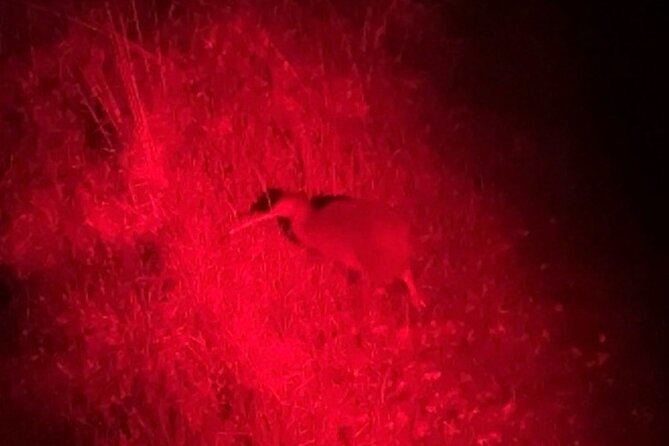
A lot of wildlife tours feel either too safe or too scripted. This one leans the other direction. You do a walking tour through native bush, and that’s part of why it feels grounded. You’re not staying in one photo spot. You’re moving with purpose, staying within the rhythm of night searching and wildlife observation.
Because it’s an actual guided walk, you’ll likely notice more than just wildlife. You’ll start seeing how the park functions after dark: how paths guide movement, how quiet changes sound, and how the forest floor becomes its own kind of map. Even if you don’t spot every animal you hoped for, the experience helps you interpret what you’re seeing.
The upside is that you’ll feel connected to the environment, not like you’re being transported through it. The downside is that it’s not an armchair activity. This is for people who are comfortable walking in the dark with an attentiveness mindset.
Small-group touring: the value of up-close questions
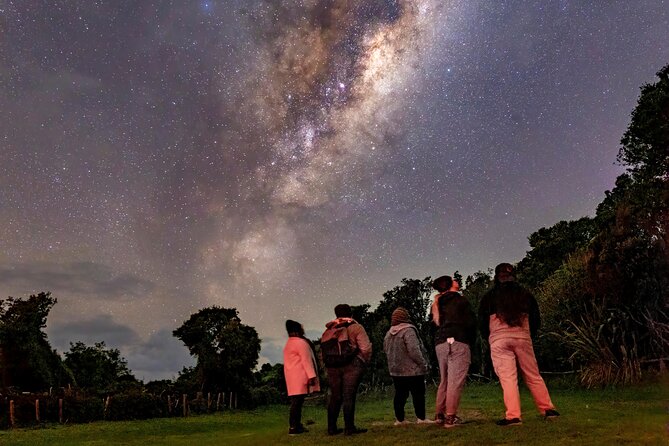
This is a max 10 travelers tour, which is a big part of why it earns such strong ratings. In a group that size, your guide can keep track of who’s watching, who has questions, and what each person notices. That’s how you get the moment-to-moment education that makes these tours memorable.
I also like that you have lots of chances to ask questions. In this kind of setting, questions are not awkward—they’re part of the experience. Ask about what to listen for. Ask what signs matter. Ask how the stargazing picks its targets. When a guide can answer without rushing, the tour stays personal.
If you’re the type of person who hates being shoved into a crowd, this small-group setup is a relief. If you’re traveling with friends, it also makes it easier to stay together without losing the plot.
Glamping as an add-on: make it a longer night
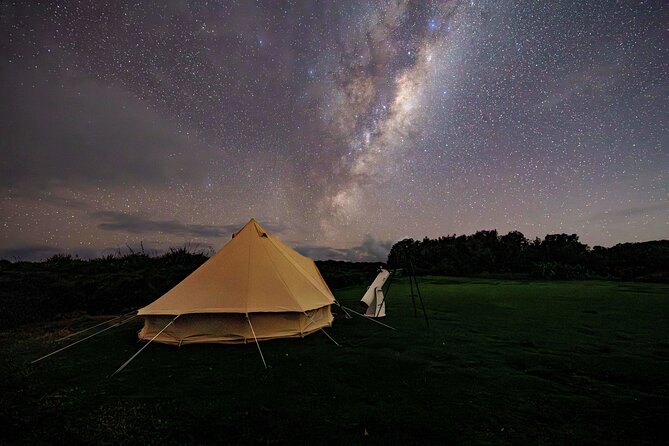
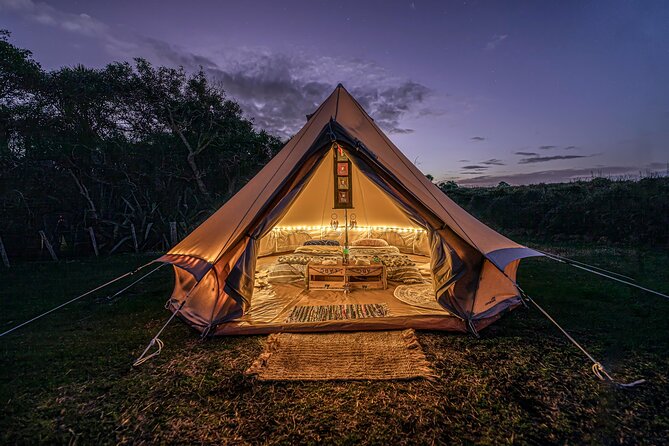
One way to level up this experience is by choosing to camp out in glamping tents. That turns a 3-hour excursion into something more like a full night in the park environment.
Just keep expectations in the right place: campsite bookings and fees are not included, so you’ll handle the campsite side separately. Still, the concept makes sense. If kiwi activity and night sky viewing are the stars (pun intended, but only a little), why not give yourself more hours to enjoy both?
Glamping can also be a win if you’re the kind of traveler who likes to stretch out rather than rush. You’ll already be learning how the night works during the tour, so having extra time afterward may help everything “click” even more.
Price and value: is $93.09 worth it?
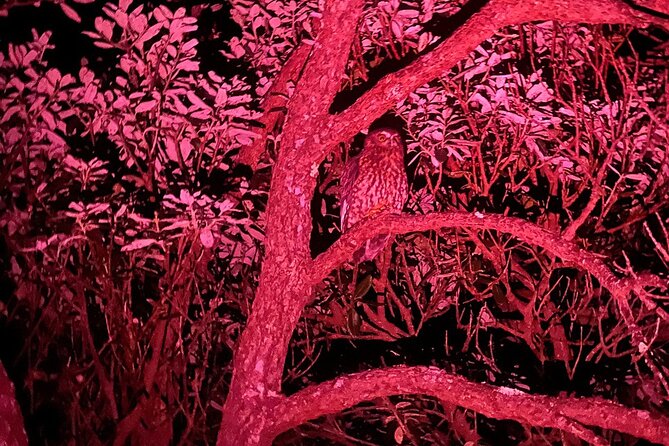
At $93.09 per person for about 3 hours, you’re paying for more than access—you’re paying for expertise and specialized gear. The tour includes a knowledgeable guide and specialized equipment, and during the stargazing portion you get telescopes and binoculars.
So where does the value come from?
- You’re paying for better spotting. Kiwi encounters are timing-based and sign-based. A guide helps you look the right way.
- You’re paying for night-sky tools. Telescopes and binoculars are not typical freebies, and they change what you can see.
- You’re paying for a small group. Max 10 travelers helps the tour stay interactive instead of chaotic.
- You’re not paying for park admission through the tour. The tour notes admission ticket free, which helps your overall budget.
Compared with longer or more expensive nature excursions, this price feels reasonable for a focused, small-group night program that combines two big nature experiences: kiwi discovery and astronomy.
Weather and expectations: how to set yourself up for success
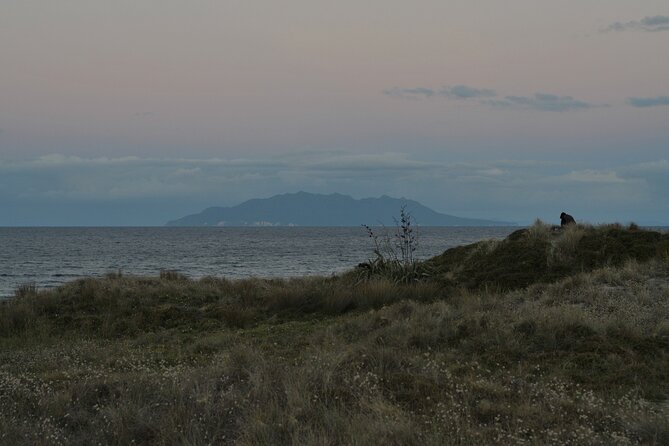
Because the tour requires good weather, it’s best to treat it as a plan that depends on conditions. If bad weather cancels it, you’ll be offered a different date or a full refund. That flexibility matters when you’re booking around Auckland schedules.
For expectations: the goal is to hunt for kiwi signs and enjoy the night sky. Sightings can happen—there’s real excitement when you do see kiwi up close—but it’s wise to view the experience as a guided nighttime nature lesson that sometimes includes a memorable animal moment.
Two more mindset tweaks that help:
- Be patient at the start. Twilight-to-night transitions often feel slow until suddenly they don’t.
- Stay present during stargazing. The sky takes a minute to “arrive,” and the guide’s targets will make more sense if you’re watching what they point out.
Who should book this Auckland night tour
This is a great match if you want:
- A kiwi-focused experience rather than a generic wildlife walk
- Guided stargazing with telescopes and cultural astronomy stories
- A small group where you can ask questions and stay engaged
It’s also a solid pick for couples, solo travelers, and friends who enjoy nature and want something different from daytime Auckland sightseeing. If you’re coming with kids, the tour notes most travelers can participate, but it’s still a night-time bush walk—so think about comfort level with darkness and quiet.
If your travel style is “show me the real local side,” this tour fits. It’s not trying to be a theme park night. It’s built around the park’s nocturnal world.
Should you book it or skip it?
I’d book this if you’re excited by night nature and you like guided learning, not just sightseeing. The combo of kiwi discovery at twilight plus telescope stargazing away from city lights is a rare pairing, and the small-group size makes the whole night feel personal.
I’d hold off only if you hate waiting for wildlife signs, strongly need guaranteed animal sightings, or you’re traveling at a time when weather cancellations would seriously disrupt your schedule. Otherwise, this is a high-value Auckland experience that turns darkness into something worth planning around.
FAQ
How long is the Nocturnal Wonders Tawharanui Kiwi Spotting and Stargazing Tour?
The tour runs for about 3 hours.
Where does the tour start?
The meeting point is Tawharanui Regional Park, 1181 Takatu Road, Tāwharanui Peninsula 0986, New Zealand.
What wildlife will I look for on the tour?
The tour focuses on nocturnal wildlife, including the North Island brown kiwi, plus other nocturnal birds, insects, and reptiles.
Is the tour a walking tour?
Yes. It includes a walking component through the park’s native bush during the kiwi discovery part.
What stargazing equipment is provided?
Your guide provides telescopes and binoculars for the stargazing portion.
How big is the group?
The maximum group size is 10 travelers.
Can I add glamping to the experience?
You can choose to enhance the experience by camping out in glamping tents, but campsite bookings and fees are not included.
What happens if the weather is poor?
The tour requires good weather. If it’s canceled due to poor weather, you’ll be offered a different date or a full refund.
What if I need to cancel?
Free cancellation is available up to 24 hours in advance for a full refund.
More Tours Around Auckland
- Waiheke Island: Ferry & Hop-On Hop-Off Explorer Bus Tickets
★ 4.6 · 3,311 reviews - Hobbiton & Waitomo Caves Guided Day Trip from Auckland incl lunch
★ 5.0 · 2,677 reviews - From Auckland: Hobbiton & Waitomo Caves Day Trip with Lunch
★ 4.9 · 2,505 reviews - Auckland Dolphin and Whale Watching Eco-Safari Cruise
★ 4.5 · 1,790 reviews - Skydive Auckland
★ 5.0 · 1,516 reviews
Kiwi, Birds and Quiet Islands
- Auckland Dolphin and Whale Watching Eco-Safari Cruise
★ 4.5 · 1,790 reviews - Afternoon Piha Beach and Rainforest Tour from Auckland
★ 5.0 · 807 reviews - Waiheke Island: Zipline and Native Forest Adventure Trip
★ 4.9 · 695 reviews - Waitakere Ranges Wilderness Experience Tour from Auckland
★ 4.8 · 340 reviews - Coast and Rainforest Eco-Tour from Auckland with Picnic Lunch
★ 5.0 · 264 reviews
Fresh off the boat: newer Auckland tours to browse


Wildlife & Nature Reserves, compared.
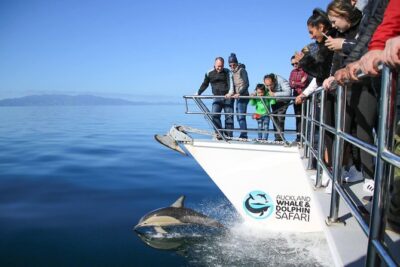 ★ 4.5Auckland Dolphin and Whale Watching Eco-Safari CruiseFrom $1351,790 reviews
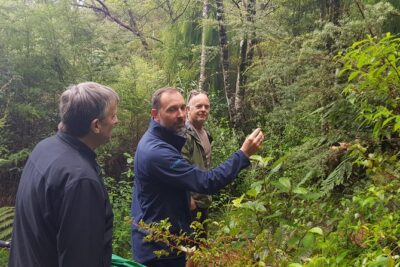 ★ 5.0Afternoon Piha Beach and Rainforest Tour from AucklandFrom $124807 reviews
 ★ 4.9Waiheke Island: Zipline and Native Forest Adventure TripFrom $89695 reviews
 ★ 4.8Waitakere Ranges Wilderness Experience Tour from AucklandFrom $119340 reviews
 ★ 5.0Coast and Rainforest Eco-Tour from Auckland with Picnic LunchFrom $192264 reviews
 ★ 5.0Piha Waitakere Rainforest Wine Tour from AucklandFrom $195201 reviews
 ★ 5.0Auckland City Highlights, Afternoon Piha Beach & Rainforest TourFrom $183134 reviews
 ★ 4.7Tiritiri Matangi Island FerryFrom $65133 reviews
Browse the lists this tour appears in