
Reviewed · WILDLIFE & NATURE RESERVES
Auckland: Tiritiri Matangi Island Ferry
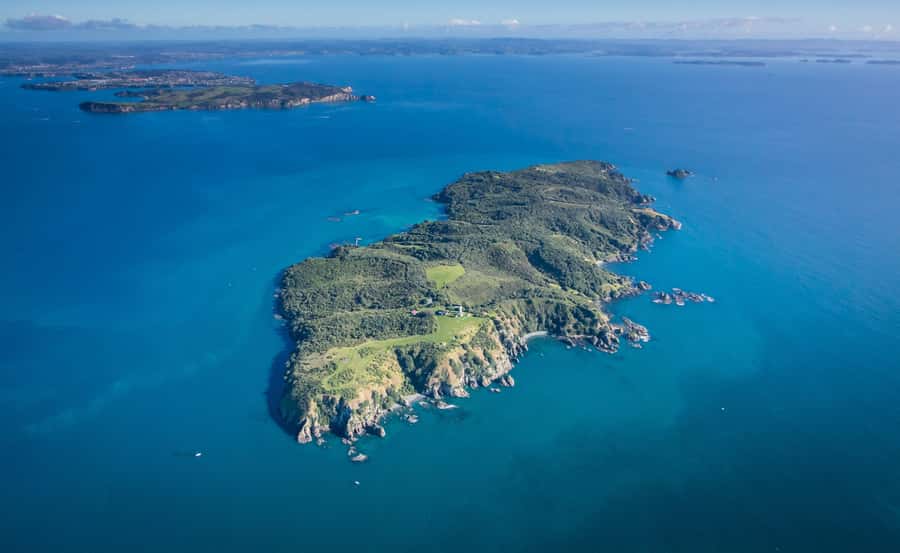
A bird paradise you can reach from Auckland. This trip pairs a smooth cruise in the Hauraki Gulf with a real wildlife sanctuary on Tiritiri Matangi, including the oldest working lighthouse in New Zealand. Once you’re ashore, the chance to hear and glimpse native birds makes the whole day feel quietly special.
I love how the island is run as a pest-free refuge, so you’re not just looking at pretty scenery. You’re walking through regenerating native forest and seeing species like kōkako, tīeke (saddleback), and tuatara if you’re lucky with timing and luck with eyes.
One key consideration: you need to bring your own food and drinks. There aren’t shops on the island, so plan a lunch and snacks rather than counting on buying something mid-walk.
In This Review
- Quick reasons this ferry day works
- Auckland to Tiritiri Matangi: why this sanctuary is worth a ferry ride
- Picking your departure: Auckland days vs Gulf Harbour shortcuts
- The ferry ride through Tikapa Moana: comfortable, scenic, and practical
- Tiritiri Matangi: a pest-free island where native birds have room to survive
- Walking tracks and forest regeneration: how to choose routes without stressing
- Pacing tip that makes the day nicer
- The oldest working lighthouse in New Zealand: your island milestone
- Beaches for a swim or snorkel: what to pack and how to time it
- Food and comfort: the part people forget
- Rules that keep the island safe (and help you enjoy it more)
- What the day feels like from start to finish (using the real timing)
- Is it good value at about $65 per person?
- Who should book this Auckland ferry to Tiritiri Matangi?
- Should you book the Auckland to Tiritiri Matangi ferry?
Quick reasons this ferry day works
- Tiritiri Matangi is pest-free, which is why the birds and reptiles feel more than “maybe you’ll see something”
- The Hauraki Gulf cruise runs fast and comfortable, either about 80 minutes from Auckland or about 25 minutes from Gulf Harbour
- You can walk tracks at your own pace and choose how active you want the day to be
- The island’s oldest working lighthouse is a standout, not a checklist item
- There’s time for a beach swim or snorkel if the weather’s kind
- A live English guide adds context on the conservation work and the species you’re hunting for (names I’ve seen in the guide roster include Vishnu, Tina, Anne, and Malcolm Pullan)
Auckland to Tiritiri Matangi: why this sanctuary is worth a ferry ride
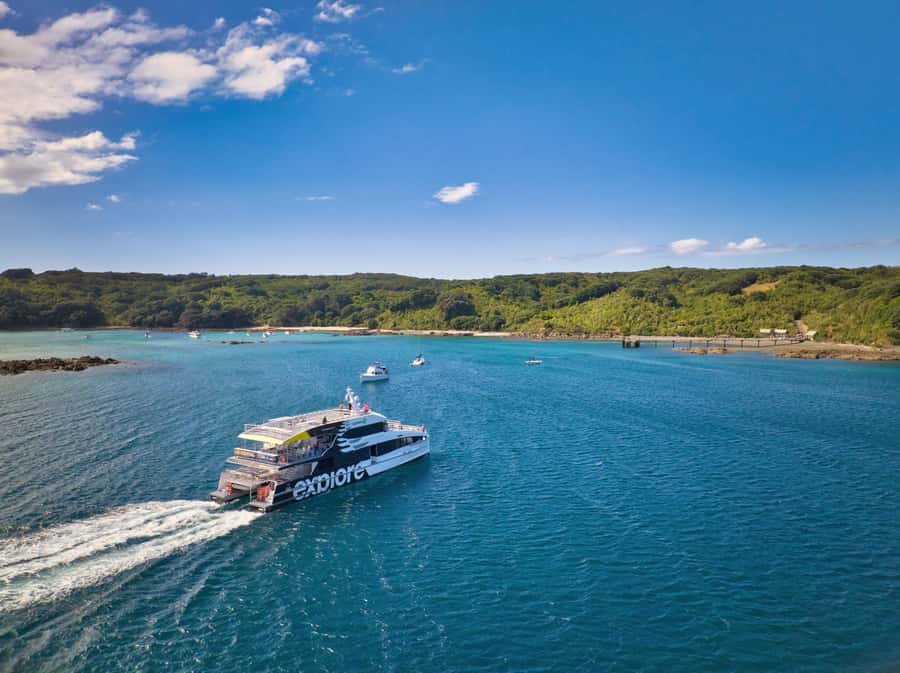
If you want an easy day trip that still feels like you left the city behind, this one makes sense. You’ll cruise through the Hauraki Gulf, arrive on a conservation island, and spend hours exploring walking tracks where native wildlife has a fighting chance.
The best part is the combination: transport that’s simple (ferry there and back), plus an island visit that’s not just sightseeing. It’s actively managed for wildlife, so the experience has a clear purpose.
And yes, you’ll still get the fun stuff—cliff-top views, quiet beaches, and that lighthouse you can’t miss. But the “why” behind the place is what sticks with you.
More kiwi, birds and island reserves near Auckland
- Auckland Dolphin and Whale Watching Eco-Safari Cruise
★ 4.5 · 1,790 reviews - Afternoon Piha Beach and Rainforest Tour from Auckland
★ 5.0 · 807 reviews - Waiheke Island: Zipline and Native Forest Adventure Trip
★ 4.9 · 695 reviews - Waitakere Ranges Wilderness Experience Tour from Auckland
★ 4.8 · 340 reviews
Picking your departure: Auckland days vs Gulf Harbour shortcuts
The schedule is clean and predictable, and you can choose based on where you’ll start your morning.
From Auckland (Explore Group):
- Wednesday–Friday: depart 9:00am, arrive 10:20am
- Saturday, Sunday, and Public Holidays: depart 8:30am, arrive 9:50am
Return times mirror that day structure, with departures from the island at 2:40pm (Wed–Fri) or 4:00pm (weekends/PH).
From Gulf Harbour (ferry terminal):
- You arrive much faster—about 25 minutes by ferry.
- The activity still gives you a full island visit with walking tracks and beaches, just with less time on the water.
If you’re staying in central Auckland, the Auckland departure is convenient. If you’re already on the Gulf Harbour side (or you like an earlier island start without a longer sea crossing), Gulf Harbour is the efficient option.
The ferry ride through Tikapa Moana: comfortable, scenic, and practical
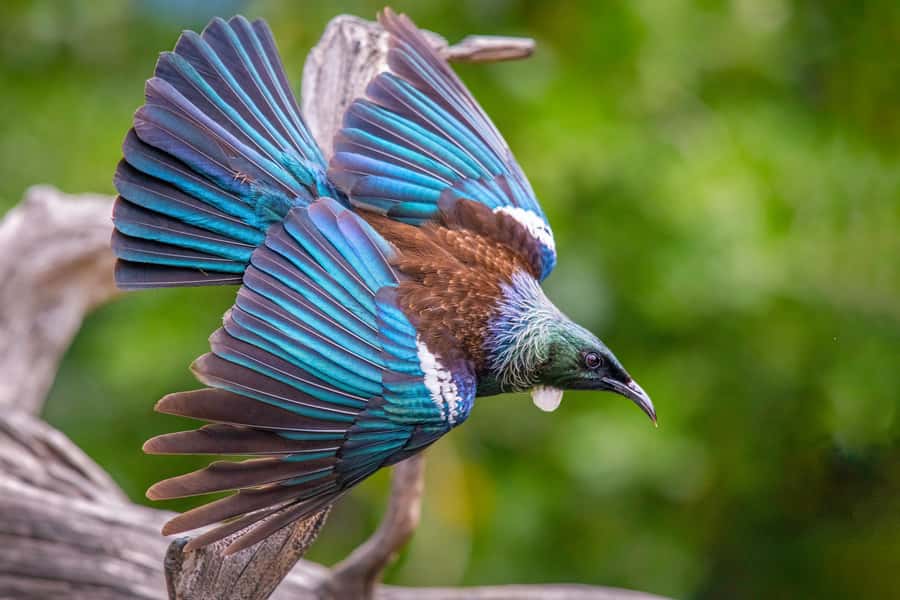
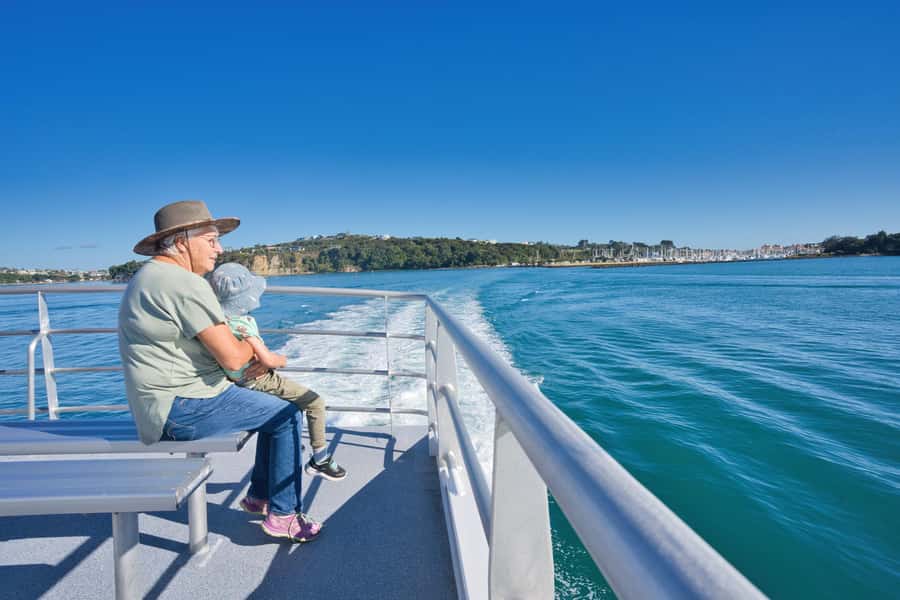
This is a cruise-style ferry day, not a cattle-car shuttle. The ride takes you through Tikapa Moana (the Hauraki Gulf) on a premium cruise fleet, so you can settle in, look out, and get in “island mode” before you land.
Plan for the sea to be breezy. One of the more common practical comments you’ll hear is that the ferry can feel windy but smooth, depending on the day. That’s exactly why I pack a hat and something light for warmth.
What you get on the water is more than just transit. It’s your slow introduction to the gulf’s mood, and it helps you appreciate the scale of what you’re walking into.
Tiritiri Matangi: a pest-free island where native birds have room to survive
Tiritiri Matangi is a sanctuary island, and that single fact changes how the day feels. It’s pest-free, which gives native species space to recover and breed without the same pressure they face elsewhere in the region.
This is also why the bird component is the headline. The island holds precious populations of species that are hard to see around Auckland, including:
- kōkako
- tīeke (saddleback)
- tuatara
- plus the possibility of other native/endangered species you might glimpse as you walk
You’re not guaranteed a perfect list of sightings, but you are in the right place. When you do catch a rare bird or see tuatara, it feels like the conservation work is doing something real.
Guides also make a difference. On some departures, guides have been known for tight group pacing and sharp species spotting (I’ve seen names like Vishnu, Tina, Anne, and Malcolm Pullan associated with excellent bird and plant knowledge). Even if you’re exploring at your own pace, a guide’s pointers help you notice what you would otherwise miss.
Walking tracks and forest regeneration: how to choose routes without stressing
Once you arrive, you get access to the island’s walking tracks, and this is where you can shape the day. The trails vary enough that you can pick a level of effort—great if you’re fit, and manageable even if you’re not looking to turn it into a hike marathon.
The big idea: you’re walking through regenerating native forest and along paths that let you hear and spot wildlife rather than just stare at it. One practical tip that comes up again and again is to take breaks and listen. Birdsong can be constant, and it often leads you toward the sightings.
Also, don’t underestimate navigation. Some areas can be easy to get turned around on if you miss a start point. If you like wandering, do it with a calm pace and check your bearings often—especially around beach connections and track junctions.
Pacing tip that makes the day nicer
Give yourself two modes:
- a slower “bird listening” mode
- a slightly faster “get to the best viewpoints” mode
That way you don’t feel rushed if you’re having fun watching wildlife, and you still make it to the lighthouse and beaches.
The oldest working lighthouse in New Zealand: your island milestone
If you’re the type who likes a clear destination, the lighthouse does the job. Tiritiri Matangi has the oldest working lighthouse in New Zealand, and it’s a strong anchor for your time on the island.
What makes it worthwhile isn’t only the age. It’s the feeling of reaching a structured human landmark inside a place designed for wildlife recovery. You’re walking, looking, listening, and then—there it is—quietly doing its job.
This is also a good “reset stop.” Sit for a few minutes, take photos, and decide which track you want to finish on. On days when the birds are active, it can also give you a useful break without losing your wildlife momentum.
Beaches for a swim or snorkel: what to pack and how to time it
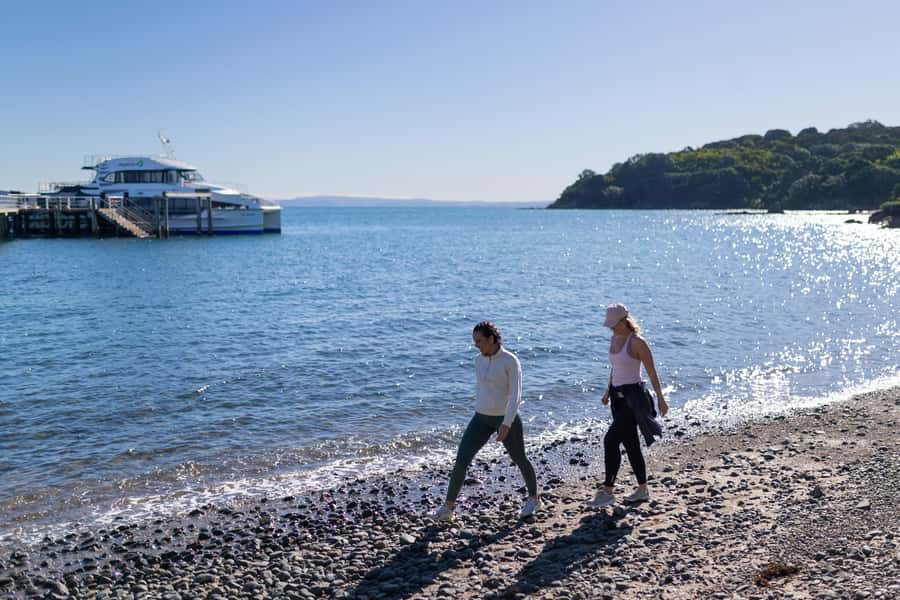
The island has quiet sandy beaches, and you can swim or snorkel there (conditions vary by day, so treat it like a weather-dependent bonus). If you want water time, come prepared.
Bring:
- swimwear
- a towel
- sunscreen
- water
One practical plus is that the beach is often the kind of place where the day slows down. It can feel like a reward after hours of walking and listening for birds.
If you’re going to snorkel, don’t wait until the last minute. Give yourself enough time to change, rinse (as best you can with what you brought), and still get back for the ferry.
Food and comfort: the part people forget
This is the part that can turn into a problem if you wing it. There are no food outlets on the island, so you’ll want a proper lunch plus snacks.
Pack your meals in a sealed container and keep everything tidy. It’s also one more way to respect the sanctuary rules. The island bans littering and feeding animals, so think “leave no trace” as your core mindset.
On the water, there may be onboard space and amenities like seating, a bar for drinks and snacks, and toilets—one reason some people like starting from Auckland. But even if you buy something on the ferry, don’t count it as your island lunch plan.
I also recommend bringing:
- comfortable shoes for the tracks
- a hat
- camera (you’ll want it)
- sunscreen and water
- snacks that won’t melt into sadness in the sun
Rules that keep the island safe (and help you enjoy it more)
You’re visiting a working conservation site, so the rules are about protecting wildlife and the habitat.
Don’t bring or do the following:
- drones
- bikes
- smoking
- feeding animals
- touching plants
- littering
These rules also help you feel less like you’re in a theme park. You move through the sanctuary more carefully, and the wildlife experience tends to feel more natural as a result.
And if you’re wondering about wildlife close-ups: the whole point is to observe without interfering.
What the day feels like from start to finish (using the real timing)
Here’s how the flow typically lands, based on the scheduled times:
- You check in at your departure point and board in the morning.
- You cruise through the gulf (about 80 minutes from Auckland or about 25 minutes from Gulf Harbour).
- You arrive on Tiritiri Matangi for several hours of walking, lighthouse time, and beach time if you planned for swimwear.
- You take the ferry back, with arrival in Auckland timed for a late afternoon return.
This timing is ideal for people who want one big nature block without needing overnight planning. It’s also long enough that you can be flexible—slow down for bird sightings or shift to viewpoints and beaches if the wind picks up.
Is it good value at about $65 per person?
At around $65 per person, the value comes from what’s included: the cruise (each way), access to the walking tracks, and the chance to swim or snorkel. You’re paying for transportation plus entry into a curated, pest-free conservation site experience.
The extra value is the guide component—English live guiding adds context on the birds, plants, and island restoration. When you’re in a place like this, a little interpretation helps you notice more, and that makes your time feel longer and richer.
The trade-off is that you’re responsible for meals and snacks. Since there are no island food outlets, your total day cost depends on how well you pack ahead.
Who should book this Auckland ferry to Tiritiri Matangi?
This trip is a great fit if you:
- want a native wildlife experience without complicated logistics
- like walking tracks but don’t want a multi-day plan
- care about conservation and want to see a pest-free refuge in action
- enjoy birds, especially species that are difficult to see around Auckland
It’s less ideal if you need wheelchair access. The tour notes it’s not suitable for wheelchair users, so you’ll want to look for other options if mobility support is required.
Should you book the Auckland to Tiritiri Matangi ferry?
I’d book it if your idea of a perfect day includes native birds, quiet walks, and a lighthouse stop that feels meaningful. The ferry timing is straightforward, the island access is the main event, and packing a lunch is an easy task compared to the payoff of being on a sanctuary island so close to Auckland.
If you’re willing to bring your own food, wear the right shoes, and spend time listening for wildlife, this is one of those day trips that can genuinely reset your whole trip mindset.
More Tours Around Auckland
- Waiheke Island: Ferry & Hop-On Hop-Off Explorer Bus Tickets
★ 4.6 · 3,311 reviews - Hobbiton & Waitomo Caves Guided Day Trip from Auckland incl lunch
★ 5.0 · 2,677 reviews - From Auckland: Hobbiton & Waitomo Caves Day Trip with Lunch
★ 4.9 · 2,505 reviews - Auckland Dolphin and Whale Watching Eco-Safari Cruise
★ 4.5 · 1,790 reviews - Skydive Auckland
★ 5.0 · 1,516 reviews
Kiwi, Birds and Quiet Islands
- Auckland Dolphin and Whale Watching Eco-Safari Cruise
★ 4.5 · 1,790 reviews - Afternoon Piha Beach and Rainforest Tour from Auckland
★ 5.0 · 807 reviews - Waiheke Island: Zipline and Native Forest Adventure Trip
★ 4.9 · 695 reviews - Waitakere Ranges Wilderness Experience Tour from Auckland
★ 4.8 · 340 reviews - Coast and Rainforest Eco-Tour from Auckland with Picnic Lunch
★ 5.0 · 264 reviews
Fresh off the boat: newer Auckland tours to browse



Wildlife & Nature Reserves, compared.
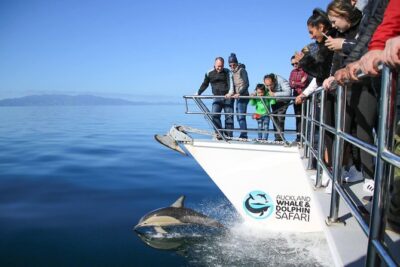 ★ 4.5Auckland Dolphin and Whale Watching Eco-Safari CruiseFrom $1351,790 reviews
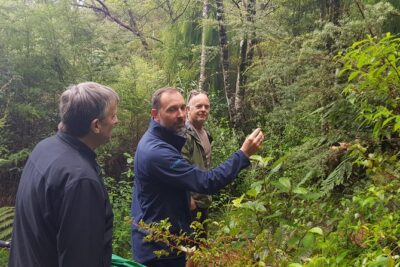 ★ 5.0Afternoon Piha Beach and Rainforest Tour from AucklandFrom $124807 reviews
 ★ 4.9Waiheke Island: Zipline and Native Forest Adventure TripFrom $89695 reviews
 ★ 4.8Waitakere Ranges Wilderness Experience Tour from AucklandFrom $119340 reviews
 ★ 5.0Coast and Rainforest Eco-Tour from Auckland with Picnic LunchFrom $192264 reviews
 ★ 5.0Piha Waitakere Rainforest Wine Tour from AucklandFrom $195201 reviews
 ★ 5.0Auckland City Highlights, Afternoon Piha Beach & Rainforest TourFrom $183134 reviews
 ★ 4.9Auckland City, Beaches & Rainforest Premium Small Group TourFrom $176111 reviews
Browse the lists this tour appears in