
Reviewed · WILDLIFE & NATURE RESERVES
Guided Tour at Pukorokoro Shorebird Centre
Shorebirds steal the show, fast. At the Pukorokoro Miranda Shorebird Centre near Auckland, this guided visit along the Shorebird Coast takes you into an estuary ecosystem where you can watch manu/shorebirds up close, with telescope views that make the whole thing feel surprisingly personal. You’ll also hear how geology and wetland habitats shape what birds do here, including the incredible story of the kuaka migration.
I really like that the guide turns seeing birds into real learning. I picked up practical identification guidance—so it’s not just bird spotting for the sake of bird spotting—and I found myself paying attention to details you can actually use. One consideration: this is a walking tour around reserve areas and to bird hides, so it’s not recommended for very limited mobility.
In This Review
- Key highlights you’ll care about
- Pukorokoro Miranda: Auckland’s shorebird spotting with purpose
- Getting ready: what your 1.5 hours really demands
- Robert Findlay Wildlife Reserve: your main viewing experience
- What you’ll see (and how the guide helps you see it)
- Telescopes and bird hides: why this setup beats guesswork
- The kuaka migration story you’ll actually remember
- Who guides you and what to expect from the tone
- How this tour supports shorebird conservation (without getting preachy)
- Price and logistics: is $31.03 worth it?
- Should you book the guided Shorebird Centre tour?
Key highlights you’ll care about
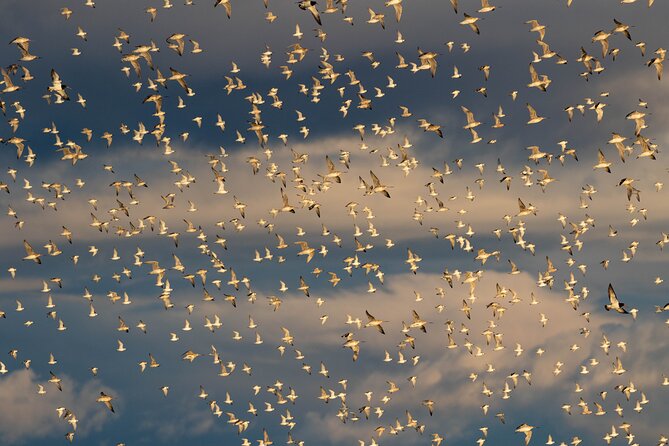
- Provided telescopes make it easier to see thousands of shorebirds clearly
- Robert Findlay Wildlife Reserve bird hides give you a proper viewing setup
- Tide-timed viewing helps keep birds present during the best watching windows
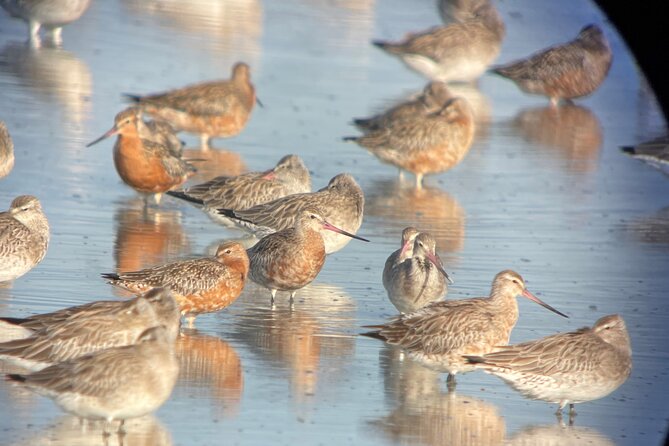
- ID help for close look-alikes like godwits and wry-billed birds
- Internationally significant wetland context so you understand what you’re seeing
- Conservation support through a centre focused on protecting these habitats
Pukorokoro Miranda: Auckland’s shorebird spotting with purpose
If you think shorebirds are something you only see far away, this tour nudges you to rethink that. You’re based near Auckland, in a coastal area where the estuary environment creates a feeding and resting stage for birds moving across huge distances. What makes it special isn’t just the chance to see lots of birds. It’s that the centre is set up so you can learn how and why these places matter.
I like that the experience is built around the real local ecosystem: an estuary with shorebird habitat, shelter, and food. And since the visit is guided, you don’t need to be a lifelong birder to follow along. The guide connects what’s happening in the wetlands with the birds you’re looking at, including the challenges that come with migration.
It’s also a conservation-minded stop. Seeing birds is fun, yes. But you’re also supporting an organisation working to protect shorebird habitats and the people and places involved in conservation.
More kiwi, birds and island reserves near Auckland
- Auckland Dolphin and Whale Watching Eco-Safari Cruise
★ 4.5 · 1,790 reviews - Afternoon Piha Beach and Rainforest Tour from Auckland
★ 5.0 · 807 reviews - Waiheke Island: Zipline and Native Forest Adventure Trip
★ 4.9 · 695 reviews - Waitakere Ranges Wilderness Experience Tour from Auckland
★ 4.8 · 340 reviews
Getting ready: what your 1.5 hours really demands
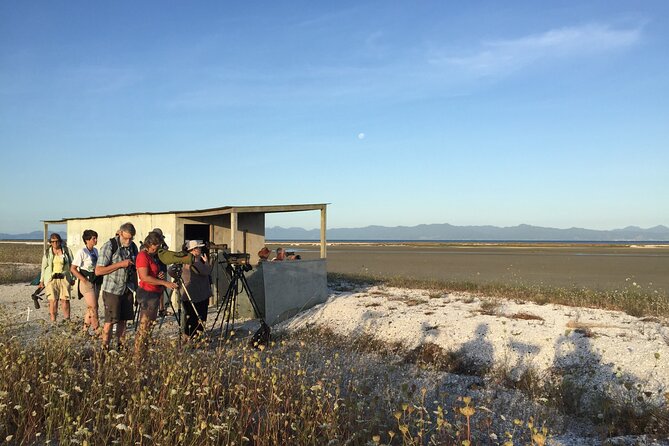
This guided tour runs about 1 hour 30 minutes, and it moves at a calm pace. You’ll walk around the reserve and reach bird hides for viewing. That matters because you’re not just walking past scenery. The route is designed for watching.
The tour price is $31.03 per person, and I think it’s good value for three reasons: you get a guide, you get access to telescopes, and you get the chance to see shorebirds in a setup made for viewing (not just “stand somewhere and hope”). In other words, you’re paying for the experience design, not only for someone to point at birds.
A few practical notes:
- Bring a refillable water bottle. Bottled water isn’t included, but you can refill bottles at the centre.
- Snacks aren’t included. You can plan to grab food nearby before or after, depending on what’s easiest for your day.
- If you have binoculars, bring them. One helpful tip I’d follow: you can use your own binoculars alongside the provided telescopes for different levels of magnification and comfort.
Also, the tour requires good weather. If conditions aren’t right, you’ll be offered another date or a full refund. So check the forecast before you commit your day.
Robert Findlay Wildlife Reserve: your main viewing experience
The whole tour centres on Robert Findlay Wildlife Reserve, and that’s where you’ll spend your time walking and bird-hiding. The reserve loop and hides are the heartbeat of the experience. This is where you stop, look, and get guided interpretation instead of wandering.
Expect a real “watching moment” structure:
- You walk the reserve area with the guide.
- You reach viewing spots and bird hides, which help you see more comfortably without constantly changing your position.
- You use the provided telescopes to look at birds at distance.
- You get help connecting specific birds to the names and migration stories the guide explains.
The bird hides are important because shorebirds often feed and move in ways that are easier to track from a stable viewing position. If you’ve ever tried to see tiny details from a windy shoreline, you’ll appreciate the setup.
What you’ll see (and how the guide helps you see it)
The aim is to get you looking at shorebirds in their natural habitat, not just collecting random photos. The guide focuses on the manu/shorebirds living in these wetland areas and talks about their migrations—especially the kuaka. Along the way, you’ll learn how to tell similar species apart.
One of the most praised parts of this tour is exactly that: practical identification. People go in curious and come out able to answer questions like wry-billed or godwit. That’s a big difference between a general nature walk and a bird-focused tour with real instruction.
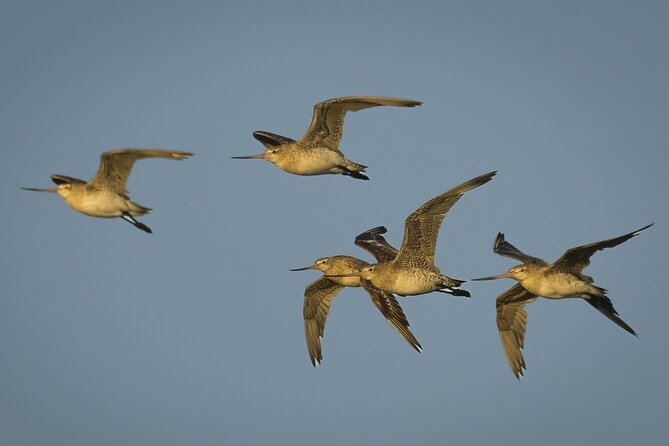
You may also notice a mix of shorebird species. Some visitors highlight seeing impressive numbers of birds like bar-tailed godwits and redknots, plus the broader diversity that shows up in a working wetland habitat.
Telescopes and bird hides: why this setup beats guesswork
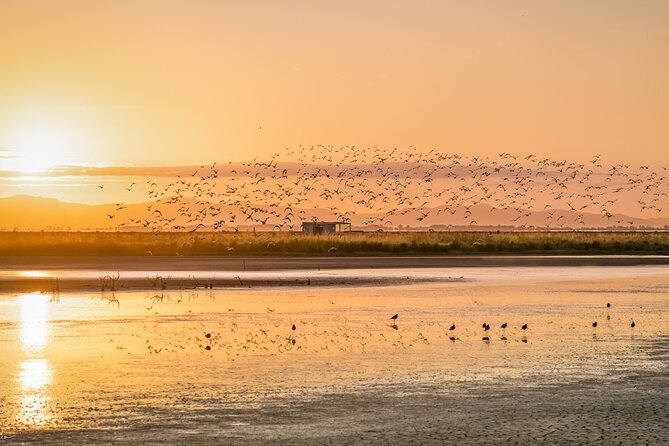
A lot of wildlife experiences live or die by sight lines. Here, the telescopes do heavy lifting. They help you scan, lock in, and study birds without feeling like you’re squinting at moving dots for ninety minutes.
From a value perspective, this matters. Telescopes aren’t an optional extra here—they’re part of the tour. So you’re not stuck spending more money on equipment just to make the experience work.
Using telescopes also supports the learning part. When you can actually see detail—shape, size cues, and visible features—you can follow the guide’s explanations instead of just hearing general bird facts. You’re far more likely to remember what you learned because you’re seeing it while you learn it.
And if you bring binoculars, you can compare. Telescopes can help with longer-distance viewing. Binoculars can help you track movement quickly and comfortably. Together, they can make the whole experience smoother.
The kuaka migration story you’ll actually remember
Bird migration sounds abstract until you connect it to a specific habitat. This tour helps you do that with the kuaka—one of the shorebird migration stories visitors most want to understand.
The guide explains why these birds travel the way they do and the challenges they face along the route. You’ll hear how feeding and resting spots in wetland areas tie into the broader journey. When you watch shorebirds in an estuary setting, the migration story stops being trivia and becomes part of what you’re seeing.
What I like about hearing migration explained here is that it’s not only about distance. It’s also about the pressures that come with long travel and the need for reliable habitat. When the guide points out the “why” behind what’s happening around you, it makes the entire visit feel grounded.
Even better: the tour timing helps. One key detail mentioned by visitors is that the guided sessions are timed for the tides so the birds are present when you’re watching. That’s a practical win. It means you spend your paid time when you have the best shot at seeing lots of birds actively using the reserve.
Who guides you and what to expect from the tone
The tour is run by staff from the Pukorokoro Miranda Shorebird Centre, and the guiding style is consistently described as relaxed, informative, and friendly. Names you may hear include Chelsea and Trudy, and both are praised for answering questions and keeping the experience easy to follow.
That guide tone matters more than you might think. Shorebird watching can feel technical fast. The best guides don’t overwhelm you with jargon. They guide your eyes first, then your brain follows.
If you have questions—about species ID, migration timing, or what you’re looking at—this is a tour where people say the guide answers them clearly and with real enthusiasm.
How this tour supports shorebird conservation (without getting preachy)
Conservation can sometimes feel like a lecture. This experience keeps it practical. You’re learning about the wetland ecosystem and the birds that rely on it, while also supporting a centre dedicated to protecting these habitats.
That support angle is part of the value. You’re paying for a guided experience in a conservation-focused site. Instead of just taking photos and leaving, you’re contributing to the work that helps shorebirds keep using places like this.
You’re also learning the language of habitat protection: why estuaries and wetlands are essential, how birds use these areas, and why disturbances can matter during migration periods. The goal isn’t guilt. It’s clarity.
Price and logistics: is $31.03 worth it?
For $31.03 per person, you’re getting:
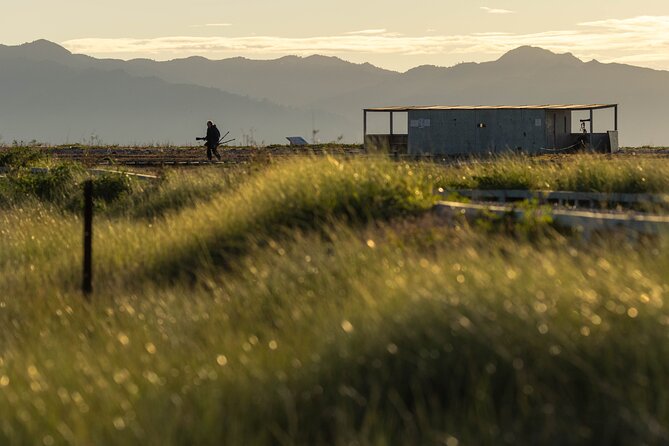
- a guided walk around Robert Findlay Wildlife Reserve
- admission included
- access to telescopes
- a structured, tide-aware chance to see shorebirds up close
If you tried to do this alone, you’d still get the views—but you’d lose the guided interpretation and the telescope support. And with shorebirds, the difference between seeing “birds over there” and seeing “those are the features that help identify species” can be huge.
So yes, I’d call it fair value, especially if you’re:
- new to shorebird watching and want a hand with identification
- coming for the migration story (particularly kuaka)
- interested in learning what an international wetland means in day-to-day bird life
- short on time but want a meaningful nature experience
The biggest practical drawback is simply the walking component. If you have mobility challenges, this tour may be hard to do comfortably since it involves moving around the reserve and reaching hides.
Should you book the guided Shorebird Centre tour?
Book it if you want a focused, guided bird experience that’s designed for real watching. The combination of telescopes, bird hides, tide-aware timing, and clear identification help makes this a smarter choice than a casual self-guided stop.
Skip it (or consider another option) if you have very limited mobility, since it’s a walking tour. Also remember the experience depends on good weather, so don’t plan it as your one “no matter what” activity on your schedule.
If you like nature when it has a story behind it—habitats, migrations, and what you can learn from standing still and looking—you’ll likely enjoy this one a lot.
More Tours Around Auckland
- Waiheke Island: Ferry & Hop-On Hop-Off Explorer Bus Tickets
★ 4.6 · 3,311 reviews - Hobbiton & Waitomo Caves Guided Day Trip from Auckland incl lunch
★ 5.0 · 2,677 reviews - From Auckland: Hobbiton & Waitomo Caves Day Trip with Lunch
★ 4.9 · 2,505 reviews - Auckland Dolphin and Whale Watching Eco-Safari Cruise
★ 4.5 · 1,790 reviews - Skydive Auckland
★ 5.0 · 1,516 reviews
Kiwi, Birds and Quiet Islands
- Auckland Dolphin and Whale Watching Eco-Safari Cruise
★ 4.5 · 1,790 reviews - Afternoon Piha Beach and Rainforest Tour from Auckland
★ 5.0 · 807 reviews - Waiheke Island: Zipline and Native Forest Adventure Trip
★ 4.9 · 695 reviews - Waitakere Ranges Wilderness Experience Tour from Auckland
★ 4.8 · 340 reviews - Coast and Rainforest Eco-Tour from Auckland with Picnic Lunch
★ 5.0 · 264 reviews
Fresh off the boat: newer Auckland tours to browse


Wildlife & Nature Reserves, compared.
 ★ 4.5Auckland Dolphin and Whale Watching Eco-Safari CruiseFrom $1351,790 reviews
 ★ 5.0Afternoon Piha Beach and Rainforest Tour from AucklandFrom $124807 reviews
 ★ 4.9Waiheke Island: Zipline and Native Forest Adventure TripFrom $89695 reviews
 ★ 4.8Waitakere Ranges Wilderness Experience Tour from AucklandFrom $119340 reviews
 ★ 5.0Coast and Rainforest Eco-Tour from Auckland with Picnic LunchFrom $192264 reviews
 ★ 5.0Piha Waitakere Rainforest Wine Tour from AucklandFrom $195201 reviews
 ★ 5.0Auckland City Highlights, Afternoon Piha Beach & Rainforest TourFrom $183134 reviews
 ★ 4.7Tiritiri Matangi Island FerryFrom $65133 reviews
Browse the lists this tour appears in