
Reviewed · HARBOUR CRUISES & SAILING TRIPS
Glass Bottom Boat Tour
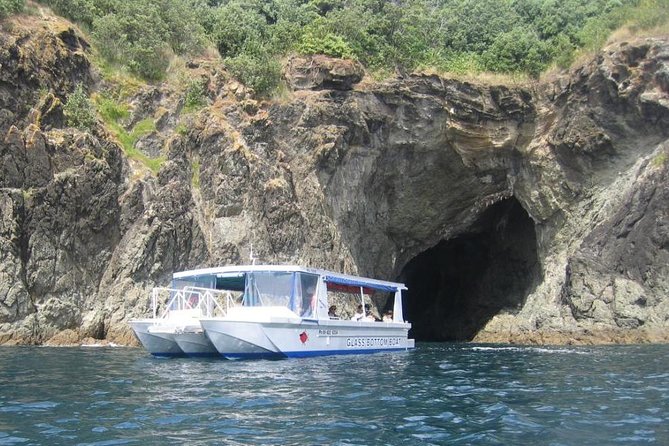
Goat Island looks different when you’re looking through glass. This one-hour cruise lets you spot marine life up close in the Goat Island Marine Reserve, plus it includes a run toward caves and offshore views like Little Barrier Island.
I especially like the close-up underwater viewing without getting wet, and the licensed guide who helps you make sense of what you’re seeing. It’s also a relaxed, family-friendly way to experience New Zealand’s first marine reserve.
One thing to keep in mind: what you see can vary. Because the reserve is open and conditions change, some days mean lots of fish, and other days mean fewer sightings—but the scenery is still excellent.
In This Review
- Key things to know before you go
- Glass-Bottom Comfort in Auckland’s Goat Island Marine Reserve
- How the 1-Hour Cruise Works: Timing and Boat-Side Viewing
- Stop One at Goat Island Marine Reserve: Fish, Rays, and Birds From Above
- What to look for (so the glass time pays off)
- Stop Two Behind Goat Island: Caves and the Key Hole by Boat
- A quick reality check on cave time
- Why This Marine Reserve Experience Feels Different From a Typical Sightseeing Trip
- Price and Value: Is $31.83 Worth It?
- Where It Fits in Your Auckland Day: Goat Island and Matakana Timing
- Tips for Families and First-Timers Watching Through Glass
- Should You Book This Glass Bottom Boat Tour?
- FAQ
- How long is the glass bottom boat tour?
- Where does the tour start and end?
- How much does it cost per person?
- What is included in the tour?
- Is there food or drink available on the boat?
- Do you need to stay at Goat Island after the tour?
- How many people are on the boat?
- Do you always see dolphins, orca, whales, or seals?
- Is the tour weather dependent?
- What is the cancellation policy?
- Is the tour suitable for families and most travelers?
Key things to know before you go
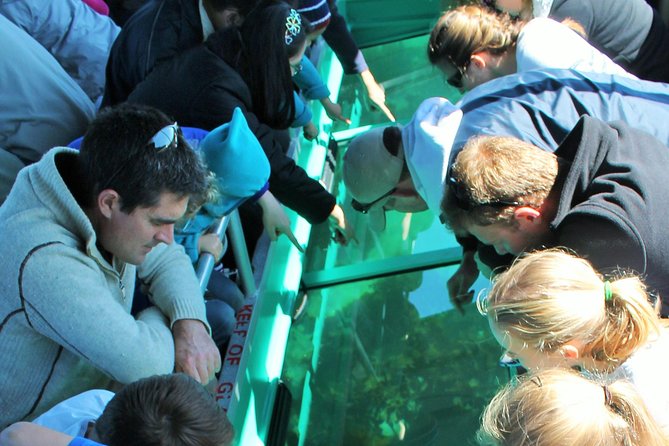
- Glass-bottom viewing from the boat: See fish from above without swimming or snorkeling.
- A working marine reserve, not an aquarium: Species vary day-to-day since the reserve is open.
- Caves you can’t reach on foot: The boat route gets you to spots like the Key Hole.
- Short and easy timing: About 1 hour total, with a simple two-part route.
- Good for families: Kids usually get excited fast when sea life appears under the glass.
Glass-Bottom Comfort in Auckland’s Goat Island Marine Reserve
If you’re staying in Auckland, this is one of the easiest ways to add real marine wildlife time without a long day out. The Goat Island area is about a half-day trip north of the city, so you can keep your schedule flexible and still feel like you went somewhere special.
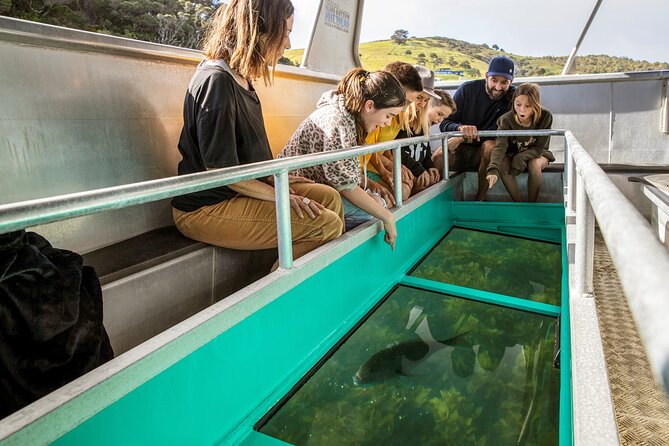
The core idea is simple: the boat has glass viewing panels. That means you get a steady, controlled look at what lives in the water around Goat Island Marine Reserve. You’re not trying to read tiny signs in a museum, and you’re not depending on good visibility from the shore. You’re watching from a moving boat, which actually helps you cover different underwater spots in a short window.
It’s also the kind of activity that scales well. If you’re traveling as a couple, it’s a pleasant change of pace from beaches and city sights. If you’re traveling with kids, it gives them something visual and immediate—fish right there under your feet, not just a story someone tells.
More time on the Waitematā: other Auckland cruises and sails
- Auckland: Whale and Dolphin Watching Half-Day Eco Cruise
★ 4.5 · 1,072 reviews - Auckland Harbour Sailboat Cruise Including Three Course Dinner
★ 4.5 · 476 reviews - America’s Cup 2-Hour Sailing Experience Waitemata Harbour
★ 4.8 · 370 reviews - Auckland: Scenic Harbour Sightseeing Cruise
★ 4.5 · 369 reviews
How the 1-Hour Cruise Works: Timing and Boat-Side Viewing
Plan on about 1 hour on the water. The route is straightforward and split into two main segments: time inside the reserve for underwater viewing, then a short cruise toward caves.
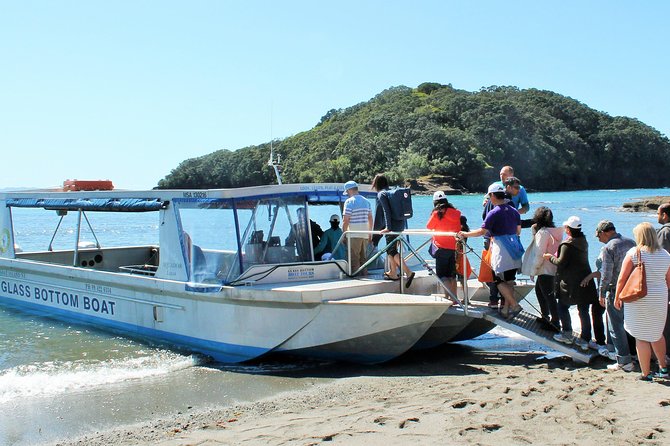
The boat holds up to 49 travelers, so you’re not stuck in a massive crowd, but you also shouldn’t expect a private feel. In practice, that’s usually fine because the glass panels and the guide’s pointing-out keep everyone engaged.
Bring the basics and keep expectations realistic. This is a marine reserve, so the experience isn’t about a staged show. It’s about being in the right place at the right time, while the guide helps you identify what’s moving through the reserve.
One practical note: you can’t bring coffee or tea onto the boat, and there’s no food/drink allowed other than water. That’s not a deal-breaker, but it’s smart to show up hydrated so you can focus on the viewing.
Stop One at Goat Island Marine Reserve: Fish, Rays, and Birds From Above
Stop one is your main viewing time inside the Goat Island Marine Reserve. The reserve is open, meaning there are no barricades to keep marine life in or out. That matters, because it directly affects what you’ll see. The species encountered can change daily, and sea and weather conditions influence where animals move.
So what might you spot? The reserve is known for fish such as snapper (including giant snapper), blue maomao, parore, red moki, goatfish, leather jackets, sweep, silver drummer, spotties, hiwi hiwi, and marble fish. Sometimes you’ll also see larger visitors like eagle rays and stingrays.
On lucky days, the list expands to bigger wildlife. You might see dolphins, orca, whales, or seals. I like framing this as a bonus rather than a requirement. It keeps the experience fun even if the day is more fish-and-seaweed heavy than mammal heavy.
You’ll also get to notice the non-fish life, which is part of what makes a reserve feel real. Underwater growth and habitat show up around the glass panels, including kina, kelp, and seaweeds, along with sponges and anemones. The point isn’t to memorize names. The point is to understand that you’re seeing an actual ecosystem, not one species floating in isolation.
Birds are part of the story too. Depending on the moment, you may see pied shags, red-billed and common seagulls, blue penguins, reef herons, terns, gannets, and petrels. A guide helps you match what’s overhead with what’s happening in the water below.
What to look for (so the glass time pays off)
You’ll get the most from the viewing if you treat it like a scavenger hunt with the guide’s help. Watch for:
- Shiny, moving silhouettes when the light hits the water
- Rays and bottom-feeders by focusing on the edges of the glass views
- Clusters of fish near natural cover, since they often use habitat as protection
This stop is also where families tend to score biggest points. Kids can watch fish pass beneath the glass without needing to manage fins, masks, or staying afloat. They simply look, point, and ask questions.
Stop Two Behind Goat Island: Caves and the Key Hole by Boat
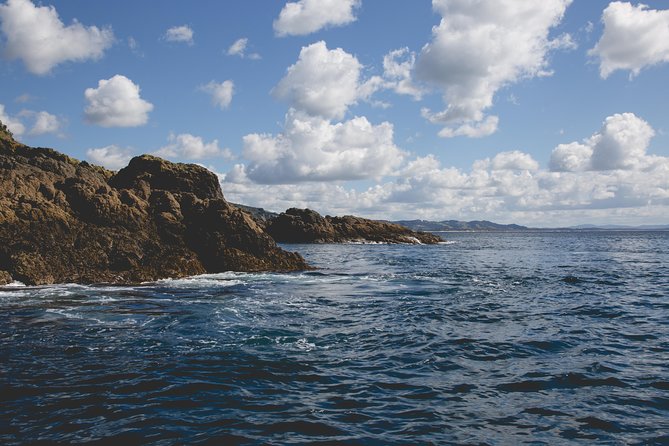
After the first viewing segment, the cruise heads toward the back of Goat Island. This is the second “wow” moment and it’s built for people who like scenery as much as wildlife.
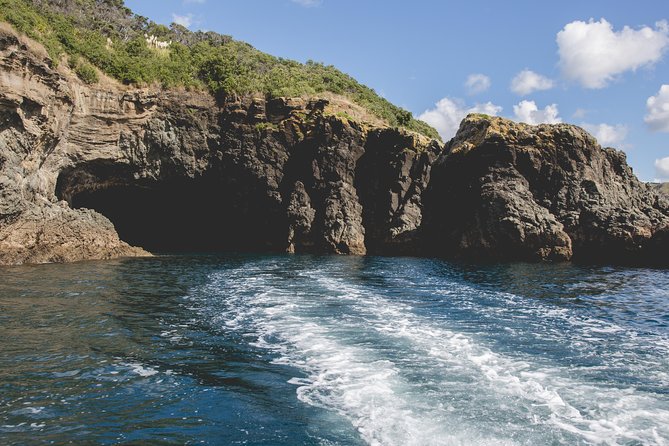
This part lasts about 10 minutes, and it targets caves. The big advantage is access. Many caves in this area are only accessible by boat, which means you’re getting a kind of route most people never do.
One standout mentioned is the famous Key Hole cave. If you’re the type who loves odd-shaped rock features and fast photo moments, this is where you’ll feel like the cruise earned its place.
You’ll also get to experience the shoreline and offshore context more directly here. The course includes views of islands off the coast, including Little Barrier Island, which helps you understand why Goat Island is such a central part of the marine reserve experience.
A quick reality check on cave time
Ten minutes sounds short because it is short. But it’s also the right length for cave cruising on a tour route. You’re not getting a long hike or a long boat circle. You’re getting a taste of dramatic coastal scenery that pairs well with the underwater viewing you already enjoyed.
Why This Marine Reserve Experience Feels Different From a Typical Sightseeing Trip
The phrase marine reserve can sound generic, but in this case it has real meaning. Goat Island Marine Reserve is New Zealand’s first marine reserve, and it’s set up as an open area where marine life can move in and out naturally.
That design leads to a key visitor experience: you aren’t seeing a fixed display. You’re seeing a living system. Fish movement changes with the day, tides, and weather, and that’s why sightings can be different from one trip to the next.
I also like how the tour balances learning with a low-stress format. You’re on a boat, but you’re not trapped in lecture mode. The guide’s job is practical: help you notice what matters under the glass, then connect it back to the reserve ecosystem.
And because you’re looking from the surface, you’re not dealing with the friction that comes with underwater activities—gear prep, getting wet, or trying to see clearly from the waterline. Your “effort cost” is low, so your attention stays on what’s happening below.
Price and Value: Is $31.83 Worth It?
At $31.83 per person for about 1 hour, this is priced like a focused activity, not a half-day expedition. The value comes from three places.
First, it’s time-efficient. You can do it even if you only have a small window between Auckland city time and other north-of-Auckland plans.
Second, it reduces friction. The glass-bottom format means you get close-looking potential without needing snorkeling skills or underwater gear. For many visitors, that’s the difference between doing it and skipping it.
Third, you get a guide and a structured route. The tour includes a licensed guide, and the two-part flow keeps things moving: main reserve viewing, then a cave segment. That structure helps you feel satisfied even if the day’s fish activity is slower.
If you’re comparing value, ask yourself this: do you want a scenic coastal cruise with marine wildlife viewing in a short, manageable package? If yes, the price makes sense. If your main goal is a guaranteed whale or dolphin encounter, you may feel frustrated—because the reserve is open and the sightings aren’t controlled.
A final small value note: there’s no need to build your day around long logistics at Goat Island itself. There are no facilities there, and the boat brings you the experience. That keeps the add-on simple.
Where It Fits in Your Auckland Day: Goat Island and Matakana Timing
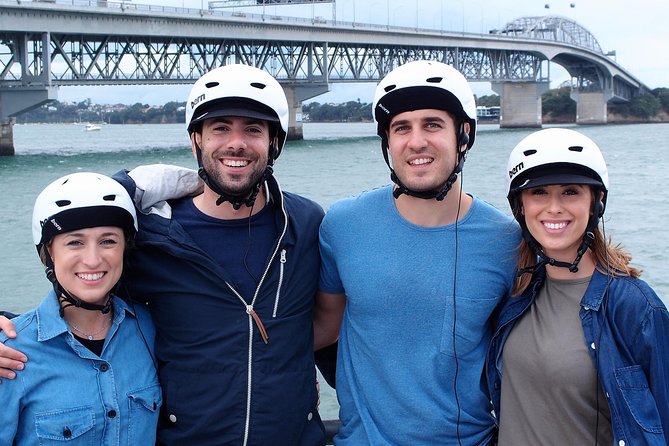
This cruise works best as a calm contrast to Auckland’s more urban feel. Goat Island and Matakana are an easy half-day trip north of the city, so you can pair the boat time with other nearby stops if you like.
Because the tour is around an hour, it’s a nice buffer day plan. If you’re not sure how your day will go, it’s easier to keep this flexible without turning everything into a rushed scramble.
Also, it’s a great choice when you want an outdoors experience but you don’t want to commit to a full hike, long boat ride, or water-based activity that can be tiring for kids or non-swimmers.
Tips for Families and First-Timers Watching Through Glass
If it’s your first time on a glass-bottom boat, you’ll get better results if you treat the experience like a guided visual show, not like you’re trying to spot everything on your own.
Here are practical tips:
- Arrive ready to look: only water is allowed on the boat, and there are no facilities at Goat Island Marine Reserve.
- Dress for being on the water: bring layers in case the breeze changes.
- Let the guide steer your attention: if you ask questions, you’ll usually get immediate identification of what you’re seeing.
- Keep expectations flexible: the reserve is open, so what’s present can shift during the day.
For families, this format tends to land well. Kids don’t have to manage snorkel gear. They can watch fish directly from their seat as the boat moves, and the glass panels make the underwater world feel close and real.
If you’re traveling with a service animal, the experience allows service animals. If you’re unsure about how that will work in terms of space, it’s still wise to plan for a moving boat environment.
Should You Book This Glass Bottom Boat Tour?
Book this if you want:
- A short, scenic Auckland-area marine activity
- Close-up wildlife viewing from the boat’s glass panels
- A guide-led experience that helps you identify fish and other sea life
- A family-friendly option where kids can see marine creatures without getting wet
I’d skip or rethink it if your trip depends on a specific animal appearing on cue. Because the reserve is open and sightings change with conditions, dolphins, orca, whales, or seals are possible, not guaranteed.
If you’re on the fence, here’s the simplest way to decide: if you enjoy the idea of seeing an ecosystem from above and learning what lives around Goat Island, this tour is a good use of an hour. It’s not about checking off one magic animal. It’s about understanding a real marine reserve and watching how active life looks beneath the surface.
FAQ
How long is the glass bottom boat tour?
It runs for about 1 hour (approx.).
Where does the tour start and end?
It starts and ends at the Goat Island Marine Reserve, Leigh 0985, New Zealand.
How much does it cost per person?
The price is $31.83 per person.
What is included in the tour?
A licensed guide is included.
Is there food or drink available on the boat?
No. No food or drink other than water is allowed on the boat. Coffee and/or tea are not included.
Do you need to stay at Goat Island after the tour?
No. The tour ends back at the meeting point, and there are no facilities at Goat Island Marine Reserve.
How many people are on the boat?
The tour has a maximum of 49 travelers.
Do you always see dolphins, orca, whales, or seals?
No. What you see can vary daily because the reserve is open and species movement depends on weather and sea conditions.
Is the tour weather dependent?
Yes. The experience requires good weather. If it’s canceled due to poor weather, you’ll be offered a different date or a full refund.
What is the cancellation policy?
You can cancel for free up to 24 hours in advance for a full refund.
Is the tour suitable for families and most travelers?
Yes. It’s described as an ideal activity for families, and most travelers can participate. Service animals are allowed.
More Tours Around Auckland
- Waiheke Island: Ferry & Hop-On Hop-Off Explorer Bus Tickets
★ 4.6 · 3,311 reviews - Hobbiton & Waitomo Caves Guided Day Trip from Auckland incl lunch
★ 5.0 · 2,677 reviews - From Auckland: Hobbiton & Waitomo Caves Day Trip with Lunch
★ 4.9 · 2,505 reviews - Auckland Dolphin and Whale Watching Eco-Safari Cruise
★ 4.5 · 1,790 reviews - Skydive Auckland
★ 5.0 · 1,516 reviews
Out on the Waitematā
- Auckland Dolphin and Whale Watching Eco-Safari Cruise
★ 4.5 · 1,790 reviews - Auckland: Whale and Dolphin Watching Half-Day Eco Cruise
★ 4.5 · 1,072 reviews - Auckland Harbour Sailboat Cruise Including Three Course Dinner
★ 4.5 · 476 reviews - America’s Cup 2-Hour Sailing Experience Waitemata Harbour
★ 4.8 · 370 reviews - Auckland: Scenic Harbour Sightseeing Cruise
★ 4.5 · 369 reviews
Fresh off the boat: newer Auckland tours to browse


Harbour Cruises & Sailing Trips, compared.
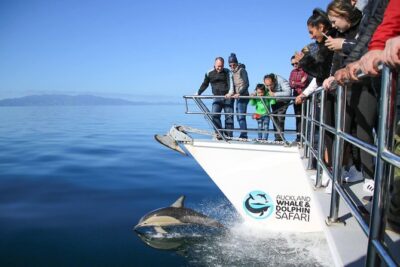 ★ 4.5Auckland Dolphin and Whale Watching Eco-Safari CruiseFrom $1351,790 reviews
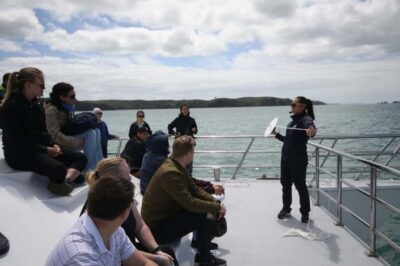 ★ 4.5Whale and Dolphin Watching Half-Day Eco CruiseFrom $1301,072 reviews
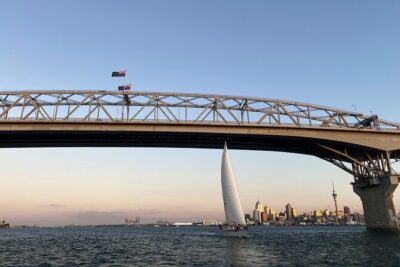 ★ 4.5Auckland Harbour Sailboat Cruise Including Three Course DinnerFrom $105476 reviews
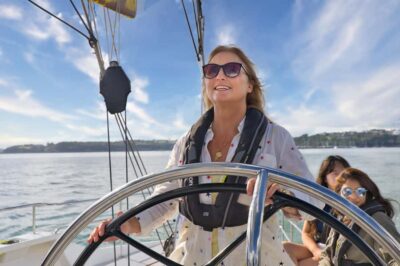 ★ 4.8America’s Cup 2-Hour Sailing Experience Waitemata HarbourFrom $125370 reviews
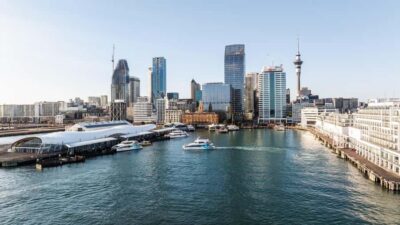 ★ 4.5Scenic Harbour Sightseeing CruiseFrom $35369 reviews
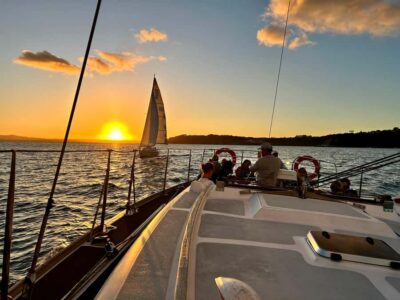 ★ 4.5Harbour Sailing Cruise with 3-Course DinnerFrom $95319 reviews
 ★ 4.7Auckland Harbour 1.5-Hour Sailing CruiseFrom $65301 reviews
 ★ 4.5America’s Cup Sailing on Auckland’s Waitemata HarbourFrom $130298 reviews
Browse the lists this tour appears in