
Reviewed · VOLCANOES & RANGITOTO ISLAND
Full-Day Grand Auckland Volcanoes Tour
Auckland’s volcanoes are everywhere here. This full-day outing strings together crater walks and sharp viewpoints across the Auckland Volcanic Field, from harbor islands to lava-tube coastlines. You also get hands-on context for how early Māori settlement and later European history fit into this volcanic terrain.
What I really like is the sheer variety: you’ll walk right up to volcanic craters (Mt Wellington, Mangere Mountain, and Mt Eden) and then shift to the sea—old lava flows, coastal features, and beach access near Takapuna.
The main drawback is also the obvious one: this is a walk-heavy 10-hour day with uphill sections and some uneven footing in spots, so plan for a real workout.
In This Review
- Key highlights and what to expect
- Auckland’s volcanoes: why this tour feels like a new way to see the city
- Getting there: port pickup, the 148 Quay Street start, and a small minivan reality
- Morning crater circuit: Achilles Point, Mt Wellington, Mangere Mountain, One Tree Hill, and Mt Eden
- Stop 1: Achilles Point (harbor islands and early Māori settlement)
- Stop 2: Mt Wellington (a 10,000-year-old volcano crater walk)
- Stop 3: Mangere Mountain (craters and Manukau Harbour views)
- Stop 4: One Tree Hill (Maungakiekie) and the British–Māori history shift
- Stop 5: Maungawhau / Mount Eden (crater rim walking and summit views)
- Lunch in Auckland Central: how to use your one hour well
- Lake Pupuke and Takapuna’s lava coast: the afternoon’s “Auckland is made of fire” stretch
- Stop 6: Lake Pupuke (a crater transformed into freshwater)
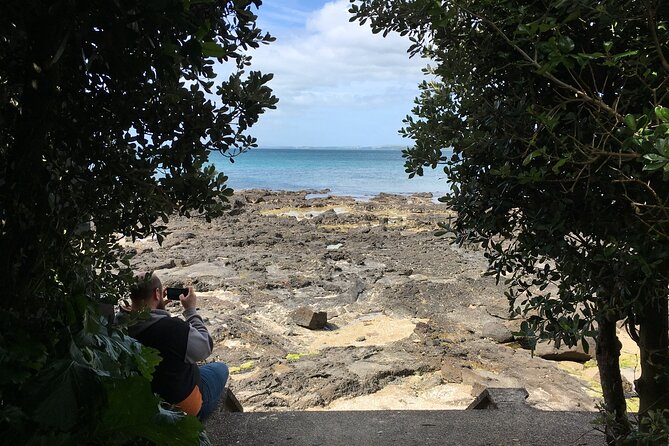
- Stop 7: Takapuna Beach (lava flows, tree moulds, and lava tubes)
- North Head Historic Reserve: tunnels, guns, and Devonport’s optional Mt Victoria view
- Stop 8: North Head Historic Reserve (fortress built into a volcano)
- Devonport: historic houses and an optional Mt Victoria climb
- What the guide ties together: volcano geology plus Māori and later history
- Walking, shoes, and weather: how to prepare for a true 10-hour day
- Price and value: what you get for $179.97 on a full-day Auckland volcano route
- Should you book the Grand Auckland Volcanoes full-day tour?
- FAQ
- How long is the Grand Auckland Volcanoes full-day tour?
- What time does the tour start?
- Where do I meet the group?
- Is port pickup and drop-off included?
- Is food included?
- Do I need to print a ticket?
- What walking level should I expect?
- Are admission tickets included?
- How big is the group?
- Can I cancel if plans change?
Key highlights and what to expect
- Port-friendly timing: pickup and drop-off work well if you’re arriving by cruise
- Views at multiple elevations: harbor islands, skyline angles, and crater-top perspectives
- A crater-to-coast storyline: you’ll see how volcano landforms shaped Auckland’s modern neighborhoods
- Small group size: capped at 11 travelers, so the day feels more personal than big-bus tours
- Hands-on exploration: optional crater entries and short walks like the lava-coast stretch near Takapuna
- North Head’s fortress-in-volcano setting: tunnels and guns carved into volcanic rock
Auckland’s volcanoes: why this tour feels like a new way to see the city
Auckland can look flat until you understand the ground beneath you. This tour teaches you to read the city like geology, not just street names—harbor islands, crater rims, and lava-rock coastlines all connect back to volcanic events.
What makes it work is the pacing. You’re not bouncing between one random viewpoint and the next; you’re moving through a sequence of volcanic sites that each has a different “chapter” in the story. That’s why this tour is such a strong choice if you want one day that changes how you understand Auckland.
More cones and craters around Auckland to climb
- Sunset kayak tour to Rangitoto Island
★ 5.0 · 168 reviews - Half-Day Volcano Tour from Auckland
★ 5.0 · 124 reviews - Auckland to Rangitoto Island Ferry
★ 4.0 · 109 reviews - Auckland: Inner-City Glowworm Experience in Ancient Volcano
★ 4.8 · 109 reviews
Getting there: port pickup, the 148 Quay Street start, and a small minivan reality
The day starts at 8:00 am at 148 Quay Street in Auckland Central. If you’re cruising, port pickup and drop-off are included, which is a big value add because you’re not planning transport on your own.
You’ll travel by minivan with a maximum group size of 11. That small size is a plus for getting answers, but the trade-off is space—one past rider noted the van seating can feel tight when it’s full. If you’re taller or you like leg room, it’s worth dressing in layers and bringing a comfortable position early so you’re not thinking about your seat all day.
Morning crater circuit: Achilles Point, Mt Wellington, Mangere Mountain, One Tree Hill, and Mt Eden
The morning is built for views first, learning second, and walking in between.
Stop 1: Achilles Point (harbor islands and early Māori settlement)
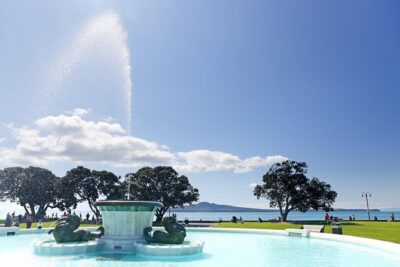
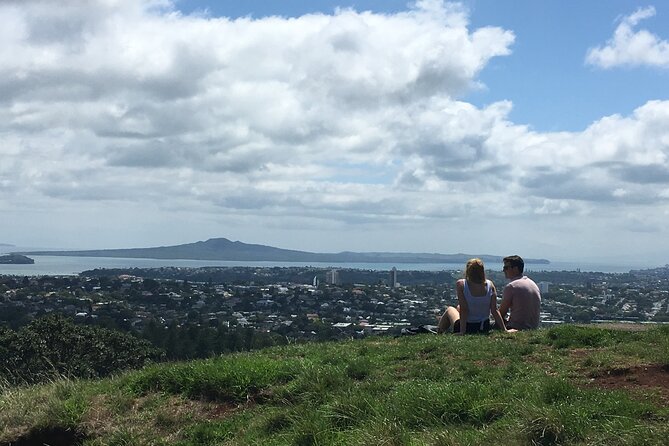
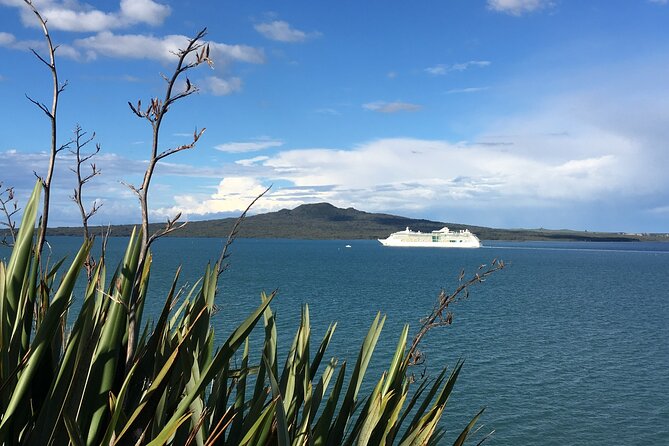
You start at Achilles Point for panoramic looks across the Hauraki Gulf, including volcanic islands such as Rangitoto and Motukorea. This is where you get the “Auckland is volcanic” framing fast, plus context for early Māori arrival patterns in the region. Expect big sightlines and a little time to soak it in.
Small tip: if the weather is clear, this is the moment to take your wide skyline and harbor photos before the day’s walking adds fatigue.
More ways to see Auckland in a day
Stop 2: Mt Wellington (a 10,000-year-old volcano crater walk)
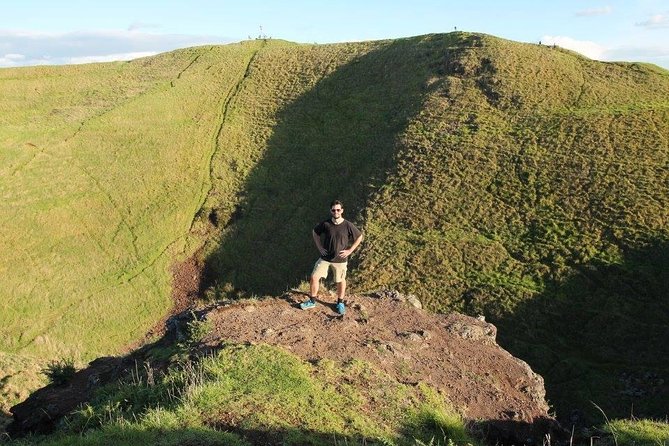
Next up is Mt Wellington, where you walk to the crater near the peak of a volcano estimated at 10,000 years old. You’ll learn how the Auckland Volcanic Field formed, plus how Māori settlement relates to volcanic landforms. There’s also an option to enter the crater if you want that extra level of up-close exploration.
This stop is one of the best reasons to choose the full day. It gives you a crater experience that feels more “geology field trip” than “viewing platform.”
Stop 3: Mangere Mountain (craters and Manukau Harbour views)
At Mangere Mountain, you’ll walk around craters and take in views toward Manukau Harbour. You’ll also get more context on a large Māori settlement tied to the volcano. The terrain here is part of the point: you’ll feel how volcanic shapes guide movement, sightlines, and where people historically chose to live.
Stop 4: One Tree Hill (Maungakiekie) and the British–Māori history shift
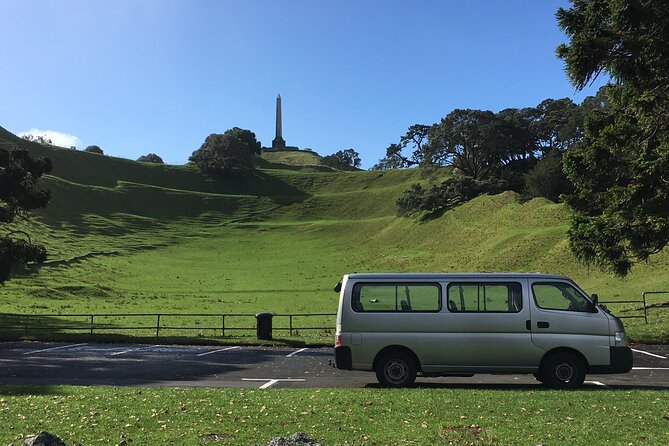
At One Tree Hill (Maungakiekie), you’ll get a history summary that focuses on early interaction between the British and Māori, tied to this high point in the city. The tour then drives around Cornwall Park, where you’ll see additional volcanic craters from the road.
This is a good stop if you like context that goes beyond rocks. Even if you don’t memorize dates, you’ll start connecting volcanic geography with where power, settlement, and navigation mattered.
Stop 5: Maungawhau / Mount Eden (crater rim walking and summit views)
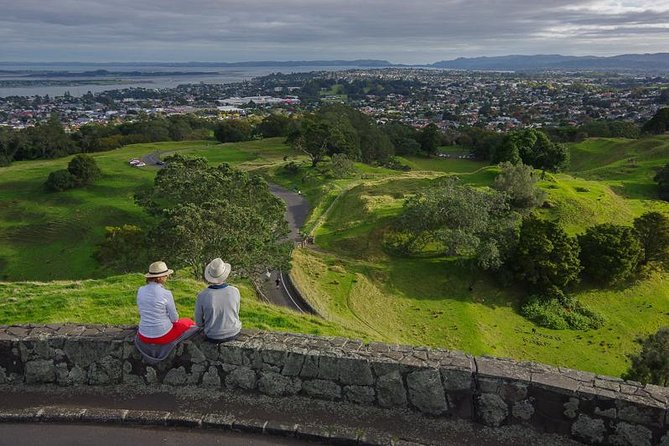
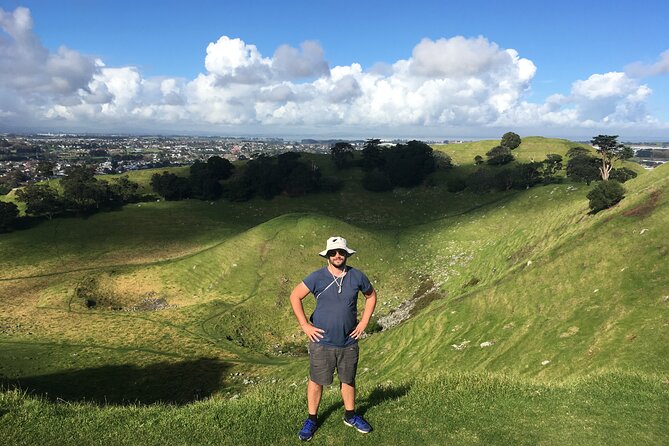
At Mount Eden (Maungawhau), you’ll walk around the crater and then enjoy summit views over Auckland and the surrounding volcanic features. This is a “big payoff” stop—clear days make it even better, and cloudy days still work because you can focus on shape and elevation.
If you’ve ever stood at the wrong angle and wondered why a viewpoint didn’t look impressive, this stop fixes that. You get the crater geometry and then the city scale right after.
Lunch in Auckland Central: how to use your one hour well
Lunch is in Auckland City, with about one hour on your own at a location of your choosing. Food and drinks are not included, so it’s on you to pick a spot that matches your walking tolerance.
My advice: keep lunch close to where you’ll rejoin the group. You don’t want to spend the best part of your rest break crossing town. If weather turns, you’ll also appreciate choosing somewhere with covered entrances and easy restrooms.
Lake Pupuke and Takapuna’s lava coast: the afternoon’s “Auckland is made of fire” stretch
After lunch, the vibe shifts from crater-top views to volcanic forms you can see along the sea.
Stop 6: Lake Pupuke (a crater transformed into freshwater)
At Lake Pupuke, you’ll learn about a huge volcanic explosion crater that’s now a fresh-water lake. This is one of those stops that helps the city make sense in a new way: volcanoes don’t just leave destruction behind—they can become part of everyday life.
You’ll have shorter time here (about 15 minutes), so focus on photos and getting the “crater origin” idea locked in.
Stop 7: Takapuna Beach (lava flows, tree moulds, and lava tubes)
Near Takapuna Beach, the tour focuses on old lava flows and multiple volcanic features along the coastline. You’ll see things like tree moulds and lava tubes, then have the option of a walk along the beach (the time window is about 45 minutes).
This is the part I’d call most memorable if you like natural details. Beach walking here is not about long distance—it’s about spotting features and understanding what you’re looking at.
Photo tip: take a moment before you start walking to check the wind. Coastal sections can get breezy, and you’ll want your camera/phone ready without juggling your stuff.
North Head Historic Reserve: tunnels, guns, and Devonport’s optional Mt Victoria view
The afternoon continues with history layered onto volcanic rock.
Stop 8: North Head Historic Reserve (fortress built into a volcano)
At North Head Historic Reserve, you’ll explore tunnels and see the guns at a British military fortress built into volcanic terrain. The walk is described as an easy circuit around the periphery of the volcano, with harbor and city views.
Even if military history isn’t your thing, the setting is. It’s a reminder that volcanoes shaped not just scenery but also defense strategies and movement corridors.
Devonport: historic houses and an optional Mt Victoria climb
Then you’ll see Devonport, known for its historic houses. You’ll also have an optional chance to walk up to Mt Victoria for more views of the city.
At day’s end, you’re driven back toward the city (including the option of returning over the Auckland Harbour Bridge). If you prefer, there’s also an option to stay in Devonport and take the ferry back to Auckland.
If you’re choosing the ferry option, plan a little buffer. One rider reported the ferry timing didn’t match expectations. Even if it runs frequently, delays happen on real days.
What the guide ties together: volcano geology plus Māori and later history
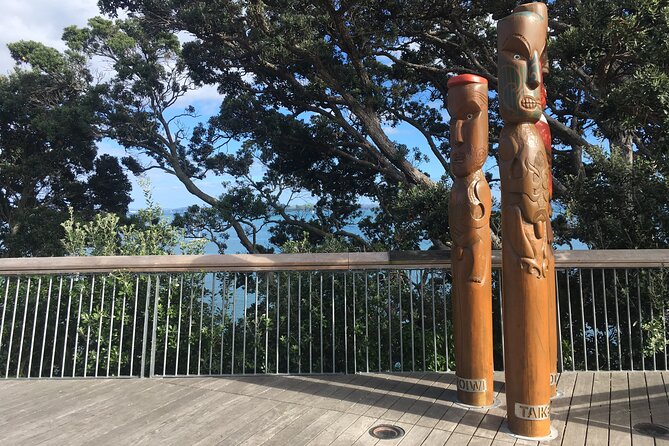
This tour doesn’t treat volcanic landforms as random trivia. It repeatedly connects geology to settlement and daily life—how people moved through the terrain, why certain vantage points mattered, and how volcanic craters shaped human choices.
You’ll hear a Māori-focused explanation of settlement around volcanoes, including context at stops like Mt Wellington, Mangere Mountain, and One Tree Hill. You’ll also hear European-era history at points like One Tree Hill (British–Māori interaction) and North Head (British military fortifications).
Quick note for cultural expectations: the tour presents the guide’s perspective on Māori history and culture. If you strongly prefer to hear from Māori voices themselves through dedicated cultural experiences, you may want to pair this with at least one separate, community-led activity during your trip.
Walking, shoes, and weather: how to prepare for a true 10-hour day
This is not a sit-and-watch tour. You’ll do lots of walking, including uphill sections near crater areas, with some optional “extra steps” like entering a crater or walking a beach stretch.
Your best bet is simple: comfortable enclosed walking shoes with grip. One rider specifically advised using comfortable enclosed shoes, and other feedback mentioned steep paths and some unsure footing in places. If balance isn’t your strong suit, take the optional routes only when conditions feel safe.
Weather also matters. The tour operates in all weather conditions, so bring rain gear or a warm layer. Even in rain, the tour can still be enjoyable because crater shapes and rock textures show through, but you’ll want footwear and outer layers that handle wet ground.
Price and value: what you get for $179.97 on a full-day Auckland volcano route
At $179.97 per person for about 10 hours, you’re paying for transportation, a guided route across multiple volcanic sites, and ticketed access at many stops. Admission tickets are included for the named scenic locations (most stops list included admission), and port pickup and drop-off are included too.
Food and drinks are not included, so you’ll need to budget lunch. Still, the value usually comes from the fact that you’re seeing a lot of geographically separated sites in one coordinated day, without needing to drive yourself or figure out parking.
If you’re visiting for a short time, this is often one of the more efficient “high-impact” ways to understand Auckland quickly. If you already know Auckland’s volcano basics and you hate walking, you might prefer a shorter option—but for first-timers who want real context and real viewpoints, the full day is the better deal.
Should you book the Grand Auckland Volcanoes full-day tour?
Book this tour if you want one day that turns Auckland into a geology lesson you can carry in your head. It’s especially worth it if you like crater walks, coastal lava features, and panoramic city/harbor views, and you’re okay with a steady amount of hiking.
Skip or adjust expectations if you’re looking for minimal walking or purely “flat” sightseeing. The day runs about 10 hours, and you’ll move between multiple stops plus spend time walking around crater rims and along rocky or uneven areas.
If you’re the kind of traveler who enjoys stopping to look at rock shapes and asking why something is where it is, you’ll likely feel like this is a standout Auckland experience. And with a small group size and pickup convenience (including for cruise passengers), it’s a practical way to get a lot of Auckland into one well-paced morning-to-afternoon arc.
FAQ
How long is the Grand Auckland Volcanoes full-day tour?
It runs for about 10 hours.
What time does the tour start?
The start time is 8:00 am.
Where do I meet the group?
You meet at 148 Quay Street, Auckland Central, Auckland 1010.
Is port pickup and drop-off included?
Yes. Port pickup and drop-off are included.
Is food included?
No. Food and drinks are not included. Lunch is on your own during the 1-hour break in Auckland City.
Do I need to print a ticket?
No. A mobile ticket is offered.
What walking level should I expect?
The tour requires moderate physical fitness. Expect lots of walking, including uphill sections around craters.
Are admission tickets included?
Yes. Admission tickets are included for the stops listed throughout the day (while lunch is not included).
How big is the group?
The tour has a maximum of 11 travelers.
Can I cancel if plans change?
Yes. Free cancellation is available up to 24 hours in advance for a full refund. If canceled due to poor weather, you’ll be offered a different date or a full refund.
More Tours Around Auckland
- Waiheke Island: Ferry & Hop-On Hop-Off Explorer Bus Tickets
★ 4.6 · 3,311 reviews - Hobbiton & Waitomo Caves Guided Day Trip from Auckland incl lunch
★ 5.0 · 2,677 reviews - From Auckland: Hobbiton & Waitomo Caves Day Trip with Lunch
★ 4.9 · 2,505 reviews - Auckland Dolphin and Whale Watching Eco-Safari Cruise
★ 4.5 · 1,790 reviews - Skydive Auckland
★ 5.0 · 1,516 reviews
Seeing Auckland in a Day
- Waiheke Island: Ferry & Hop-On Hop-Off Explorer Bus Tickets
★ 4.6 · 3,311 reviews - Auckland Explorer: Sightseeing Hop-on Hop-off Tour
★ 4.0 · 1,180 reviews - Half-day Discover Auckland City Sightseeing Tour
★ 5.0 · 1,080 reviews - Auckland: Hop-On Hop-Off Explorer Bus Ticket
★ 4.4 · 1,064 reviews - Auckland Scenic Half-Day City Sightseeing Tour
★ 4.8 · 532 reviews
Climbing Auckland's Volcanoes
- Sunset kayak tour to Rangitoto Island
★ 5.0 · 168 reviews - Half-Day Volcano Tour from Auckland
★ 5.0 · 124 reviews - Auckland to Rangitoto Island Ferry
★ 4.0 · 109 reviews - Auckland: Inner-City Glowworm Experience in Ancient Volcano
★ 4.8 · 109 reviews - Day sea kayak tour Rangitoto Island
★ 5.0 · 79 reviews
Fresh off the boat: newer Auckland tours to browse


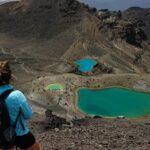
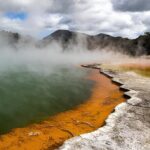
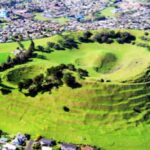
Volcanoes & Rangitoto Island, compared.
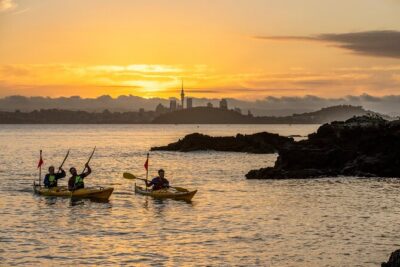 ★ 5.0Sunset kayak tour to Rangitoto IslandFrom $152168 reviews
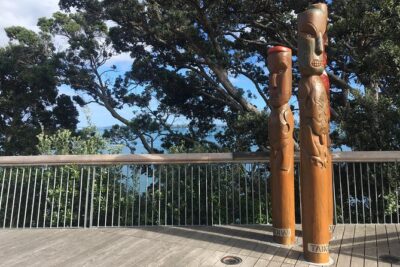 ★ 5.0Half-Day Volcano Tour from AucklandFrom $94124 reviews
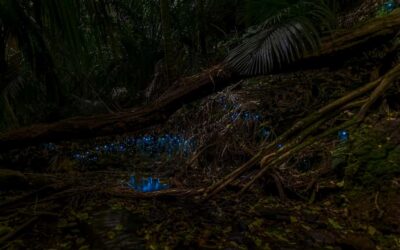 ★ 4.8Inner-City Glowworm Experience in Ancient VolcanoFrom $35109 reviews
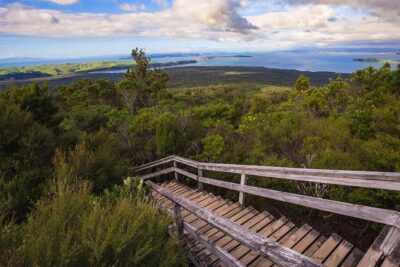 ★ 4.0Auckland to Rangitoto Island FerryFrom $37109 reviews
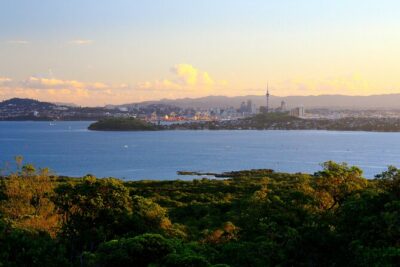 ★ 5.0Day sea kayak tour Rangitoto IslandFrom $15279 reviews
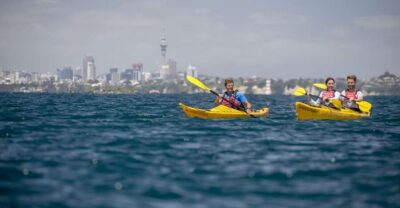 ★ 5.0Sunset & Night Sea Kayak Tour to Rangitoto IslandFrom $13860 reviews
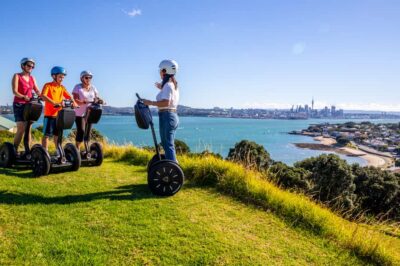 ★ 4.9Segway to North Head Volcano Summit53 reviews
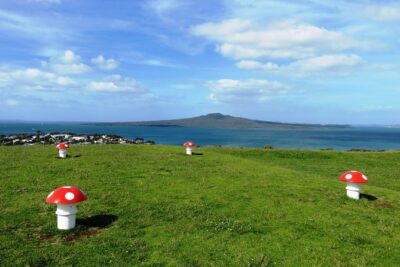 ★ 5.0Guided Segway Tour to the summit of Mt Victoria in Devonport AucklandFrom $8948 reviews
Browse the lists this tour appears in