

Reviewed · ROTORUA GEOTHERMAL ESCAPES
AKL: Te Puia Maori Haka, Kiwi Birds, Redwood & Blue Springs
Rotorua shows up in all its moods in one day. I like the guided Te Puia focus on Pōhutu Geyser and mud pools, plus the Māori performance. I also love the mix of walking time at the Redwood Forest and the cool, clear Putāruru Blue Spring. The main thing to consider is the early start and the fact that it’s a long day with guided timing, so you’ll need patience if you prefer lingering.
What makes this outing practical is the door-to-door feel: hotel pickup from Auckland CBD or Airport hotels, then a steady bus route through the Waikato. You’ll get a proper geothermal and culture program at Te Puia (with Kiwi Conservation Centre included), and you won’t have to waste time on entry tickets. Still, you’re joining a group, so your experience will depend on your guide’s style and how interactive they make it.
One more note: the day is built for comfortable walking, and it’s flagged as not suitable for people with back problems. Also, wheelchair info in the listing is mixed (it says wheelchair accessible, but also notes wheelchair users), so it’s worth checking directly before you book. English is the tour language, which helps keep the explanations flowing.
In This Review
- Key points to know before you go
- How the Auckland-to-Rotorua timing really feels
- Te Puia Rotorua: Pōhutu Geyser, mud pools, and a guided geothermal walk
- Kiwi Conservation Centre: the best way to see kiwis on a day trip
- Māori Arts & Crafts Institute and the Te Aronui a Rua performance
- Haka and pōhiri: how to watch respectfully (and get more out of it)
- Whakarewarewa Redwood Forest: the peaceful walk between big trees
- Putāruru Blue Spring (Te Waihou Walkway): 11°C clarity on a short riverside walk
- Price and logistics: is $226 good value for 12 hours?
- Group pace, guide style, and breaks that matter
- What to bring so you enjoy every stop
- Should you book this Rotorua day trip with ENZOY Tours?
- FAQ
- What time does pickup start from Auckland CBD and Auckland Airport hotels?
- How long is the Rotorua day trip?
- What does the Te Puia guided experience include?
- Do I see the kiwi birds?
- Is lunch included in the price?
- Is there walking time at the Redwood Forest and Blue Spring?
- What should I bring for this trip?
- Are there any rules about smoking?
- Is there free cancellation, and until when?
- Is the tour language English?
Key points to know before you go
- Te Puia is fully guided, with set timing around the geothermal sights and the Māori show.
- Pōhutu Geyser and mud pools are the star stops, with a guide to make sense of what you’re seeing.
- Kiwi Conservation Centre gives you the best shot to spot New Zealand’s national bird during the day.
- Redwood Forest is a free walk with tall trees and photo-friendly breaks.
- Putāruru Blue Spring stays a cool 11°C year-round and has a short, easy riverside walk.
- Early pickup + long drive means bring water and snacks if you get hungry between stops.
How the Auckland-to-Rotorua timing really feels
This trip is built around getting you out of Auckland early, then packing in Rotorua’s top highlights before heading back to the city at night. Pickup starts around 5:45–6:00 AM from Auckland CBD or 6:15–6:30 AM from Airport hotels, and you’ll spend time on the road through the Waikato countryside.
Expect the day to feel like a full commitment. You’re looking at a big chunk of travel time before Te Puia, then shorter stops for food breaks, photos, and walking. The good part is that you don’t have to plan anything once you’re in the bus: everything runs on a schedule, and you’re dropped back where you started near 6:00 PM.
There’s a quick stop in Tirau, known for its quirky corrugated iron sculptures and dog- and sheep-shaped buildings. It’s short (about 15 minutes)—just enough to stretch, grab a coffee, and reset your brain for the Rotorua run.
Still after the geysers? More Rotorua runs from Auckland
- Waitomo Caves & Rotorua – Te Puia Small-Group Tour from Auckland
★ 4.5 · 681 reviews - Auckland: Hobbiton, Rotorua and Wai-O-Tapu Day Tour
★ 4.8 · 458 reviews - Hobbiton & Rotorua including Wai-O-Tapu – Small Group Tour from Auckland
★ 5.0 · 450 reviews - Rotorua Highlights Tour from Auckland with Optional Extras
★ 5.0 · 373 reviews
Te Puia Rotorua: Pōhutu Geyser, mud pools, and a guided geothermal walk
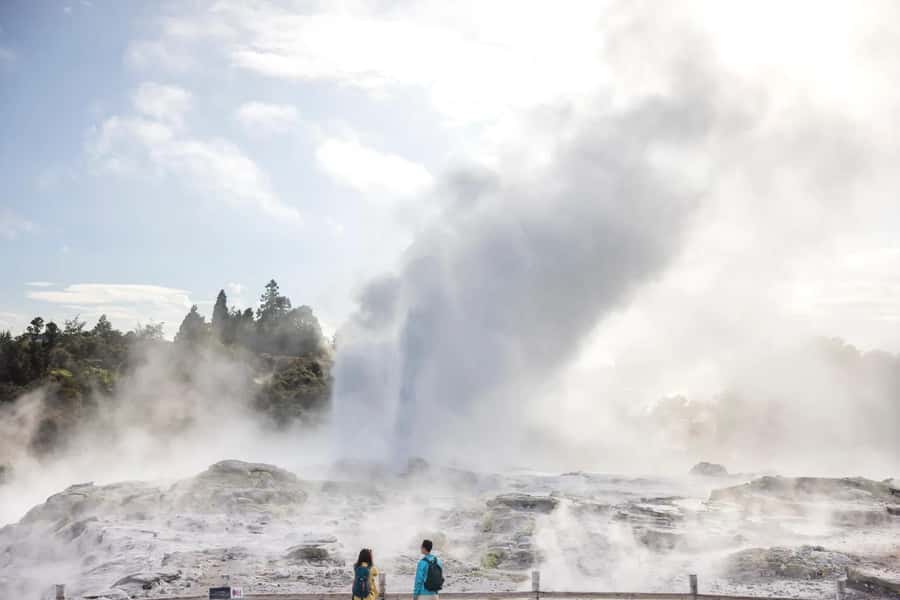
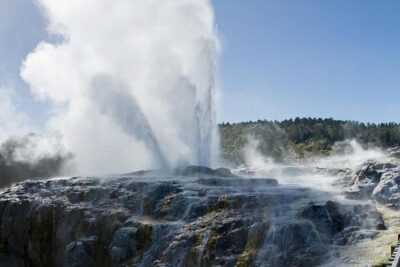
Te Puia is Rotorua’s geothermal “why are there so many steam vents here” answer. You’ll arrive with a guide, and your time at Te Puia is structured so you don’t wander around without context. The Pōhutu Geyser is the headline. It’s described as the largest in the Southern Hemisphere, so even if you’ve seen geysers before, this one tends to land differently because of its scale and drama.
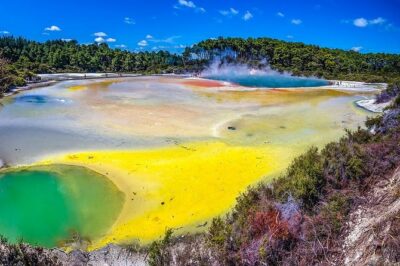
Along the way, you’ll see bubbling mud pools, steaming vents, and all the textures geothermal areas are famous for: hot surface crust, shifting steam, and the kind of color that looks staged but isn’t. The guide’s job is to connect the dots—how the geothermal system works, why the area looks the way it does, and what’s being protected.
A practical tip: wear shoes you can trust on uneven, damp ground. You’ll likely move at an easy-to-moderate pace, but geothermal parks aren’t flat, dry museums. Also, Te Puia experiences are now guided, and the geothermal guiding is set around 90 minutes, so arrive early. You’re asked to show up about 15 minutes before your scheduled time so you don’t get rushed at the start.
Kiwi Conservation Centre: the best way to see kiwis on a day trip
Rotorua’s Kiwi Conservation Centre is included in this day, and that matters. In New Zealand, kiwis are famously hard to see in the wild, mostly because they’re nocturnal and secretive. Here, the experience is designed to help you actually get eyes on them during the hours you’re in Rotorua.
What I like about this stop is that it’s not just a quick “look and go” moment. The centre’s purpose is conservation-focused, so you get a bit more meaning than ticking a box. You’ll learn what’s being done to protect kiwi and why human help is necessary for birds that struggle outside their natural range.
One tip: don’t assume your kiwi moment will be instant. If the centre is busy, be ready to wait patiently. Bring a camera if you can, but also give your eyes time to adjust so you can spot subtle movement.
Māori Arts & Crafts Institute and the Te Aronui a Rua performance
Te Puia isn’t only about steam. You’ll also spend time with Māori cultural education and live performance.
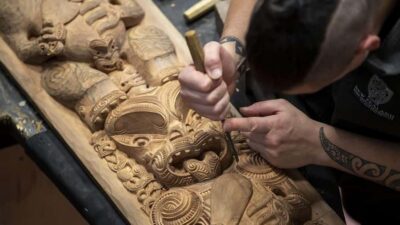
At the New Zealand Māori Arts and Crafts Institute, you can see how traditional carving and weaving are practiced. This isn’t just watching products being made; it’s about understanding the skills carried forward by artisans. If you’ve ever wondered why some patterns and forms matter so much, this is a good place to get oriented.
Then comes the bigger moment: a cultural performance in the Te Aronui a Rua meeting house. The content is clear and specific: you’ll experience a traditional pōhiri (welcome), plus waiata (song), mōteatea (chant), poi dance, and the stirring haka. It’s a performance you should treat like a live cultural event, not background entertainment.
Arrive with the right mindset. Keep your phone away unless it’s clearly appropriate, and let the rhythm of the room guide you. Even if you don’t know the words, you’ll feel the structure: call, response, music, movement, and then that haka intensity that people talk about long after they leave.
More kiwi, birds and island reserves near Auckland

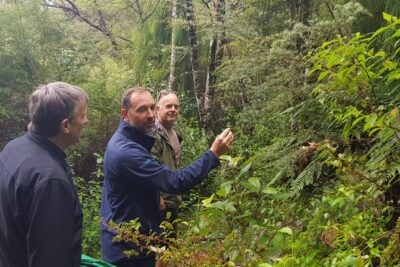
Haka and pōhiri: how to watch respectfully (and get more out of it)
If you’re not used to Māori performance, it helps to know what you’re seeing. The pōhiri is not random theater. It’s a welcome ritual with meaning, and it sets the tone for the rest of the program. The waiata and mōteatea are the musical backbone, and the poi dance adds tempo and physical storytelling.
And yes, the haka is the part many people remember most. But the best way to enjoy it is to watch the full arc, not only the loudest moment. Pay attention to who leads, how the group responds, and how the meeting house setting shapes the sound. You’ll likely come away with a stronger feel for how performance works as communication.
There’s also a timing detail you’ll want to respect. You’re asked to arrive early, and lunch is available on-site for your own cost. Plan for that so you’re not hungry or flustered when the welcome begins.
Whakarewarewa Redwood Forest: the peaceful walk between big trees
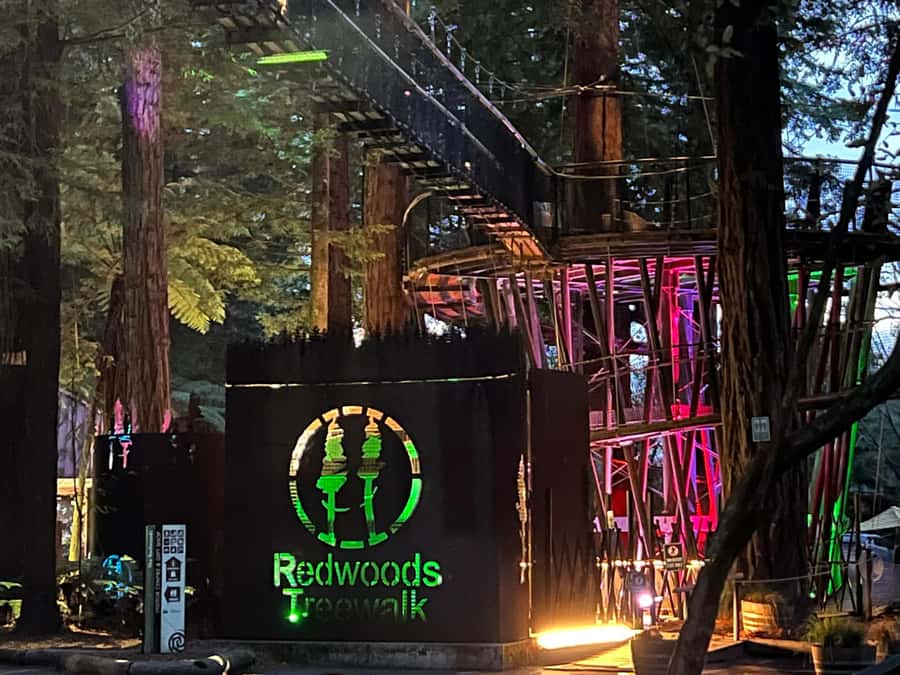
After Te Puia, you’ll get Rotorua’s nature side. You’ll stop for a photo-and-walk moment in the Redwood Forest. The walk is described as free, so you can move at your own pace within the time you have.
This is where the day changes tone. You go from geothermal intensity and performance energy to shade, tall trunks, and that quiet feeling you get when ferns and leafy undergrowth make the light feel softer. Expect photo opportunities in all directions. The trees are noted as Californian redwoods, so this isn’t “New Zealand forest vibes” so much as a dramatic, almost cathedral-like stand.
If you’re sensitive to walking distance, you can still enjoy it. You don’t need to sprint off the bus for every viewpoint. Even a slower loop makes a difference, because it gives your body a break from bus seats and your eyes a break from steam and stone colors.
Putāruru Blue Spring (Te Waihou Walkway): 11°C clarity on a short riverside walk
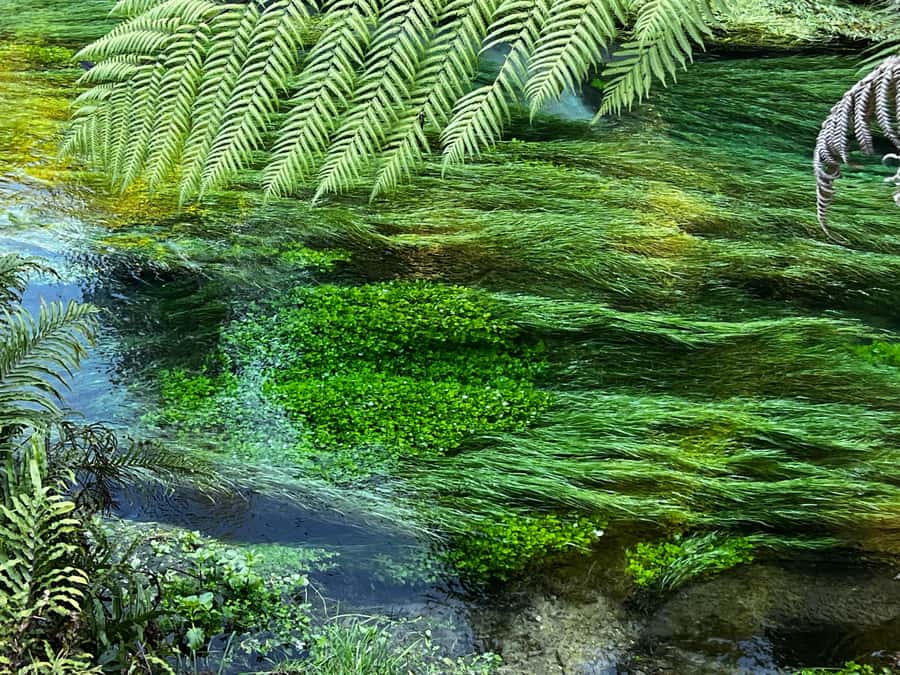
Then comes one of the most refreshing stops of the day: Putāruru Blue Spring, also known as Te Waihou Walkway. This is the part that feels almost unreal after geothermal sights. The water is described as crystal clear and turquoise, with a cool temperature of about 11°C year-round.
Here’s a detail that makes the stop more than just pretty water: the spring’s clarity is credited to filtering through underground rock for up to 100 years. So when you’re looking at that still, bright surface, you’re seeing the result of a long natural filtering process—not just a simple spring.
You’ll have a short walk along the Waihou River. It’s the kind of stroll that balances effort and payoff. You’ll get bush, farmland, and wetland views around you, and it’s a great photo break without feeling like a hike.
Practical note: water makes things damp. Bring shoes that don’t mind moisture, and watch your footing on any slick edges near the stream.
Price and logistics: is $226 good value for 12 hours?
At $226 per person for a 12-hour full-day loop, the real question is what you’re paying for: convenience, expert guiding, and the specific combination of sights.
You’re not just buying entry to one place. You’re getting:
- Hotel pickup and drop-off in Auckland (CBD or Airport hotels)
- Round-trip transportation by bus
- Guided Te Puia geothermal and cultural content
- Kiwi Conservation Centre access
- A Māori cultural performance at Te Aronui a Rua
- Included stops for Redwood Forest walk and Putāruru Blue Spring
That bundle is the value play. If you tried to stitch together Te Puia, kiwi viewing, and a guided performance yourself—plus then coordinate a redwood walk and Blue Spring on the same day—you’d likely spend more time and money juggling transport and tickets.
That said, the day is long. If you’re the type who hates being on a schedule, you might feel the cost as “paid for pace.” The people who enjoy structured itineraries and want a first taste of Rotorua tend to feel the money is well spent.
Group pace, guide style, and breaks that matter
A day trip like this succeeds or fails on the balance between sightseeing and breathing room. The structure gives you breaks at logical points—especially early in the day during the Tirau stop. On the back half, you’re mostly dealing with short guided moments and then short walk windows.
Guide style can make a big difference. In past experiences with ENZOY Tours, guides such as MANAKI have been praised for respectful, detailed explanations with a sense of humor. At the same time, another guide named Sid was described as friendly but leaning more toward a driver role, using a prerecorded audio for some history. That doesn’t mean the tour is bad—it means you should mentally prepare for a mix of live guiding and recorded support.
My advice: bring your questions. If you’re curious about geothermal mechanisms or Māori cultural context, ask. Even a tour that uses some prerecorded narration can still become more rewarding when you engage.
Also note the physical side. This outing is described as wheelchair accessible, but also flagged as not suitable for wheelchair users. It’s also not suitable for people with back problems. If mobility or comfort is a concern for you, contact the operator before booking so you’re not guessing about terrain and pace.
What to bring so you enjoy every stop
This is one of those days where the right basics keep it easy. I’d pack:
- Comfortable shoes with good grip
- Water and something small to eat if you get snack cravings
- Hat, sunscreen, and weather-appropriate layers
- Camera (the geothermal steam scenes and Blue Spring colors are photo-friendly)
- A small day bag so you’re not juggling items between bus stops
One “don’t” is simple: no smoking on the tour.
Should you book this Rotorua day trip with ENZOY Tours?
Book it if you want a high-impact Rotorua introduction without planning. This is a strong fit for first-time visitors who want geothermal sights, kiwi conservation, and Māori performance in a single day, plus a nature palate cleanser at the redwoods and Blue Spring.
Don’t book it (or at least ask questions first) if you:
- Need a lot of quiet time or dislike fixed schedules
- Have back issues or mobility limits
- Want a slower, more independent exploration style rather than a guided run
If you’re flexible, the overall logic is solid: geothermal intensity at Te Puia, cultural meaning through arts and the show, then calmer breathing space with trees and turquoise water.
FAQ
What time does pickup start from Auckland CBD and Auckland Airport hotels?
Pickup from Auckland CBD is listed as 5:45–6:00 AM, and pickup from Auckland Airport hotels is listed as 6:15–6:30 AM.
How long is the Rotorua day trip?
The tour duration is listed as 12 hours.
What does the Te Puia guided experience include?
At Te Puia, you’ll join a guided geothermal experience with time at Pōhutu Geyser, mud pools/steaming vents, and the Kiwi Conservation Centre, plus Māori arts and crafts and a cultural performance.
Do I see the kiwi birds?
Yes. The itinerary includes a visit to the Kiwi Conservation Centre.
Is lunch included in the price?
Lunch is not included. There is lunch available at Te Puia cafés/restaurants, but it’s at your own expense.
Is there walking time at the Redwood Forest and Blue Spring?
Yes. You’ll have a free walk/photo opportunity in the Redwood Forest and a short walk at Putāruru Blue Spring (Te Waihou Walkway).
What should I bring for this trip?
Bring comfortable shoes, a hat, camera, sunscreen, water, and weather-appropriate clothing.
Are there any rules about smoking?
Yes. Smoking is not allowed.
Is there free cancellation, and until when?
Free cancellation is listed as available up to 24 hours in advance for a full refund.
Is the tour language English?
Yes. The tour language is English.
Māori Culture, First-Hand
- Auckland: All Blacks Experience Guided Cultural Tour
★ 4.7 · 453 reviews - All Blacks Experience: Interactive Guided Cultural Tour
★ 4.5 · 228 reviews - Māori Cultural Experience & Auckland Museum General Admission
★ 4.5 · 92 reviews - Māori Cultural Experience & Auckland Museum Admission
★ 4.5 · 59 reviews - Auckland: Rotorua Tour with Waiotapu, Te Puia and Maori Haka
★ 5.0 · 47 reviews
Kiwi, Birds and Quiet Islands
- Auckland Dolphin and Whale Watching Eco-Safari Cruise
★ 4.5 · 1,790 reviews - Afternoon Piha Beach and Rainforest Tour from Auckland
★ 5.0 · 807 reviews - Waiheke Island: Zipline and Native Forest Adventure Trip
★ 4.9 · 695 reviews - Waitakere Ranges Wilderness Experience Tour from Auckland
★ 4.8 · 340 reviews - Coast and Rainforest Eco-Tour from Auckland with Picnic Lunch
★ 5.0 · 264 reviews
Rotorua, Steam and Silica
- Waitomo Caves & Rotorua – Te Puia Small-Group Tour from Auckland
★ 4.5 · 681 reviews - Auckland: Hobbiton, Rotorua and Wai-O-Tapu Day Tour
★ 4.8 · 458 reviews - Hobbiton & Rotorua including Wai-O-Tapu – Small Group Tour from Auckland
★ 5.0 · 450 reviews - Rotorua Highlights Tour from Auckland with Optional Extras
★ 5.0 · 373 reviews - From Auckland or Rotorua: Hobbiton & Waitomo Tour with Lunch
★ 4.9 · 281 reviews
Fresh off the boat: newer Auckland tours to browse


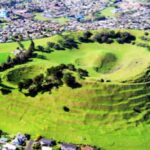
Rotorua Geothermal Escapes, compared.
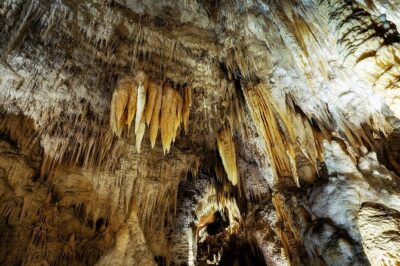 ★ 4.5Waitomo Caves & Rotorua – Te Puia Small-Group Tour from AucklandFrom $253681 reviews
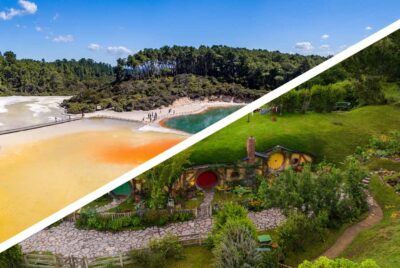 ★ 4.8Hobbiton, Rotorua and Wai-O-Tapu Day TourFrom $256458 reviews
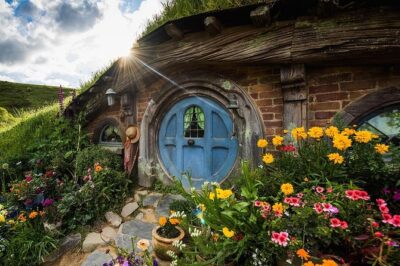 ★ 5.0Hobbiton & Rotorua including Wai-O-Tapu – Small Group Tour from AucklandFrom $266450 reviews
 ★ 5.0Rotorua Highlights Tour from Auckland with Optional ExtrasFrom $214373 reviews
 ★ 4.9From Auckland or Rotorua: Hobbiton & Waitomo Tour with LunchFrom $286281 reviews
 ★ 4.5Rotorua Small-Group Day Tour from AucklandFrom $253235 reviews
 ★ 4.8Waitomo Caves & Rotorua – Te Puia Small-Group TourFrom $244223 reviews
 ★ 5.0Hobbiton & Rotorua Small Group Tour including Te Puia from AucklandFrom $266190 reviews
Browse the lists this tour appears in