
Reviewed · WILDLIFE & NATURE RESERVES
Auckland (Tawharanui): Wild Kiwi Bird Spotting Encounter
Kiwi watching is a lesson in patience. At Tāwharanui Regional Park near Auckland, you go out after dark to track the North Island brown kiwi, then lift your eyes to planets and constellations. On many nights, guides such as Legend, Chris, Millie, Lucas, and Sean are the ones turning the darkness into a real learning experience.
I love the careful, low-noise way you hunt for kiwi—slow steps, listening for calls, and watching for movement instead of rushing. I also love that the night doesn’t stop at wildlife: you get dark-sky stargazing with telescopes or binoculars, and you may hear Māori sky stories tied to what you’re seeing.
One thing to plan for: kiwi sightings aren’t instant. The whole point is that you’re waiting on animal timing, and some nights cloud cover can limit what you see in the sky.
In This Review
- Key moments you’ll remember
- Tawharanui after dark: why this Auckland-area kiwi hunt works
- Meeting at Takatu Rd and getting kitted for a night walk
- The kiwi-watching walk: listening, tracking, and slow thrills
- Stargazing in a rare dark-sky coastal park
- When the shoreline glows: possible bioluminescence moments
- Guides and group vibe: what the best nights have in common
- Price and what $89 buys you in real value
- Timing, weather, and how to make the most of the two-hour window
- Who this Tawharanui kiwi + sky tour suits best
- Should you book the Wild Kiwi Bird Spotting Encounter?
- FAQ
- Where do I meet for the tour?
- How long does the Wild Kiwi Bird Spotting Encounter take?
- What wildlife can I expect to see?
- Can I also see stars and planets?
- Are kiwi sightings guaranteed?
- Is transportation available from Auckland?
- What should I bring?
- Is bioluminescence part of the experience?
- Is there an overnight option?
Key moments you’ll remember
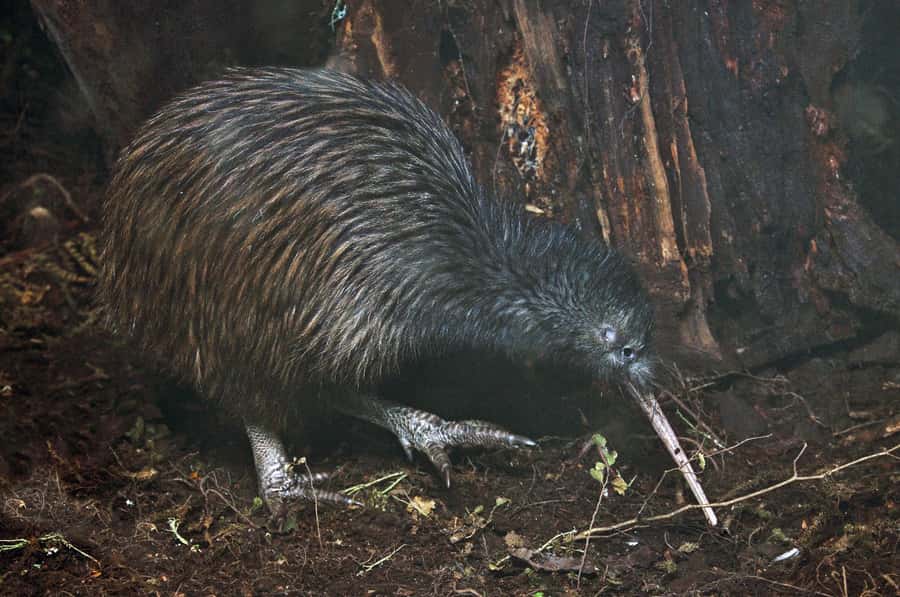
- North Island brown kiwi, in the wild: you track signs and listen for calls while staying respectful and quiet
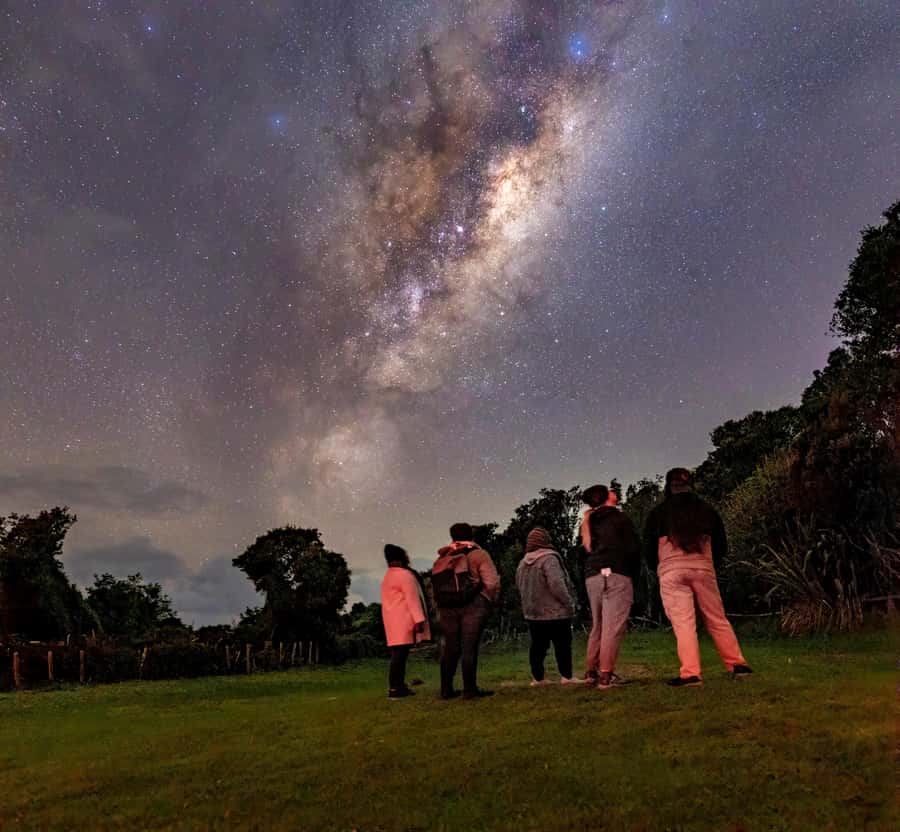
- Dark-sky coastal stargazing: stars, planets, and constellations with telescope or binocular time
- Guides who know the rhythm of the park: people like Legend, Chris, Millie, Lucas, Ryan, and others lead the walk
- Tools for spotting: headlamps/torches and even thermal equipment may be used depending on conditions
- A possible shoreline glow: when conditions line up, you might see bioluminescence along the water
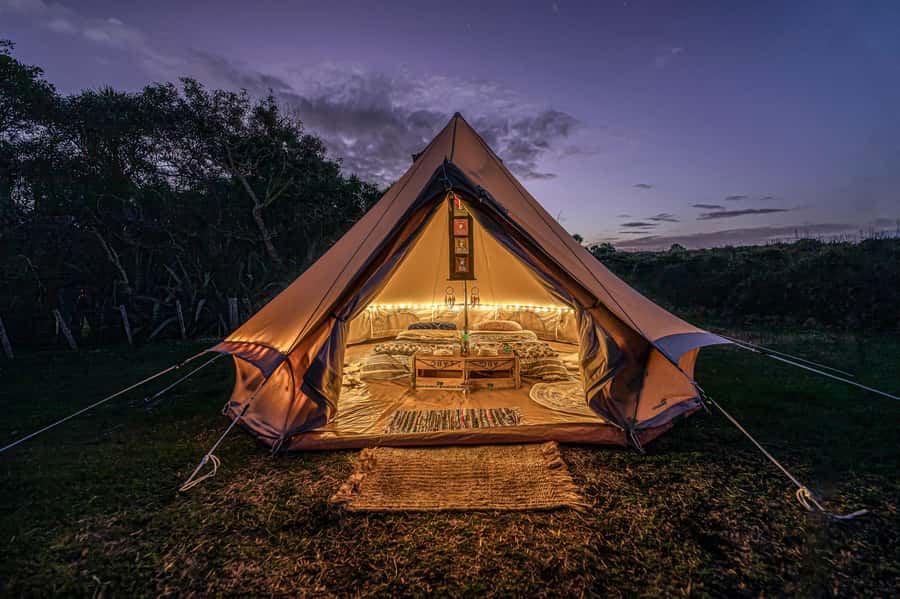
- Optional glamping: some nights include a set-up camp experience after the walk
Tawharanui after dark: why this Auckland-area kiwi hunt works
The magic here is simple: Tāwharanui is built for darkness. This is a conservation sanctuary with ocean air, protected habitat, and a rare dark-sky environment close enough to Auckland to do as a night escape. When city lights are gone, the sky really shows up, and so does the nocturnal world.
You’re not looking at kiwi behind glass. You’re watching them behave the way they already do at night. That means it can be slow, and it can be quiet. It also means when a kiwi finally steps into view, it feels earned—like you joined the ecosystem for a moment, not just checked a box.
And because the park focuses on protecting native wildlife and restoring indigenous forests, the whole experience makes more sense. You’re not just chasing a cool animal. You’re seeing how conservation is supposed to work: habitat care first, then careful observation.
More kiwi, birds and island reserves near Auckland
- Auckland Dolphin and Whale Watching Eco-Safari Cruise
★ 4.5 · 1,790 reviews - Afternoon Piha Beach and Rainforest Tour from Auckland
★ 5.0 · 807 reviews - Waiheke Island: Zipline and Native Forest Adventure Trip
★ 4.9 · 695 reviews - Waitakere Ranges Wilderness Experience Tour from Auckland
★ 4.8 · 340 reviews
Meeting at Takatu Rd and getting kitted for a night walk
Your evening starts near the public bathrooms at the end of Takatu Rd in Tawharanui Regional Park. From there, you meet your guide and your small group (private or small groups are available), and you get a laid-back but important intro to how the night will run.
A good kiwi walk lives and dies by basics. That’s why you’ll be coached on staying quiet, moving slowly, and using your light responsibly. You’ll also get equipment for the night—at minimum, kiwi-spotting and stargazing gear—and many groups are issued headlamps or torches so you can see your footing without blasting the dark.
What I like about this kind of setup is that it keeps the experience gentle. You’re not thrashing through bushes with bright beams. You’re learning how to notice small things: a twitch in the undergrowth, a shift in sound, a brief stillness that looks like the world holding its breath.
Practical tip: plan for cold. This park is close to the water, and the walk is at night, so warm layers matter. Bring comfortable shoes for uneven paths and carry water so you don’t get worn down waiting.
The kiwi-watching walk: listening, tracking, and slow thrills
The main event is a guided kiwi-spotting expedition through native bush and open habitat. Expect a slow pace. Kiwi aren’t fast because they’re shy; they’re fast because they’re living their own life, and you’re the visitor trying not to interrupt it.
Your guide uses tracking and observation methods that focus on what kiwi do and how they show presence. That usually means:
- listening for kiwi calls and learning what they can tell you
- watching for movement in low light
- paying attention to subtle signs along the ground and in the vegetation
In real terms, this is why the tour is worth doing with a guide. If you go alone, you can spend hours scanning the same dark patch and miss the cues that locals and experienced guides can read quickly. With a guide, you’re not just hoping for a sighting—you’re understanding how the search works.
You’ll probably also hear other nocturnal calls in the bush. One guest even mentioned kiwi and ruru calls during the walk. Even if you only catch a quick view of one kiwi, hearing the night animals start to sound familiar is a big part of the value.
Also, manage expectations the friendly way. Some nights are outstanding. Other nights are good but slower. Several reviews mention seeing anywhere from a few to well over a dozen kiwi in a night, but the common thread is patient searching—because kiwi decide when you get the view.
Stargazing in a rare dark-sky coastal park

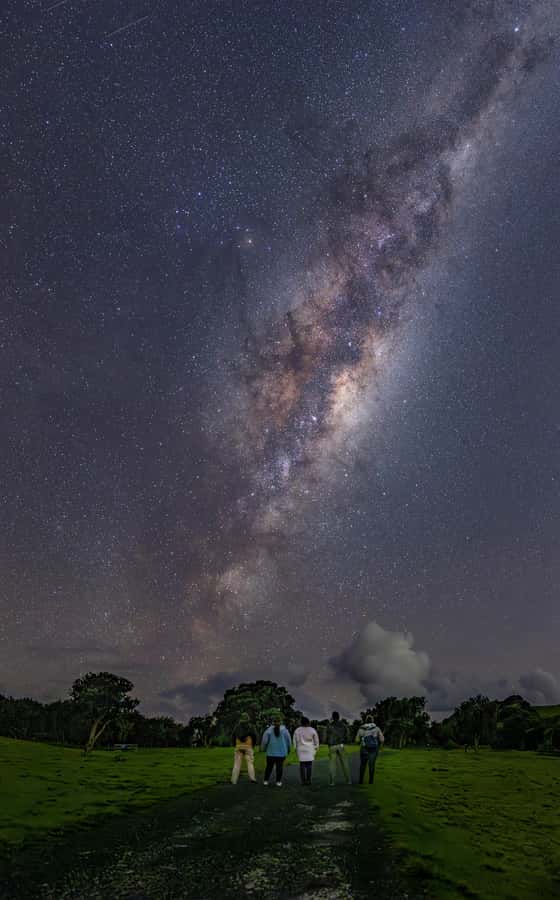
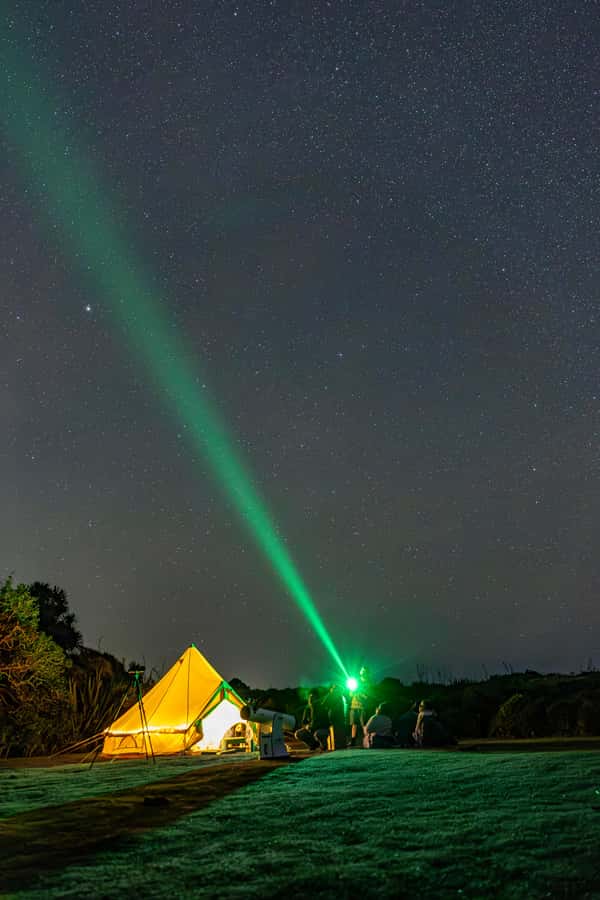
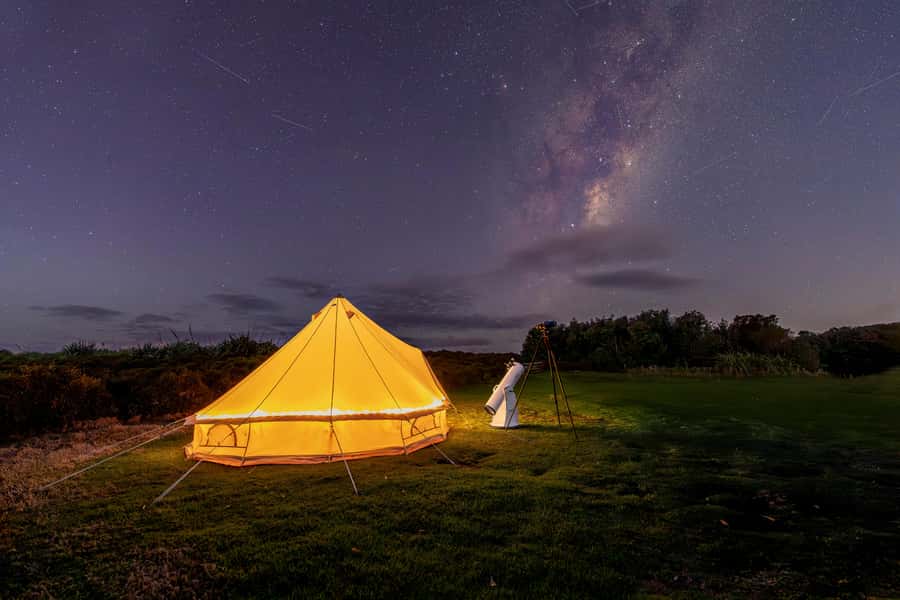
This is where the night turns into astronomy class without the boredom. Because the park has exceptionally low light pollution, you can see dense star fields and often planets and seasonal constellations once it gets fully dark.
Your guide interprets the sky, connecting what you’re seeing to navigation and Southern Hemisphere features. In reviews, people mention using a telescope and binoculars, and even spotting bright planets like Venus, Jupiter, and Saturn when conditions allow. On cloudier nights, stargazing may shift from star show to practical alternatives, with more time focused on kiwi spotting.
What makes this portion feel special is that it’s not just pointing upward. Guides often explain how Māori sky lore ties into constellations and night navigation, so the sky becomes part of New Zealand culture, not just science facts on a screen.
If you’re a night-sky person, you’ll like the contrast: you spend hours learning to read the forest at ground level, then you suddenly shift to reading the sky at a whole different scale.
When the shoreline glows: possible bioluminescence moments
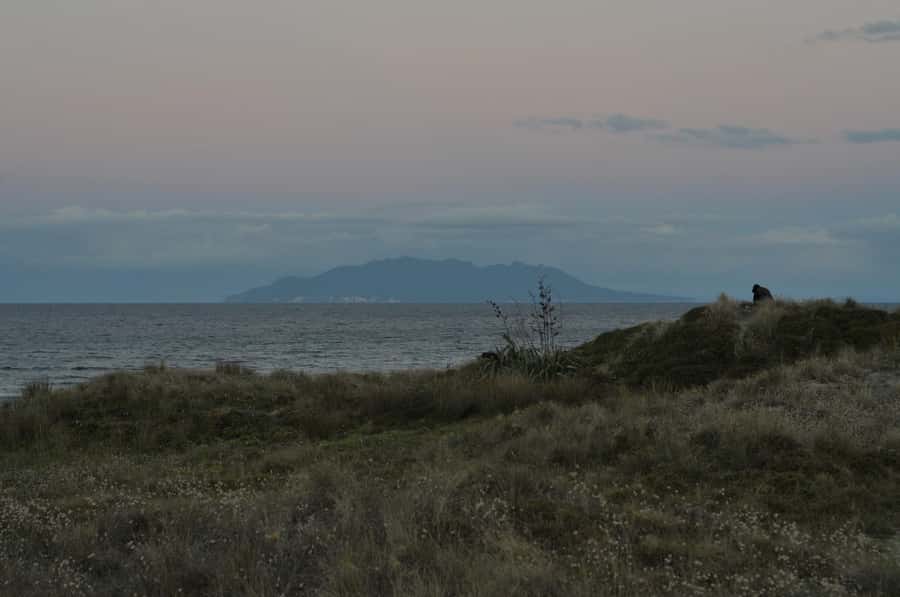
One extra twist comes when conditions are right: you might encounter bioluminescence along the shoreline or in shallow water. The effect is described as a gentle, electric-blue glow triggered by movement in sand or water.
Here’s the honest part: it’s never guaranteed. This is not a promised firework show. It’s more like you’re borrowing a slice of the ocean’s nighttime chemistry if the timing works.
If you get it, though, it adds a second “wow” layer to the night. You’re not only watching kiwi in their habitat and stars overhead—you’re also seeing how life can create its own light. Even without it, the shoreline portion still helps you understand why the park’s dark-sky environment matters.
Guides and group vibe: what the best nights have in common
A kiwi tour can go one of two ways: the guide rushes, or the guide slows the group down and sets you up to succeed. The nights that score highest are the ones where people feel relaxed and safe, and where guides read the environment well.
In the reviews, guides like Legend, Chris, Millie, Lucas, Sean, Ryan, and others show up with a similar style: friendly, patient, and focused on doing the search in a way that respects the animals. Some nights also involve a second guide, like Hayley, who helped with calmer storytelling moments and hot chocolate during stargazing.
Two practical benefits come with that approach:
- you get clearer explanations in plain language while you’re waiting
- you’re more likely to stay engaged even if the first kiwi sighting takes time
Group size matters too. This tour is offered in private or small groups, which usually helps you keep the quiet needed for wildlife spotting. It’s also easier to handle for kids and seniors because you’re not dealing with a huge crowd wandering through the dark.
If you’re worried about the “waiting” part, look at it this way: waiting is the activity. Kiwi spotting is slow by nature. The good guides turn that slow pace into learning and anticipation, so the time doesn’t drag.
Price and what $89 buys you in real value
At $89 per person for a two-hour experience, you’re paying for more than a walk. You’re paying for:
- a guide who can read kiwi activity and calls
- specialized equipment for spotting and stargazing
- a night location that’s intentionally kept dark for wildlife and stargazing
Is it cheap? No. Is it fair value for what’s included? Yes, especially if you’re comparing it to paying for a private car service plus a separate astronomy activity plus a wildlife guide. Here, the package is doing the hard part: getting you to a conservation area near Auckland and helping you notice what you’d otherwise miss.
A key detail: transport can be added at checkout. Some guests specifically mention pickup from Auckland city, which is a big win if you don’t want to drive to the park at night.
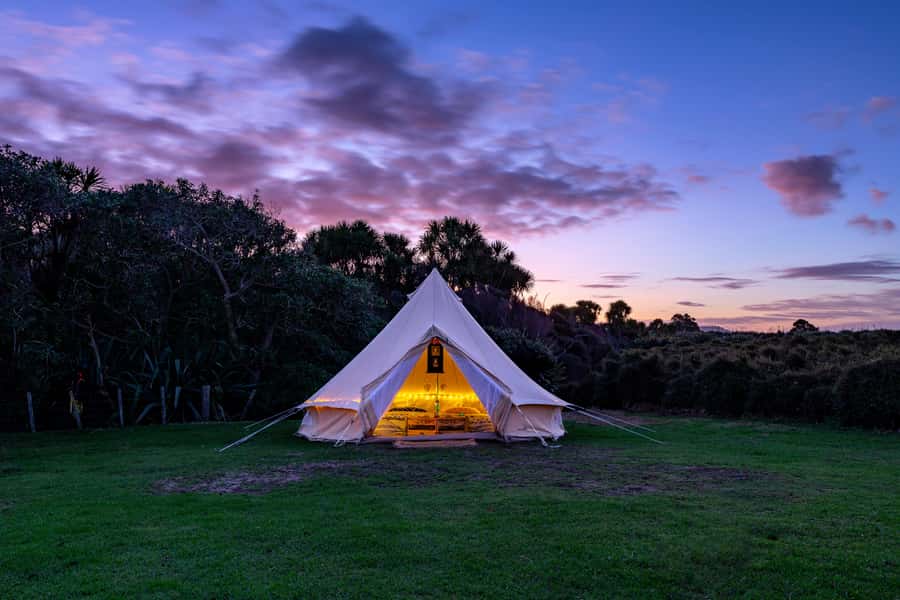
Finally, if you choose the glamping option, your value can jump. Overnight experiences include a camping stay, and at least one review describes a pre-set tent with blankets, foam mattresses, and small snacks. If you’re the kind of person who likes turning a night activity into a real night out, that upgrade can make the price feel even more justified.
Timing, weather, and how to make the most of the two-hour window
The tour is listed as 2 hours, but your overall night can stretch, especially if you add stargazing time heavily or opt for the overnight/glamping choice. One guest reported getting back around 2AM after a night that included extra late timing.
So think of the two-hour label as the core guided period, not a promise that the whole evening is short. Plan your schedule loosely, especially if you’re staying in Auckland and need a drive back.
Weather is the other variable you should respect. Cloud can reduce the sky show, but it doesn’t automatically ruin the experience. Some reviews specifically mention nights where stargazing was limited because of cloud cover, and the guides leaned into kiwi spotting instead.
What you can control:
- dress for cold and damp
- wear grippy shoes
- bring water
- accept that kiwi appear when they appear
That mindset is the difference between feeling disappointed and feeling lucky.
Who this Tawharanui kiwi + sky tour suits best
This is ideal for people who like wildlife but aren’t the type to demand instant results. If you enjoy nature more than speed, you’ll fit right in.
It’s also a strong pick for families. Reviews include a 9-year-old and an 11-year-old who loved seeing kiwi in the wilderness. The experience can feel like an adventure story, with the guide explaining what’s happening as you go.
Seniors and mixed groups can also do well because the pace is guided and intentional. Just bring comfortable footwear and warm layers so the night doesn’t feel tougher than it needs to.
If you’re in Auckland only briefly, this tour makes sense because it’s close to the city but still gives you a world that feels remote: ocean nearby, darkness around you, and conservation work at the center of the night.
Should you book the Wild Kiwi Bird Spotting Encounter?
Yes—if you want a guided night experience that connects three things: kiwi behavior, conservation habitat, and a real dark-sky sky show. The price is reasonable for the mix of guidance, equipment, and location quality, and the guides’ passion shows up in how they manage the group and the quiet.
Book it especially if:
- you don’t have your own way to safely reach a dark-sky area at night
- you want help spotting kiwi signs instead of random searching
- you’re excited about stargazing with telescope/binocular time
- you like learning Māori sky lore alongside the wildlife
Skip it or reconsider if:
- you need guaranteed wildlife viewing on a tight schedule
- you hate cold night walks and can’t dress for it
- you expect a loud, nonstop show (this is mostly patience, listening, and watching)
If you go in with realistic expectations and a warm jacket, this is the kind of night that sticks with you long after you’re back in Auckland.
FAQ
Where do I meet for the tour?
You meet near the public bathrooms at the end of Takatu Rd in Tawharanui Regional Park.
How long does the Wild Kiwi Bird Spotting Encounter take?
The tour duration is listed as 2 hours.
What wildlife can I expect to see?
The focus is on spotting the North Island Brown Kiwi in their natural habitat at night.
Can I also see stars and planets?
Yes. The experience includes stargazing with a focus on stars, planets, and constellations in the park’s low light pollution.
Are kiwi sightings guaranteed?
No. The search is slow and depends on wildlife activity and conditions, so it’s possible to see fewer or more kiwi depending on the night.
Is transportation available from Auckland?
Transport can be added at checkout.
What should I bring?
Bring comfortable shoes, warm clothing, and water.
Is bioluminescence part of the experience?
It may happen along the shoreline or in shallow water during certain conditions, but it is not guaranteed.
Is there an overnight option?
A glamping stay is included if you select that option.
More Tours Around Auckland
- Waiheke Island: Ferry & Hop-On Hop-Off Explorer Bus Tickets
★ 4.6 · 3,311 reviews - Hobbiton & Waitomo Caves Guided Day Trip from Auckland incl lunch
★ 5.0 · 2,677 reviews - From Auckland: Hobbiton & Waitomo Caves Day Trip with Lunch
★ 4.9 · 2,505 reviews - Auckland Dolphin and Whale Watching Eco-Safari Cruise
★ 4.5 · 1,790 reviews - Skydive Auckland
★ 5.0 · 1,516 reviews
Kiwi, Birds and Quiet Islands
- Auckland Dolphin and Whale Watching Eco-Safari Cruise
★ 4.5 · 1,790 reviews - Afternoon Piha Beach and Rainforest Tour from Auckland
★ 5.0 · 807 reviews - Waiheke Island: Zipline and Native Forest Adventure Trip
★ 4.9 · 695 reviews - Waitakere Ranges Wilderness Experience Tour from Auckland
★ 4.8 · 340 reviews - Coast and Rainforest Eco-Tour from Auckland with Picnic Lunch
★ 5.0 · 264 reviews
Fresh off the boat: newer Auckland tours to browse


Wildlife & Nature Reserves, compared.
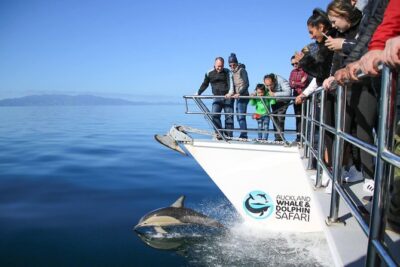 ★ 4.5Auckland Dolphin and Whale Watching Eco-Safari CruiseFrom $1351,790 reviews
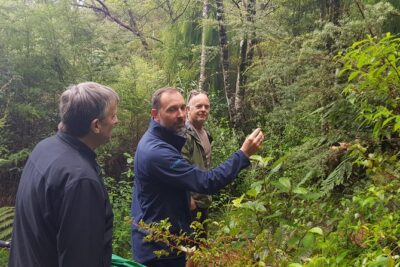 ★ 5.0Afternoon Piha Beach and Rainforest Tour from AucklandFrom $124807 reviews
 ★ 4.9Waiheke Island: Zipline and Native Forest Adventure TripFrom $89695 reviews
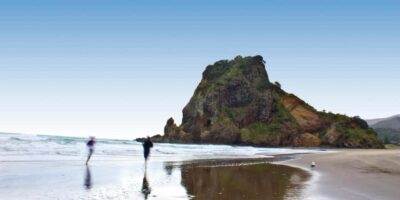 ★ 4.8Waitakere Ranges Wilderness Experience Tour from AucklandFrom $119340 reviews
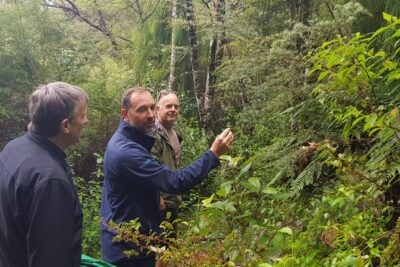 ★ 5.0Coast and Rainforest Eco-Tour from Auckland with Picnic LunchFrom $192264 reviews
 ★ 5.0Piha Waitakere Rainforest Wine Tour from AucklandFrom $195201 reviews
 ★ 5.0Auckland City Highlights, Afternoon Piha Beach & Rainforest TourFrom $183134 reviews
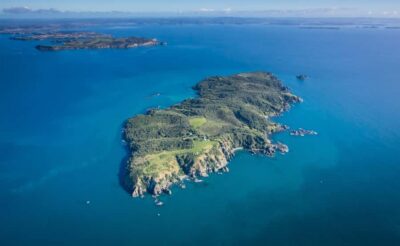 ★ 4.7Tiritiri Matangi Island FerryFrom $65133 reviews
Browse the lists this tour appears in