
Reviewed · WILDLIFE & NATURE RESERVES
Auckland North Shore Glowworm Tour
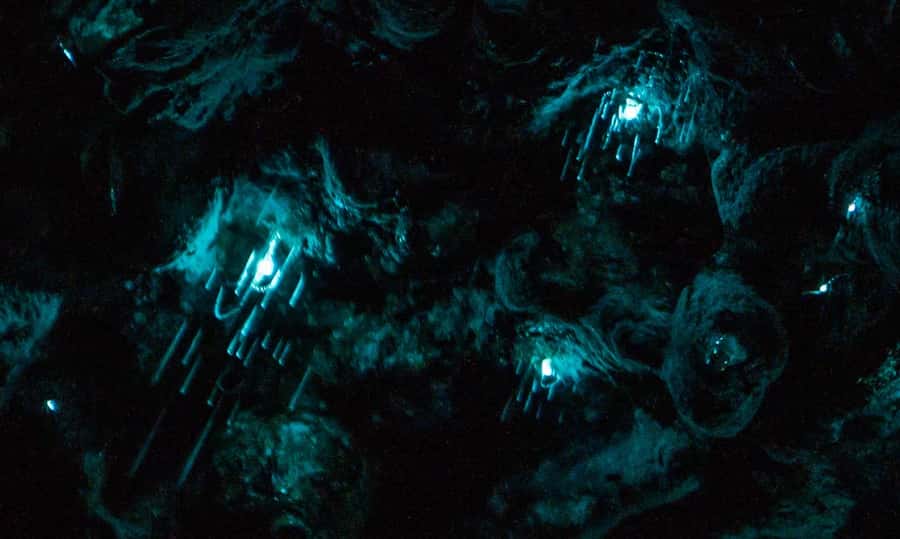
Neon-blue glowworms light up the night. This Auckland North Shore guided walk takes you into Awaruku Reserve, where glowworms glow in native forest and your guide explains what’s going on. It’s a short evening that trades crowds for calm, close viewing.
Two things I like a lot: you get a chance to see the glowworms in their habitat without barriers, and the guides bring the forest to life with clear explanations and good Q&A. In past groups, guides such as Legend and Chris have answered questions about wildlife and glowworm behavior, and they keep the mood friendly and relaxed.
One consideration: timing can feel a bit fuzzy. The activity is listed as 45 minutes, but the guided portion is shown as 105 minutes, so plan for a longer evening walk than you’d expect, especially since it’s dark out.
In This Review
- Key highlights I’d plan around
- How the North Shore glowworm tour feels different from the big-name options
- Meeting at Hairluxx Boutique and what to do before it gets dark
- Awaruku Reserve at dusk: kauri, nikau palms, and Māori place stories
- The glowworm moment: what you’re actually seeing
- How the guide turns one walk into real wildlife learning
- Conservation walk: Kākā and Kererū and the reason this place matters
- Photos in the dark: how to get better glowworm pictures
- When bioluminescence besides glowworms might show up
- Who this tour is best for (and who should pick something else)
- Should you book the Auckland North Shore Glowworm Tour?
- FAQ
- Where is the meeting point for the tour?
- How long is the Auckland North Shore Glowworm Tour?
- Is this a small group tour?
- Is there a live guide, and what language do they speak?
- What should I wear?
- Should I bring a camera?
- Is free cancellation available?
- Can I reserve and pay later?
Key highlights I’d plan around
- Close glowworm viewing in the bush, not through barriers
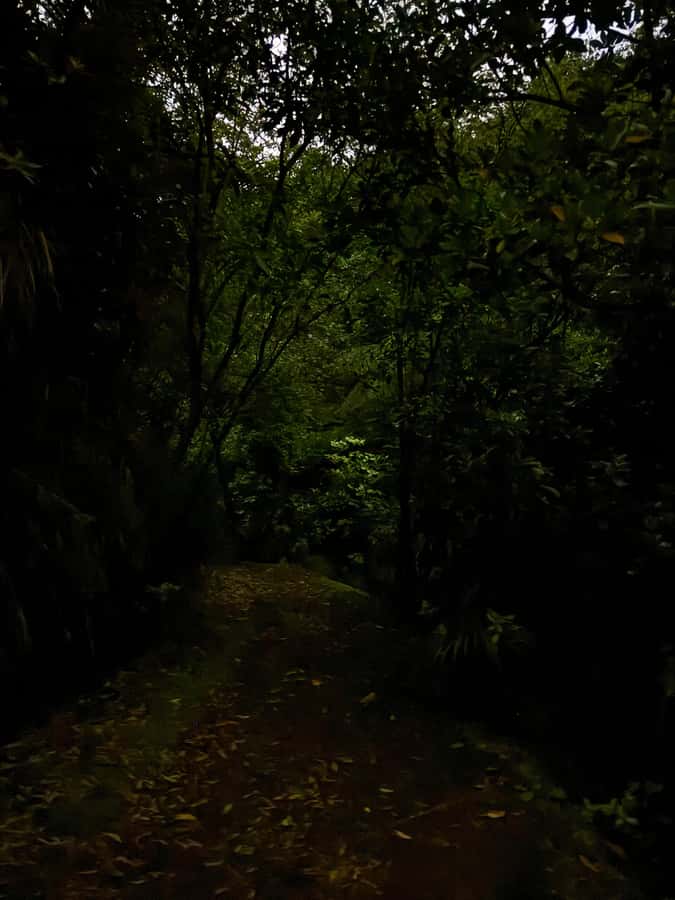
- Awaruku Reserve native forest with kauri and nikau palms
- Glowworm life cycle explanations using silk threads and light to catch prey
- A conservation focus tied to native birds like kākā and kererū
- Small group size (max 10) for real conversation with your English-speaking guide
How the North Shore glowworm tour feels different from the big-name options
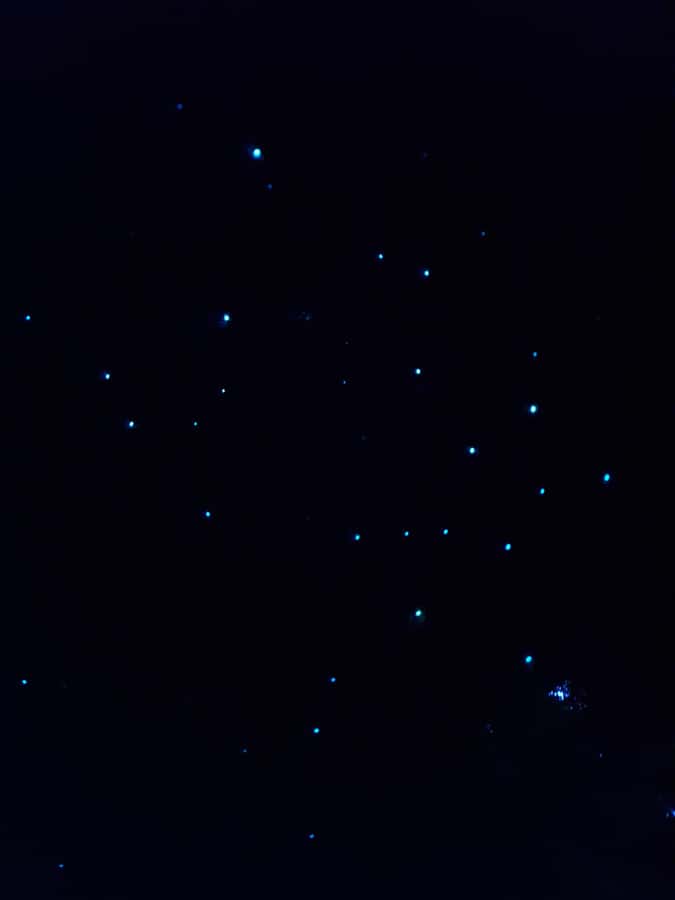
If you’re based on Auckland’s North Shore, this is the kind of tour that makes sense right away. Instead of turning your whole day into a long drive, you’re spending your evening in native forest where the glowworms live. That shift matters: you don’t just “see glowworms,” you experience them in context—night sounds, shadowy trails, and the slow quiet of bush after dusk.
I also like that the experience is built around education, not just spectacle. The guide talks about Arachnocampa luminosa (New Zealand glowworms) and how their life cycle connects to the surrounding ecosystem. When you understand what you’re looking at, the light feels less like a trick and more like a real living system.
The other big reason to pick this tour: it’s designed for close viewing. The plan is to see the glowworms in their natural habitat, and the setup is described as without barriers, which is exactly what you want if you care about photos and that eerie “close enough to wonder” feeling.
More kiwi, birds and island reserves near Auckland
- Auckland Dolphin and Whale Watching Eco-Safari Cruise
★ 4.5 · 1,790 reviews - Afternoon Piha Beach and Rainforest Tour from Auckland
★ 5.0 · 807 reviews - Waiheke Island: Zipline and Native Forest Adventure Trip
★ 4.9 · 695 reviews - Waitakere Ranges Wilderness Experience Tour from Auckland
★ 4.8 · 340 reviews
Meeting at Hairluxx Boutique and what to do before it gets dark
You meet outside Hairluxx Boutique Torbay to start the evening. That’s a practical choice because it’s easy to find the meeting point and get oriented without hunting for a remote trailhead at night.
Before you go, I’d do two simple things:
- Wear comfortable walking shoes, because you’ll be on forest trails.
- Have your camera ready, since the glowworms are the whole point and you’ll want photos of the light and surrounding nature.
The start is also paced well. You’ll get a welcome plus a short safety briefing before you head into the reserve. That matters on a night walk—good guides keep you moving steadily and help you avoid stumbling when visibility drops.
One small planning tip: bring a bit of patience. Even if the tour is listed as 45 minutes, the guided time shown is longer, and you’re also factoring in evening light (which disappears fast). If you’re tight on schedule, confirm the exact session length in your booking details.
Awaruku Reserve at dusk: kauri, nikau palms, and Māori place stories
The walk happens in Awaruku Reserve, described as more than 12 hectares of lush native forest. This is where the tour earns its “more than glowing bugs” reputation.
As you move along the tranquil trails, your guide highlights iconic tree species, especially kauri and nikau palms. The guide isn’t just naming trees like a botany quiz. You’re learning what those trees mean for the whole forest community, from shelter and habitat to the way the bush supports native birds.
Another layer I appreciate: the area is explained as significant as a site of ancient Māori settlements. That context changes the mood. Instead of treating the reserve as a photo stop, you’re seeing it as a living place with deep human connection.
Then dusk hits. The forest quiets, and you’re guided to a secluded spot known for glowworm displays. This part matters for viewing. Your guide times the movement so you’re not blundering around in the dark while glowworms are out of sight.
The glowworm moment: what you’re actually seeing
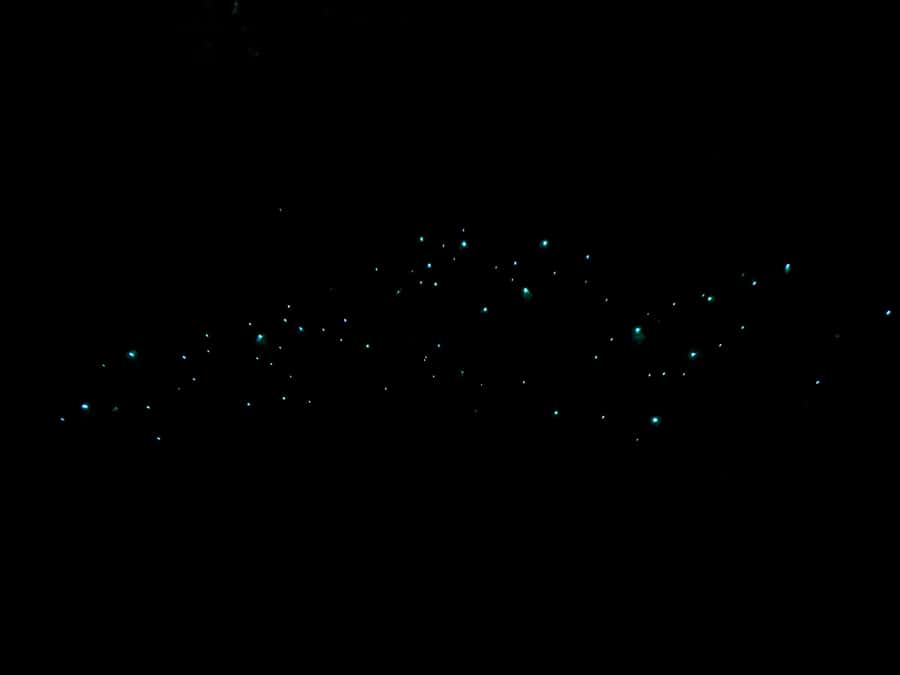
Once you arrive at the glowworm area, your guide shows you the bioluminescence of Arachnocampa luminosa. These are tiny larvae that emit a soft blue-green glow in the dark forest.
This is where the tour feels magical in the real sense—because you’re not looking at a bright, staged display. You’re looking into darkness that’s been softened by living light.
And the guide helps you see what’s important:
- how glowworms use silk threads
- how the light supports their hunting strategy
- how the glowworm life cycle ties into the environment around them
If you’ve ever wondered why glowworms seem to “hang” in place, this kind of explanation makes it click. It’s not random lighting. It’s a behavior and a survival strategy tied to silk and prey.
Also worth noting: your viewing is set up for closeness. You’re led to see glowworms without barriers, and that’s exactly what makes photos possible beyond a quick blurry dot in the dark.
How the guide turns one walk into real wildlife learning
A glowworm tour can be either “look there” or “now I get it.” The best guides do the second one, and this tour leans hard that direction.
In groups guided by people like Legend and Chris, the consistent theme is that they explain glowworms and answer questions about the forest and wildlife around you. You’re not stuck listening to a one-way talk. The guide’s style comes through as interactive, which makes the night feel personal instead of scripted.
They also connect the glowworms to conservation. After you’ve watched the bioluminescence, you take a short walk focused on protecting the ecosystem. That’s a smart way to end the glowworm section: you’re not only enjoying the light, you’re learning why it’s vulnerable and what’s being done to keep it alive.
Conservation walk: Kākā and Kererū and the reason this place matters
The tour doesn’t just point at glowworms and stop. It moves into why the forest needs care.
Your guide talks about Awaruku Reserve’s role in supporting native species such as kākā and kererū. These aren’t just random bird names—they represent the larger web of life that depends on intact native habitat and ongoing restoration work.
This is the part where the tour becomes more grounded. Glowworms are the star, yes, but they’re also an indicator of what a healthy ecosystem can look like at night. When guides explain the conservation effort, you start to understand that the glow you’re seeing is part of a system people work to protect.
If you want an ethical souvenir from your trip, this section helps. You leave with a sense that the light in the trees didn’t happen by accident. It’s connected to conservation choices.
Photos in the dark: how to get better glowworm pictures
Bring your camera, and plan on using it right. Night photography isn’t the time to fumble with settings and menus.
Here’s what I’d do based on how the tour is described:
- Keep your camera accessible during the approach, because you’ll move from trail to glowworm spot.
- Expect to photograph the glowworms along with the surrounding nature, not just isolated light dots.
- Use the guide’s positioning to your advantage. The tour is set up for close viewing, so you’re likely to capture more detail than you’d get from a distant viewpoint.
If you want cleaner shots, remember that you’re working with soft bioluminescence, not bright artificial light. The glow is gentle and blue-green, so your goal is usually to capture atmosphere as much as sharpness.
And since the tour is described as quiet and nature-focused, you’ll have a calmer scene to work with than in a high-traffic tourist setup. That helps your photos because you’re not competing with constant movement.
When bioluminescence besides glowworms might show up
This operator also notes chances for bioluminescence beyond glowworms when conditions are right. On some evenings, you may visit coastal areas where bioluminescent organisms can glow in the water and along the shoreline.
That matters because it broadens what you might see in one night. The guide explains bioluminescence as a natural process where living things produce light. In this tour group’s world, it can include:
- glowworms in forest environments
- bioluminescent marine organisms (like dinoflagellates) that glow in water
The key word here is conditions. The light displays depend on the night’s natural setup, so treat coastal bioluminescence as a possible bonus rather than a guaranteed second show.
Who this tour is best for (and who should pick something else)
This glowworm tour is a strong match if you want:
- a short evening activity on Auckland’s North Shore
- close-up viewing in a native forest setting
- a guided walk that explains what you’re seeing, not just where to look
It’s also ideal if glowworms like these feel out of reach because Waitomo is too far or too much hassle. One practical value you’ll likely appreciate is that you can chase the experience without a long day of travel.
If you’re the type who hates walking at night or needs lots of time in daylight, you might prefer a daytime nature walk first, then a separate evening option later. The tour is still described as an easy, well-maintained trail experience, but it’s still a night in the bush.
Should you book the Auckland North Shore Glowworm Tour?
I’d book it if you’re on the North Shore and you want a calm, guided way to see New Zealand glowworms in a real forest setting. The small group size (up to 10) and the emphasis on close viewing without barriers make this feel like more than a quick photo stop.
I’d also book it if you care about context. The reserve story (kauri, nikau palms, Māori settlement significance) plus the connection to conservation and birds like kākā and kererū makes the whole evening more meaningful.
The main reason to pause is timing clarity: with the activity described as 45 minutes but the guided time shown as 105 minutes, make sure your plans can flex. If you can, you’ll have an easy, friendly night walk where the glowworms do the talking.
FAQ
Where is the meeting point for the tour?
Meet outside Hairluxx Boutique Torbay to begin the journey.
How long is the Auckland North Shore Glowworm Tour?
The duration is listed as 45 minutes, but the guided tour is shown as 105 minutes, so it’s best to check your confirmation for the exact timing.
Is this a small group tour?
Yes. The group is limited to 10 participants.
Is there a live guide, and what language do they speak?
Yes, there is a live tour guide, and the language is English.
What should I wear?
Wear comfortable walking shoes for the trails.
Should I bring a camera?
Yes. Bringing a camera is recommended so you can photograph the glowworms and the surrounding nature.
Is free cancellation available?
Yes. You can cancel up to 24 hours in advance for a full refund.
Can I reserve and pay later?
Yes. You can reserve your spot and pay later.
More Tours Around Auckland
- Waiheke Island: Ferry & Hop-On Hop-Off Explorer Bus Tickets
★ 4.6 · 3,311 reviews - Hobbiton & Waitomo Caves Guided Day Trip from Auckland incl lunch
★ 5.0 · 2,677 reviews - From Auckland: Hobbiton & Waitomo Caves Day Trip with Lunch
★ 4.9 · 2,505 reviews - Auckland Dolphin and Whale Watching Eco-Safari Cruise
★ 4.5 · 1,790 reviews - Skydive Auckland
★ 5.0 · 1,516 reviews
Kiwi, Birds and Quiet Islands
- Auckland Dolphin and Whale Watching Eco-Safari Cruise
★ 4.5 · 1,790 reviews - Afternoon Piha Beach and Rainforest Tour from Auckland
★ 5.0 · 807 reviews - Waiheke Island: Zipline and Native Forest Adventure Trip
★ 4.9 · 695 reviews - Waitakere Ranges Wilderness Experience Tour from Auckland
★ 4.8 · 340 reviews - Coast and Rainforest Eco-Tour from Auckland with Picnic Lunch
★ 5.0 · 264 reviews
Fresh off the boat: newer Auckland tours to browse


Wildlife & Nature Reserves, compared.
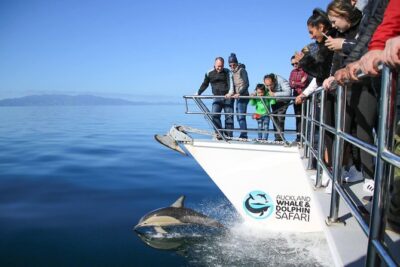 ★ 4.5Auckland Dolphin and Whale Watching Eco-Safari CruiseFrom $1351,790 reviews
 ★ 5.0Afternoon Piha Beach and Rainforest Tour from AucklandFrom $124807 reviews
 ★ 4.9Waiheke Island: Zipline and Native Forest Adventure TripFrom $89695 reviews
 ★ 4.8Waitakere Ranges Wilderness Experience Tour from AucklandFrom $119340 reviews
 ★ 5.0Coast and Rainforest Eco-Tour from Auckland with Picnic LunchFrom $192264 reviews
 ★ 5.0Piha Waitakere Rainforest Wine Tour from AucklandFrom $195201 reviews
 ★ 5.0Auckland City Highlights, Afternoon Piha Beach & Rainforest TourFrom $183134 reviews
 ★ 4.7Tiritiri Matangi Island FerryFrom $65133 reviews
Browse the lists this tour appears in