
Reviewed · SEA KAYAKING & BIOLUMINESCENCE
Auckland: Browns Island (Motukorea) Sea Kayak Tour
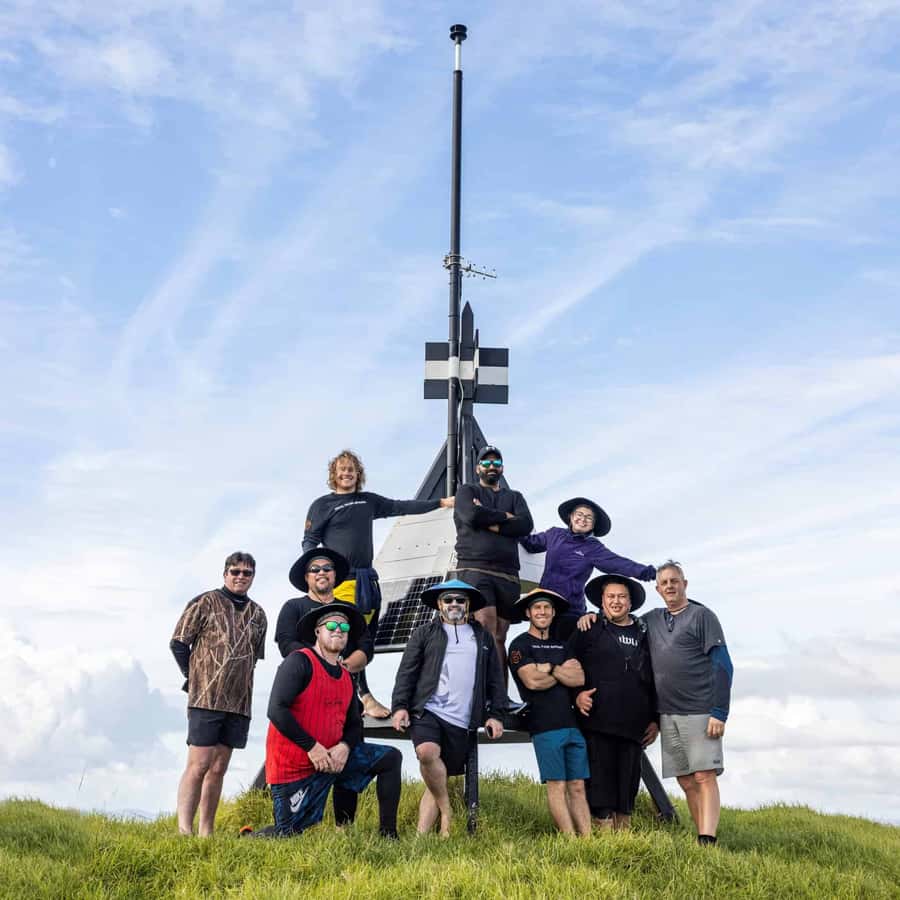
Kayaking to a volcanic island sounds unreal. This 4-hour tour from Auckland’s St Heliers Beach takes you through the Hauraki Gulf and Waitematā Harbour and ends at Motukorea (Browns Island), a dormant volcanic cone you can only reach by sea. I like that the pacing suits first-timers and that the guides keep the water skills simple, even when it gets a bit breezy (as shown by guides like Ryan and Legend). One thing to plan for: the conditions can be windy, so you’ll want the right layers and a calm mindset.
What really makes it work is the mix of easy sea-kayak coaching and hands-on island time, including a short hike on Motukorea and plenty of chances to spot birds and marine life. You’ll paddle roughly 1.5 to 2 hours total, with the one-way crossing taking about 45 to 60 minutes. The only real drawback I see for some people is that you’re outdoors the whole time and you need to bring enough warmth for changing Auckland weather.
In This Review
- Key points before you go
- Why Browns Island kayaking feels like a mini-adventure
- The tour in plain terms: what happens in 4 hours
- Meet at St Heliers Beach and get your safety setup
- Paddle the Hauraki Gulf to Motukorea
- Reach Browns Island and do a short guided island walk
- Head back to St Heliers Beach
- What you’ll learn on Motukorea (and why it matters)
- Wildlife spotting: realistic odds, not fantasy
- If the wind picks up, that’s not automatically a deal-breaker
- Price and value: is $89 worth it?
- What to bring (so you don’t end up cold or uncomfortable)
- Who this tour suits best
- A small but real consideration: cultural inclusion
- Should you book the Browns Island sea kayak tour?
- FAQ
- How long is the Browns Island sea kayak tour?
- Where do I meet the guide?
- Is this tour good for beginners?
- How long is the paddle to Browns Island?
- What do I need to bring?
- Is transport included in the price?
- What’s included in the tour price?
- What animals could I see?
Key points before you go
- Beginner-friendly instruction with time spent getting comfortable on the water, not just rushing to the island
- Motukorea exploration on an uninhabited, dormant volcanic island that’s reachable by sea only
- Whales, dolphins, and seabirds are realistic sightings in the Hauraki Gulf and Waitematā Harbour
- A volcanic cone you can hike briefly, formed around 25,000 years ago within Auckland’s volcanic field
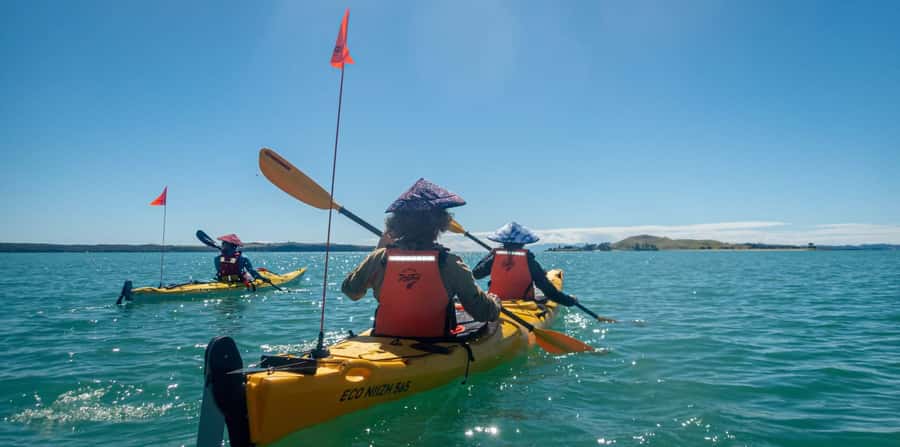
- Short paddle legs: about 45–60 minutes one way, with 1.5–2 hours of paddling overall
- Tide timing matters, since start times vary with Auckland tides
Why Browns Island kayaking feels like a mini-adventure
Auckland is known for being a big-city base with quick access to wild edges. This tour uses that advantage well: you launch from St Heliers Beach and spend your time in water that’s close enough to manage, but scenic enough to feel like a true outing.
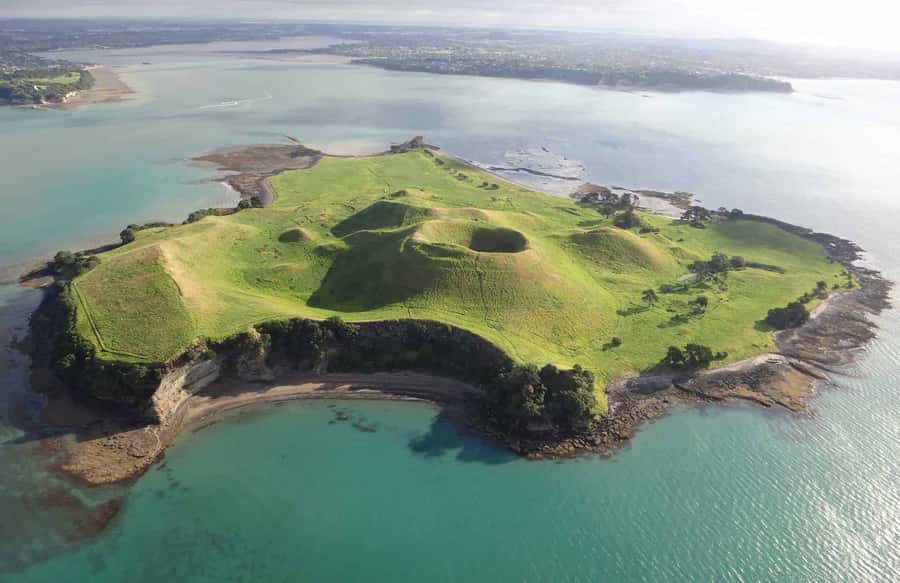
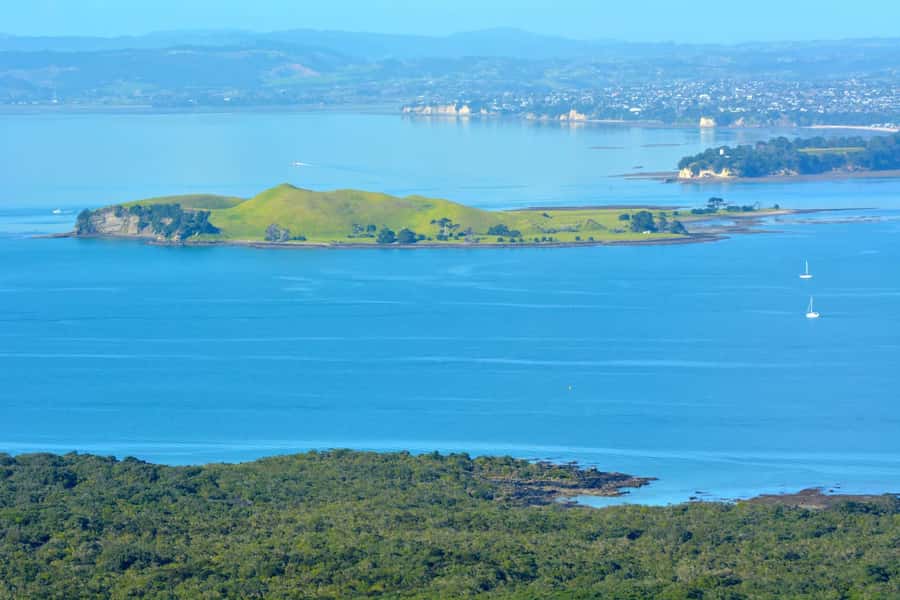
The destination also helps. Motukorea (Browns Island) is a dormant volcanic island in the Hauraki Gulf, uninhabited and designated as a recreational reserve. That means you’re not dealing with crowds, buildings, or city noise—just coastline, birds, and the feeling of being in a special pocket of nature.
And unlike some “see it from a distance” activities, this one puts you in the action. You paddle to the island, then you’re guided through the coastal views and the island’s features, including time to hike.
More paddles around Auckland, glowing water and all
- Bioluminescence Kayak Tour – Est. 1994
★ 4.0 · 187 reviews - Sunset kayak tour to Rangitoto Island
★ 5.0 · 168 reviews - Clearyak hire at Goat Island Marine Reserve
★ 5.0 · 80 reviews - Day sea kayak tour Rangitoto Island
★ 5.0 · 79 reviews
The tour in plain terms: what happens in 4 hours
Meet at St Heliers Beach and get your safety setup
Your tour starts at the St Heliers Beach boat ramp. The first block is a 30-minute safety briefing, where you’ll learn how to use your gear and how the group will move on the water. This is where you should ask questions, especially if you’ve never kayaked in open water before.
Practical tip: wear shoes that work for walking on wet ground. You’ll likely be handling a kayak setup and moving around before you’re paddling.
Paddle the Hauraki Gulf to Motukorea
Once you’re on the water, expect a 45–60 minute one-way paddle. Along the way, you pass Gentleman’s and Ladies Bays and glide through truly blue-green Gulf water (the kind that makes it hard not to look up constantly).
This isn’t a race. The tour structure leaves room for comfort and control, which matters because beginners often worry about pace and balance.
If you’re wondering what wildlife you’ll realistically see, the water here is known for it. You might spot dotterel and oystercatchers, and the guide may also point out other coastal birds as you near the island.
More cones and craters around Auckland to climb
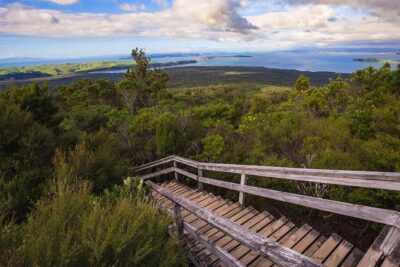
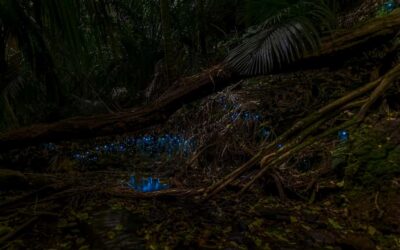
Reach Browns Island and do a short guided island walk
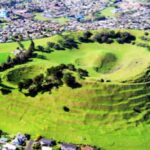
After the crossing, you spend about 30 minutes hiking/exploring on Browns Island / Motukorea. The island is a volcanic cone formed roughly 25,000 years ago and part of Auckland’s 53-strong volcanic field.
That mix of short hike plus big-water views makes this portion feel like more than a photo stop. Even if your stride is casual, you still get to feel the island’s shape and scale—especially looking back toward the mainland and harbour.
Head back to St Heliers Beach
You return to the starting point by sea kayak, and the full experience lands at about 4 hours. In a half-day like this, the timing is tight enough to keep you engaged, but not so packed that you feel slammed at the end.
If you get even a small break in the wind on the way back, you’ll likely appreciate how much easier paddling becomes once you settle into rhythm.
What you’ll learn on Motukorea (and why it matters)
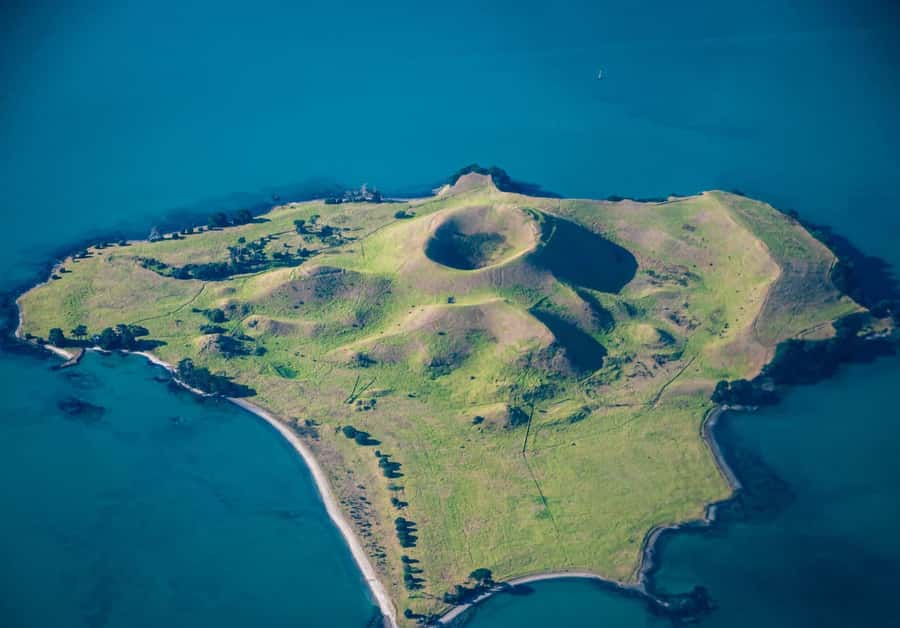
Motukorea isn’t just a scenic destination. It’s an educational spot connected to volcanology, geology, and environmental conservation—and the island’s limited access by land is part of why it stays special.
One of the best parts of this kind of site is that you can pair the story with what you’re physically experiencing. You’re paddling through waters around a volcanic formation, then you step onto the island and see evidence of the island’s volcanic nature up close.
That’s also why the island is described as uninhabited. With fewer human interruptions, the ecosystem and birdlife have a better chance to keep doing their thing. You’re visiting a place that feels protected, not managed for mass tourism.
Wildlife spotting: realistic odds, not fantasy
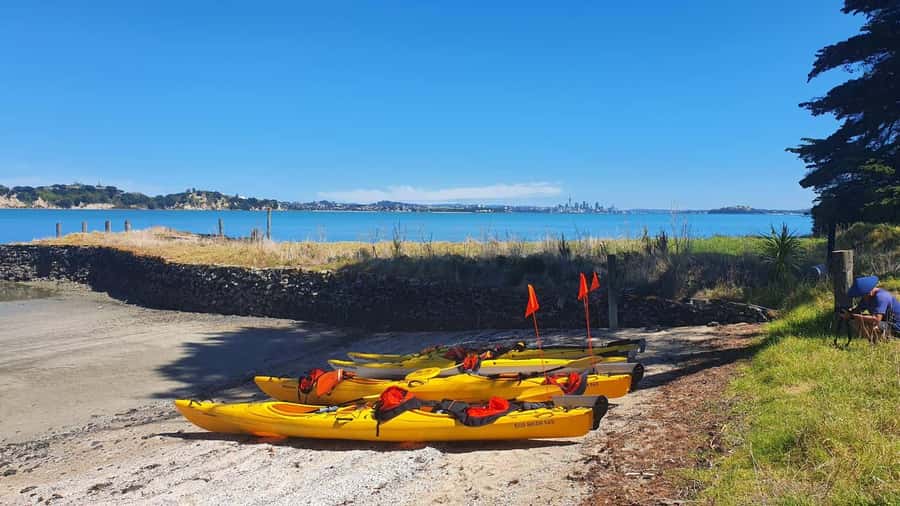
The tour highlights marine life like whales and dolphins, and you may also see little blue penguins during the trip. I like that the wording keeps expectations reasonable: you might see them, and you’re in the right zone to increase your odds.
Birdlife is more dependable. As you head out and around the island area, keep an eye out for dotterel and oystercatchers. When seabirds are active, you’ll often see movement near shorelines and around rocky or sandy edges.
Bonus idea: if you’re going bird-spotting, bring sunglasses with decent protection and set aside a few minutes at each stop to scan quietly. You’ll see more by watching patiently than by constantly paddling with your head down.
If the wind picks up, that’s not automatically a deal-breaker
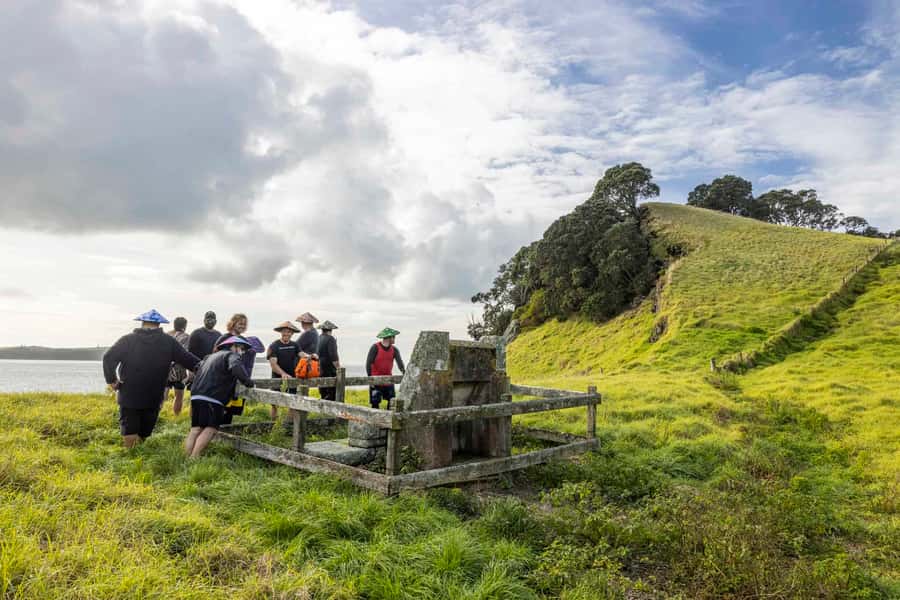
Some reviews point out that it can get windy, but the consistent message is that the guides help you feel steady. That’s exactly what you want in a beginner-friendly tour: not just safety rules, but confidence-building instruction.
Here’s how I’d plan for wind without stressing:
- Bring rain gear and warm clothing even if the forecast looks mild.
- Wear a hat and water so you don’t get distracted by heat or dehydration.
- Assume conditions may change and dress for comfort first, then style.
A calm, flexible attitude matters on this kind of water activity. If you show up ready and listen during the safety briefing, you’ll be able to enjoy the paddle instead of fighting it.
Price and value: is $89 worth it?
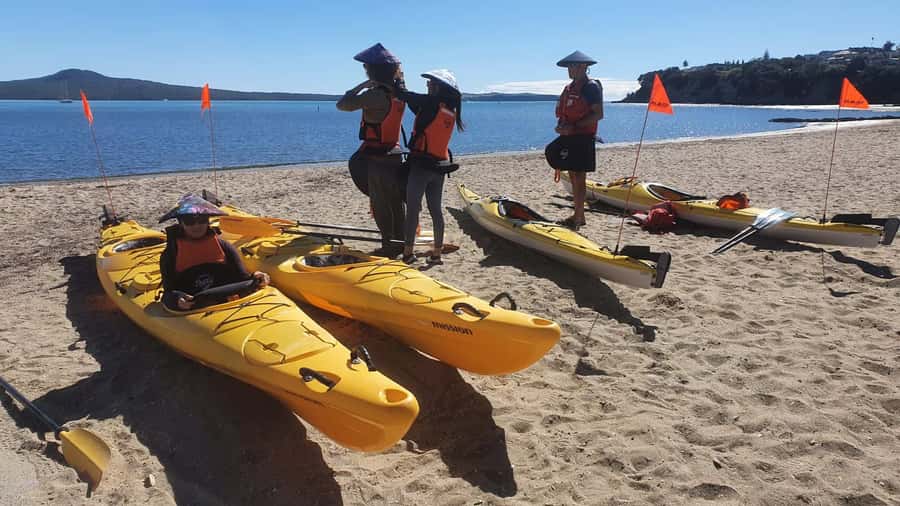
At $89 per person for a 4-hour half-day, the value is in what you get in the bundle. You’re paying for a professional guide, plus the kayak/SUP/canoe equipment and a personal flotation device (PFD). That’s not a small expense, and it also removes a big headache: you don’t have to source gear or figure out what’s safe.
What’s not included is important to note: transport to the meeting point isn’t included unless you arrange the optional add-on. If you’re staying central Auckland and can get to St Heliers easily, that keeps the overall cost feeling more fair. If not, factor in transit time and cost so you don’t get surprised later.
For first-time paddlers, the real “value” is the guidance. This tour is structured so you spend time learning what to do before you’re expected to handle the full crossing comfortably.
What to bring (so you don’t end up cold or uncomfortable)
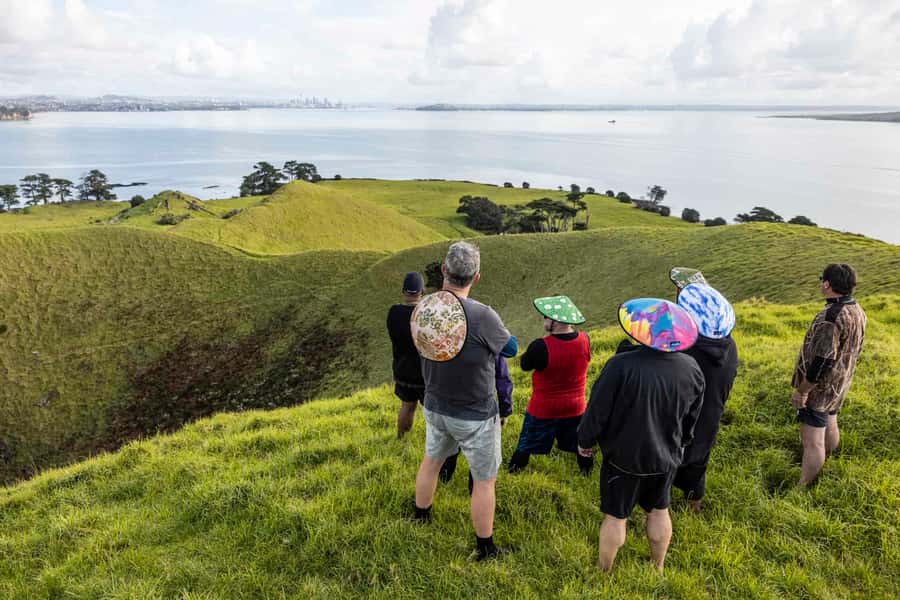
You’ll have a better time if you come prepared. The essential list is pretty straightforward:
- Sunglasses
- Daypack
- Rain gear
- Towel
- Water
- Hat
- Personal medication
- Swimwear
- Warm clothing
- Comfortable shoes
Two practical notes:
- Even if you expect sunshine, bring warm layers. Auckland wind on open water can feel sharper than you expect.
- Use a daypack that you can keep dry. Water activities tend to get damp around the edges.
And for clothing rules: jeans are not allowed, and alcohol and drugs aren’t allowed. That’s consistent with keeping everyone safe and comfortable in an outdoor activity.
Who this tour suits best
This is a strong fit if you:
- Are a beginner who wants real instruction rather than a “go figure it out” paddle
- Want a short island outing without committing to a full-day trip
- Like wildlife and coastal scenery more than museum-style time
- Prefer small-group energy with a guide who answers questions
It’s also a good match if you’re the type who enjoys nature learning—volcanoes, habitats, and conservation-focused explanations—without needing to be a scientist to understand it.
If you’re a hard-core paddler seeking long distances or technical challenges, you might find the pacing more relaxed. But that’s also the point: it’s designed to be approachable.
A small but real consideration: cultural inclusion
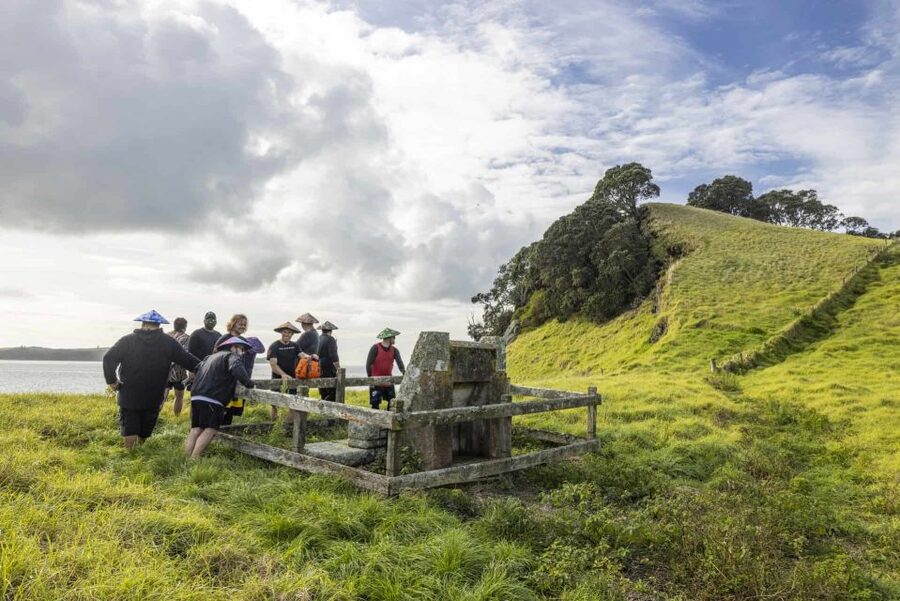
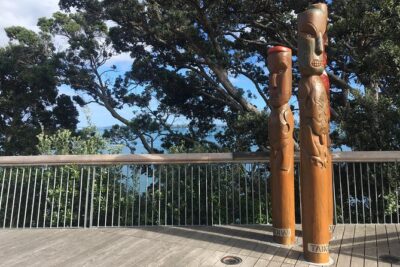
One review gave the experience a high score but deducted a star for feeling that the tour wasn’t inclusive enough and needed more Te Ao Māori presence. That’s worth taking seriously.
If cultural context is important to you, I’d look at how your guide plans the experience and what stories are shared during the island time and walk. A good tour should help you understand not only the geology, but also the wider human relationship to place.
Should you book the Browns Island sea kayak tour?
Yes, if you want a first-timer-friendly way to see Auckland’s Hauraki Gulf from the water, paddle at a manageable pace, and add a short island hike to a volcanic reserve. The included gear, professional guidance, and realistic wildlife potential make it a solid half-day value at $89.
Hold off or ask extra questions if you’re very sensitive to wind and cold, or if you’re looking specifically for strong Te Ao Māori storytelling as part of the experience. You’ll still get a lot out of the day on the water, but your expectations should match the type of tour you’re booking.
FAQ
How long is the Browns Island sea kayak tour?
The duration is 4 hours.
Where do I meet the guide?
You meet at the St Heliers Beach boat ramp.
Is this tour good for beginners?
Yes. It’s described as beginner-friendly and includes a safety briefing and time to get comfortable with the equipment and surroundings.
How long is the paddle to Browns Island?
The one-way paddle takes about 45–60 minutes.
What do I need to bring?
Bring sunglasses, a daypack, rain gear, a towel, water, a hat, personal medication, swimwear, warm clothing, and comfortable shoes.
Is transport included in the price?
Transport is not included unless you discuss the optional add-on Browns-Bus in advance.
What’s included in the tour price?
You get a professional, experienced guide, kayak/SUP/canoe equipment, and a PFD (personal flotation device).
What animals could I see?
The tour notes possible sightings of whales, dolphins, and little blue penguins, and birdlife such as dotterel and oystercatchers.
More Tours Around Auckland
- Waiheke Island: Ferry & Hop-On Hop-Off Explorer Bus Tickets
★ 4.6 · 3,311 reviews - Hobbiton & Waitomo Caves Guided Day Trip from Auckland incl lunch
★ 5.0 · 2,677 reviews - From Auckland: Hobbiton & Waitomo Caves Day Trip with Lunch
★ 4.9 · 2,505 reviews - Auckland Dolphin and Whale Watching Eco-Safari Cruise
★ 4.5 · 1,790 reviews - Skydive Auckland
★ 5.0 · 1,516 reviews
Climbing Auckland's Volcanoes
- Sunset kayak tour to Rangitoto Island
★ 5.0 · 168 reviews - Half-Day Volcano Tour from Auckland
★ 5.0 · 124 reviews - Auckland: Inner-City Glowworm Experience in Ancient Volcano
★ 4.8 · 109 reviews - Auckland to Rangitoto Island Ferry
★ 4.0 · 109 reviews - Day sea kayak tour Rangitoto Island
★ 5.0 · 79 reviews
Paddle the Gulf After Dark
- Auckland: Night Kayak Tour in Glowing Bioluminescent Waters
★ 4.9 · 259 reviews - Bioluminescence Kayak Tour – Est. 1994
★ 4.0 · 187 reviews - Sunset kayak tour to Rangitoto Island
★ 5.0 · 168 reviews - Clearyak hire at Goat Island Marine Reserve
★ 5.0 · 80 reviews - Day sea kayak tour Rangitoto Island
★ 5.0 · 79 reviews
Fresh off the boat: newer Auckland tours to browse

Sea Kayaking & Bioluminescence, compared.
 ★ 4.9Night Kayak Tour in Glowing Bioluminescent WatersFrom $56259 reviews
 ★ 4.0Bioluminescence Kayak Tour – Est. 1994From $73187 reviews
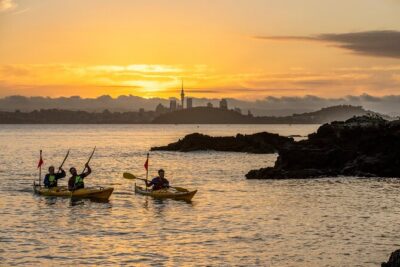 ★ 5.0Sunset kayak tour to Rangitoto IslandFrom $152168 reviews
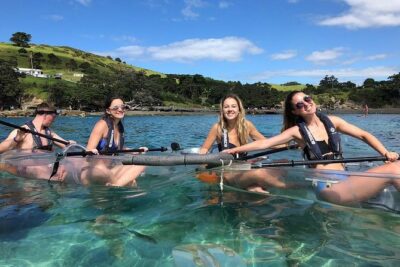 ★ 5.0Clearyak hire at Goat Island Marine ReserveFrom $17480 reviews
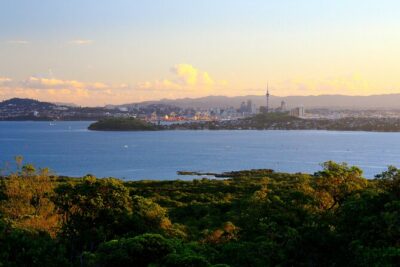 ★ 5.0Day sea kayak tour Rangitoto IslandFrom $15279 reviews
 ★ 5.0Sunset & Night Sea Kayak Tour to Rangitoto IslandFrom $13860 reviews
 ★ 4.4Bioluminescence Kayak Tour with GuideFrom $7142 reviews
 ★ 5.0Motukorea / Browns Island Sea Kayak JourneyFrom $12135 reviews
Browse the lists this tour appears in