
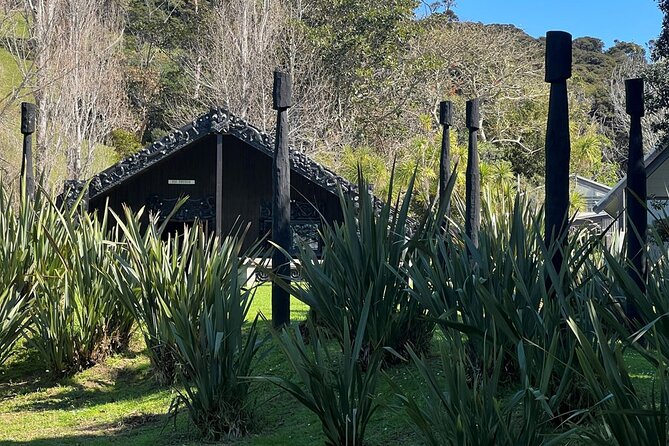
Reviewed · WAIHEKE ISLAND GETAWAYS
Waiheke Island History and Heritage Tour
A Māori lens changes Waiheke fast. This 6-hour small-group tour turns island sightseeing into a grounded walk through Te Ao Māori stories, places, and old-world archaeology. You meet your guide at the wharf, then move from big sea views into the places that shaped Māori life on Waiheke.
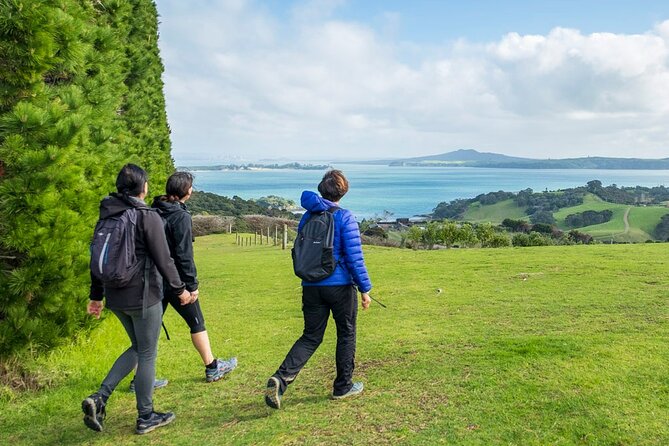
I particularly love the Hauraki Gulf and Auckland city viewpoints early on, because they help you read the island instead of just looking at it. I also like the focus on on-the-ground details: native bush plant knowledge and a pa (fortified village) summit with kumara pits, shell middens, and defensive terraces.
One heads-up: the tour price does not include the return ferry or lunch add-ons like wine/olive oil tasting. If you’re on a tight schedule, the walking component (native bush and reaching a pa summit) is also something to plan for.
In This Review
- Key things you’ll notice on this Waiheke Māori Heritage Tour
- Waiheke Through Te Ao Māori: What the Day Is Really About
- From Oneroa Wharf to Sea Views: Getting Your Bearings Fast
- Oneroa Stop: Beach Time and a Proper Local Lunch
- Carving, Ta Moko, and Māori Language Revitalisation at the Heart of the Story
- Native Bush Walk: Medicinal Plant Uses You’ll Remember
- The Pa Summit You Can Stand On: Kumara Pits and Shell Middens
- How the Guide Justine Makes This Feel Tailored
- Olive Oil and Wine Tasting: Good Options, Not Included
- Price and Value: What $381.65 Gets You (and What Doesn’t)
- Timing on Waiheke: 9:45 Start, 4pm Ferry, and Staying a Little Longer
- Who Should Book This Tour (and Who Might Skip It)
- Should You Book This Waiheke Māori Heritage Tour?
- FAQ
- Is the ferry included in the tour price?
- What time does the tour start?
- How long is the tour?
- Where do I meet the tour?
- What’s included in the price?
- Are alcoholic drinks included?
- How many people are in each tour?
- Will I see native birds on the walk?
- What’s the usual end point and how do I get back for the ferry?
- What is the cancellation policy?
Key things you’ll notice on this Waiheke Māori Heritage Tour
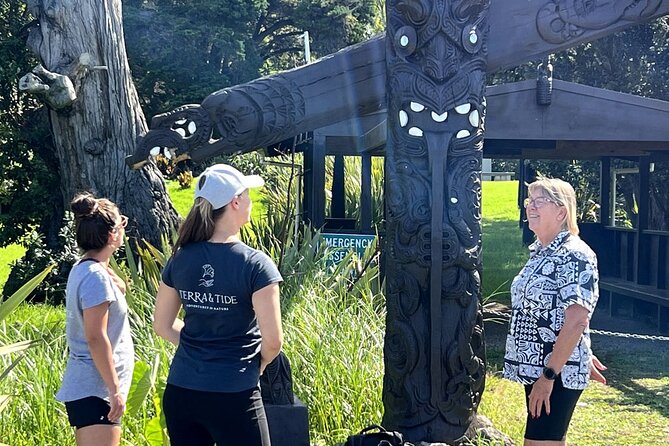
- Max 12 people keeps it personal and makes questions feel welcome
- Māori perspectives first, including carving, ta moko, language revitalisation, and colonisation impacts
- Pa-site archaeology you can actually stand on: kumara pits, shell middens, defensive terraces
- Native bush walk with traditional and medicinal plant uses
- Oneroa time plus a local café lunch, before returning for the afternoon ferry
Waiheke Through Te Ao Māori: What the Day Is Really About
Waiheke is famous for beaches and wineries. This tour gives you the other half of the story: how the island makes sense when you learn it through Māori eyes.
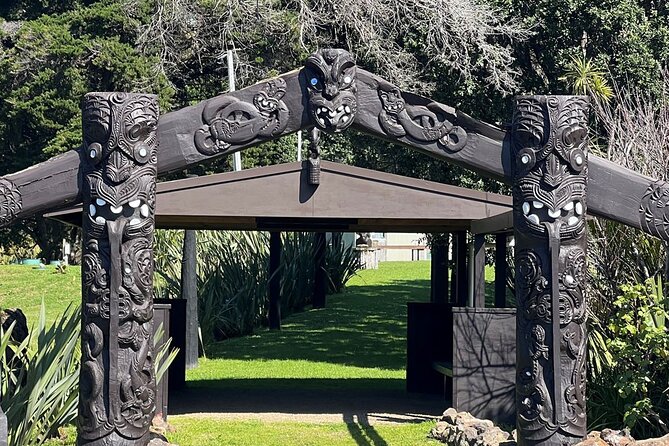
You start with cultural context that’s more than trivia. You’ll hear about the focal point of the Māori community on Waiheke, then learn why carving and traditional tattooing (ta moko) matter. The tour also covers the revitalisation of Māori language, and the real effects colonisation had on Māori people. That kind of context changes how you look at everything that follows, even if all you came for was a good day out.
And instead of being stuck in a museum-style talk, the knowledge is tied to places you can walk to: beaches, native bush, and an old pa site. When the stories connect to the terrain, the island becomes readable. That’s the big value here.
One ferry away: other Waiheke Island days from Waiheke Island
- Waiheke Island Premium Wine Tour with Tastings
★ 5.0 · 504 reviews - Waiheke Island: Zipline And Forest Walk
★ 5.0 · 483 reviews - Taste of Waiheke Food and Wine Tour
★ 4.5 · 465 reviews - WAIHEKE ZEITGEIST Small Groups Ultra Boutique Off Grid Wine Tours
★ 5.0 · 333 reviews
From Oneroa Wharf to Sea Views: Getting Your Bearings Fast
The morning begins with your local guide meeting you at the wharf after you arrive. Then you get an orientation around Waiheke that’s heavy on views, light on confusion.
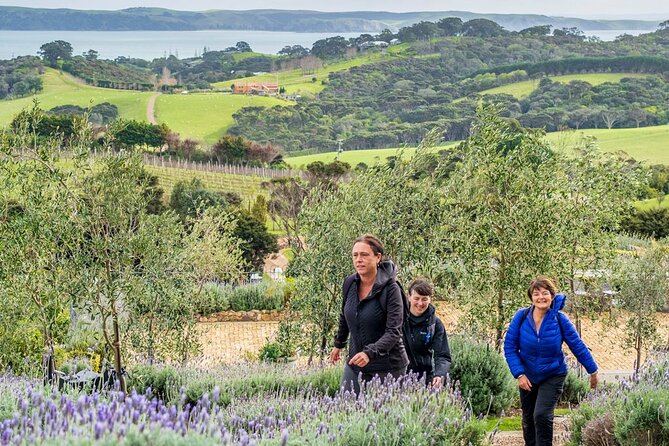
Expect sweeping scenery over the Hauraki Gulf, with views toward Auckland City and the Pacific Ocean. That matters because Waiheke is a long, varied island. If you understand the overall geography early, later stops feel more purposeful, not random.
You’ll also visit pristine white sand beaches. The tour doesn’t treat beaches like interchangeable postcard backdrops. You’re given history and stories of the places you see, so you’re not just watching waves roll in.
If you’re coming from Auckland for a short island day, this early overview helps you make better choices about what you’ll spend time on afterward. It’s also a nice way to settle into the island rhythm without jumping straight into hiking.
Oneroa Stop: Beach Time and a Proper Local Lunch
The day includes a stop in Oneroa, the main village area. This is a practical choice built into the schedule: it’s where you can reorient, grab a coffee, and reset before the deeper cultural and nature parts of the tour.
Lunch is at a local café, with food and coffee included. For me, that’s an underrated piece of the value equation. Waiheke can tempt you into spending more than planned, and café time keeps you fueled for the walk later.
If you like browsing or picking up small gifts, the tone of this tour is flexible. For example, one review highlighted that the guide tailored time so there was room to shop for a gift in Oneroa. That kind of flexibility can make a big difference on a single day.
Carving, Ta Moko, and Māori Language Revitalisation at the Heart of the Story
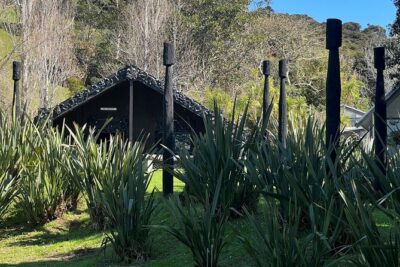
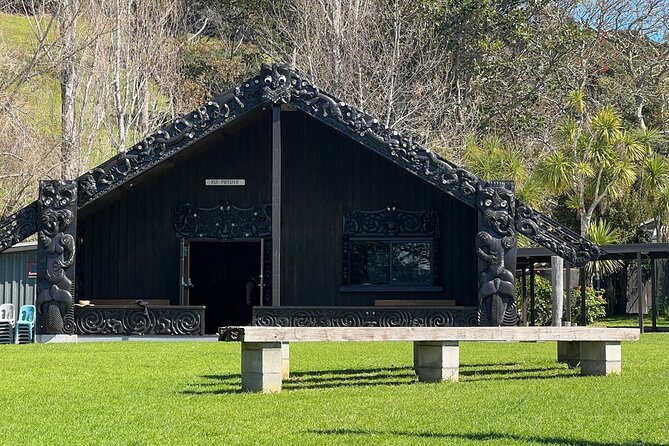
This is the cultural core of the tour. You’ll visit the focal point of the Māori community on Waiheke and learn why carving and traditional tattooing are not just art forms, but ways of carrying identity and knowledge.
You’ll also hear about carving and traditional tattooing’s significance, and how language revitalisation is playing a role today. The tour explains the impact of colonisation on Māori people, which is important context if you want to understand why language and cultural practices had to be protected, revived, and strengthened.
What I like about this approach is that it doesn’t separate culture from place. Instead, it builds a link between what you’re learning and where you’re standing. That’s how the information sticks.
Also, the guide-led style matters. With a maximum of 12 people, you’re more likely to get answers to the questions you actually have, instead of a script that rushes past everything.
Still deciding? Other Waiheke Island history tours
Native Bush Walk: Medicinal Plant Uses You’ll Remember
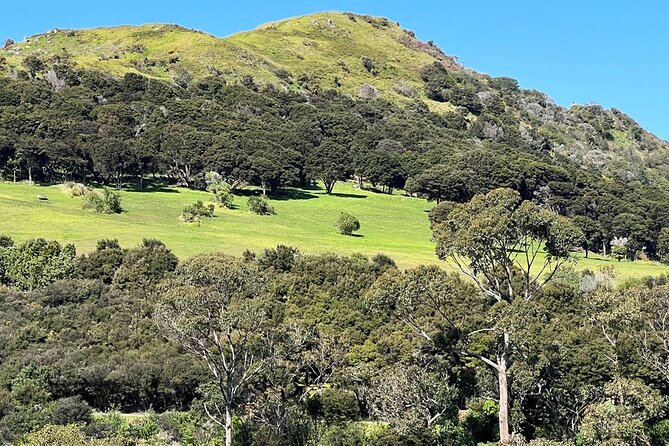
Later in the tour, you take a guided walk through native bush. This is where the day gets grounded in the ecology of the island.
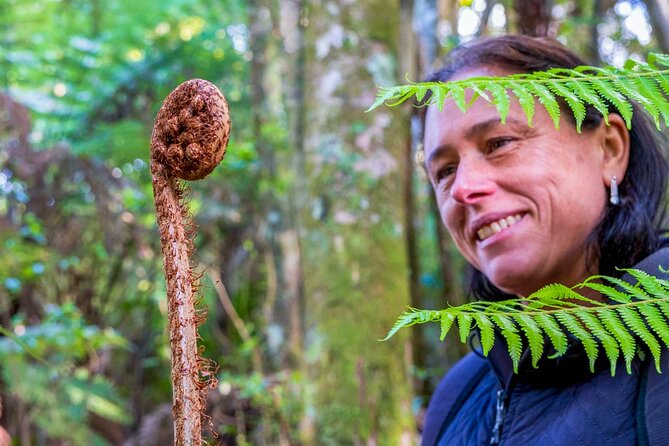
Your guide explains traditional and medicinal Māori uses of native plants. Even if you don’t retain every name, the pattern is useful: you learn why the plant matters, how it was used, and what that says about Māori relationship with the land.
You’ll also likely see native birds such as tui, kereru, and piwakawaka. You don’t have to be a birdwatcher for this to be satisfying. The value is in noticing the life around you while someone puts it into context.
Practical note: this is not a sit-and-watch experience. It’s a walk. If you have mobility concerns, you’ll want to factor in that you’ll be moving through native bush and reaching a pa summit.
The Pa Summit You Can Stand On: Kumara Pits and Shell Middens
One of the strongest parts of the tour is the walk up to a pa (fortified village) site with archaeological remains. This is the sort of place you remember because it looks different from the surrounding land.
You’ll see:
- kumara pits
- shell middens
- defensive terraces
Those features aren’t just decoration. They show how people lived, stored food, and planned for defence. When a guide ties these remains to daily life, the past becomes physical instead of abstract.
You’re also getting the benefit of a summit viewpoint, which means the archaeology is paired with the island’s scale. You understand why a place like this location would matter, both strategically and for everyday life.
How the Guide Justine Makes This Feel Tailored
A lot of tours say they are flexible. This one actually seems to run that way, especially with the guide Justine.
One review mentioned that Justine tailored the day to match specific needs: a shorter bush tour when needed, plus time to visit Oneroa for a gift. Another review described a day that included an art coastline hike, a stop at Piritahi Marae, and time for shopping and coffee.
That mix tells you something important: this isn’t only about hitting a checklist. The guide can shape the pacing so your day doesn’t feel like a speedrun through culture and nature.
And even if you don’t seek extra stops, a guided day with someone who can adjust makes the experience feel less mechanical. It also helps if you’re the type who asks questions and doesn’t want to be hurried.
Olive Oil and Wine Tasting: Good Options, Not Included
You might see opportunities for food and drink stops, including things like olive oil tasting and wine tasting. In the tour description, wine and olive oil tasting are not included, so treat them as optional add-ons.
That said, one review called out olive oil tasting at AllPress and wine tasting at Mudbrick as highlights. Translation for your budget: if you care about tastings, plan extra money. If you don’t, you can still enjoy the day without feeling like you’re missing the main event.
Also, because lunch is included, you won’t need to spend your whole day hunting for meals between stops.
Price and Value: What $381.65 Gets You (and What Doesn’t)
The tour price is $381.65 per person, and it’s usually booked about 66 days in advance. The duration is about 6 hours, and the group size tops out at 12 people, which helps keep the experience personal.
Now, what you get included is the real value driver:
- an expert local guide
- cultural orientation and guided walks
- time at key community and nature/cultural sites
- lunch at a local café
What you must budget separately:
- the return ferry (the provider notes tickets can be purchased for $42 per adult return)
- wine and olive oil tasting, which are not included
When you add it up, the total cost is not just the tour headline price. But the guide-heavy structure is what you’re paying for: someone local guiding you through Māori heritage, plant knowledge, and a pa-site with archaeological remains.
If you’re the kind of person who wants more than photos, this can be a strong deal compared with cheaper island tours that only scratch the surface. If you just want beaches and winery views, you might be better off with a more casual plan.
Timing on Waiheke: 9:45 Start, 4pm Ferry, and Staying a Little Longer
You start at 9:45 am. The tour is designed to finish with enough time to catch the return 4pm ferry back to Auckland.
Your guide drops you back to the wharf in time for that ferry. If you want more island time, you can ask to be dropped in Oneroa, then make your own way back by either a 15-minute walk or a short bus ride.
This is a nice feature for people who don’t want the day to end abruptly. You can extend into Oneroa for browsing, more café time, or an extra beach stop after the guided portion is done.
Who Should Book This Tour (and Who Might Skip It)
This tour fits best if you want:
- a Māori-led perspective on Waiheke, not just scenery
- a guided walk through native bush with practical plant stories
- time to see pa-site archaeology like kumara pits and shell middens
- a small group day (max 12) where you can ask questions
You might choose a different plan if you want mostly low-walking sightseeing, or if you’re strictly trying to keep total cost down after factoring in the ferry and lunch-plus-tasting choices.
Also, the day does include walking to a pa summit and moving through native bush. The tour says most people can participate, but it’s still smart to wear footwear with grip and bring a layer in case the air cools near the coast.
Should You Book This Waiheke Māori Heritage Tour?
Yes, I’d book it if your idea of a great island day includes meaningful stories tied to real places. The combination of sea-view orientation, Māori community learning, native bush plant knowledge, and pa-site archaeology is unusual—and it’s the kind of day that makes Waiheke feel bigger than its wineries.
Book it especially if you like tours with a human guide who can tailor the pacing. If you want to add tastings, budget for them since wine and olive oil tasting aren’t included.
If you’re planning Waiheke for a single day, this is a strong way to spend it: you leave with better context, not just more photos.
FAQ
Is the ferry included in the tour price?
No. Ferry to/from Waiheke Island is not included. You can purchase return ferry tickets through the provider for $42 per adult.
What time does the tour start?
The tour starts at 9:45 am.
How long is the tour?
It runs about 6 hours (approx.).
Where do I meet the tour?
You meet at the Fullers360 Matiatia ticket office at 1 Ocean View Road, Oneroa, Auckland 1081, New Zealand.
What’s included in the price?
The tour includes an expert local guide and lunch at a local café. The return ferry and wine/olive oil tasting are not included.
Are alcoholic drinks included?
No. Wine and olive oil tasting are not included.
How many people are in each tour?
The maximum group size is 12 travelers.
Will I see native birds on the walk?
The guide says you will likely see native birds such as tui, kereru, and piwakawaka.
What’s the usual end point and how do I get back for the ferry?
The tour ends back at the meeting point and the guide drops you back in time for the return 4pm ferry. If you prefer, you can be dropped in Oneroa to make your own way back by walking or bus.
What is the cancellation policy?
Free cancellation is available. You can cancel up to 24 hours in advance of the experience start time for a full refund.
More History Tours to Fill a Waiheke Island Day
- Waiheke Island: Maori Cultural Tour + Lunch + Wine
★ 4.1 · 8 reviews - Waiheke Island Private History and Heritage Tour
★ 4.5 · 7 reviews
More Tours Around Waiheke Island
- Waiheke island Wine Tours – PREMIUM wine tasting MAX 11 clients !
★ 5.0 · 1,378 reviews - Waiheke Island Premium Wine Tour with Tastings
★ 5.0 · 504 reviews - Waiheke Island: Zipline And Forest Walk
★ 5.0 · 483 reviews - Taste of Waiheke Food and Wine Tour
★ 4.5 · 465 reviews - WAIHEKE ZEITGEIST Small Groups Ultra Boutique Off Grid Wine Tours
★ 5.0 · 333 reviews
Across to Waiheke
- Waiheke island Wine Tours – PREMIUM wine tasting MAX 11 clients !
★ 5.0 · 1,378 reviews - Waiheke Island Premium Wine Tour with Tastings
★ 5.0 · 504 reviews - Waiheke Island: Zipline And Forest Walk
★ 5.0 · 483 reviews - Taste of Waiheke Food and Wine Tour
★ 4.5 · 465 reviews - WAIHEKE ZEITGEIST Small Groups Ultra Boutique Off Grid Wine Tours
★ 5.0 · 333 reviews
Fresh off the boat: newer Waiheke Island tours to browse
Waiheke Island Getaways, compared.
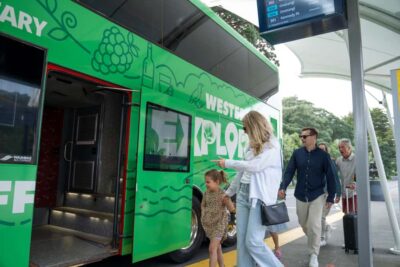 ★ 4.6Waiheke Island: Ferry & Hop-On Hop-Off Explorer Bus TicketsFrom $593,311 reviews
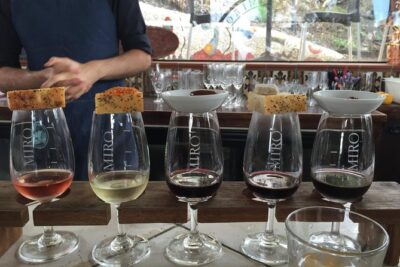 ★ 5.0Waiheke island Wine Tours – PREMIUM wine tasting MAX 11 clients !From $1551,378 reviews
 ★ 4.7Waiheke Island Wineries’ TourFrom $110934 reviews
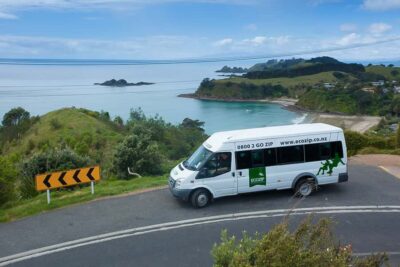 ★ 4.9Waiheke Island: Zipline and Native Forest Adventure TripFrom $89695 reviews
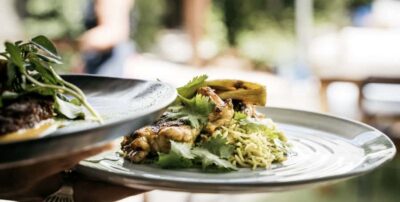 ★ 4.8Waiheke Island: Wine Tour & Lunch at Award Winning VenueFrom $173510 reviews
 ★ 5.0Waiheke Island Premium Wine Tour with TastingsFrom $111504 reviews
 ★ 5.0Waiheke Island: Zipline And Forest WalkFrom $92483 reviews
 ★ 4.5Taste of Waiheke Food and Wine TourFrom $179465 reviews
Browse the lists this tour appears in