
Reviewed · WAIHEKE ISLAND GETAWAYS
Waiheke Island Private History and Heritage Tour
Waiheke changes when you hear Māori stories. This private 6-hour tour gives you a clear Māori perspective on the island, with an early Hauraki Gulf orientation plus stops that connect beaches, bush, and community sites to place-based history. I also like that you’re not stuck in a rushed loop of look-and-take photos; you get time to ask questions and slow down.
One thing to consider: if you’re hoping to casually walk onto a Māori marae or see a staffed welcome hut up close, set your expectations carefully. Access usually depends on a formal welcome process called a powhiri, and it isn’t something you can count on during your visit.
In This Review
- Key Things You’ll Actually Get Out of This Tour
- A Private Waiheke Day with a Māori Lens
- Getting Your Bearings: Where the Day Starts and How You Arrive
- Stop 1: Oneroa Orientation and Island Views That Actually Help
- Stop 2: Beaches, Place Stories, and Learning to Read Waiheke
- Carving, Tattooing, and Māori Language Revitalisation (and What Might Be Missed)
- Native Bush Walk: Medicinal Plants and Bird Calls on the Way to History
- The Pa-Site Summit Walk: Kumara Pits, Shell Middens, and Defensive Terraces
- Lunch in a Local Cafe: Plan for Food Costs and a Real Coffee Break
- Ferry Timing and Your Escape Options Back to Oneroa
- Price and Logistics: Is $465.43 Good Value?
- Who This Tour Suits Best (and Who Might Want Something Else)
- Should You Book This Tour?
Key Things You’ll Actually Get Out of This Tour
- A private group with an expert local guide, so questions don’t get cut short
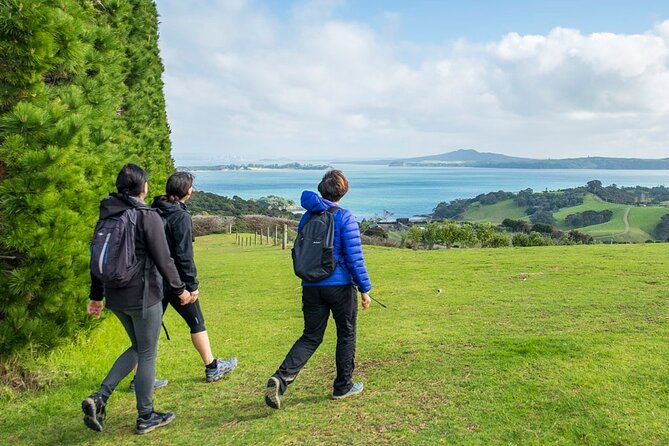
- Hauraki Gulf sea views looking toward Auckland City and out across the Pacific
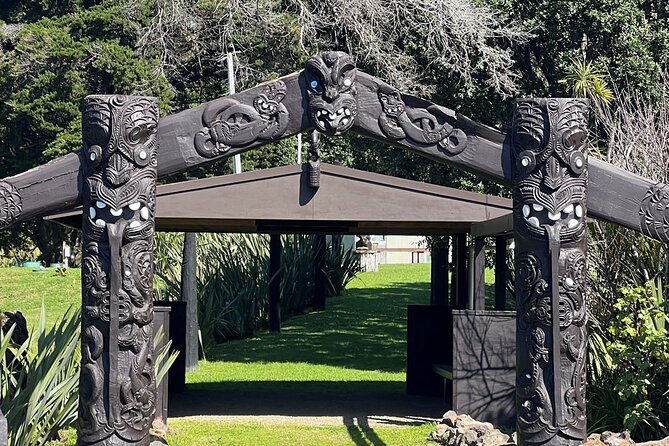
- Carving, traditional tattooing, and Māori language revitalisation through lived cultural context
- Native bush walking with traditional and medicinal uses of plants
- A pa-site summit walk with kumara pits, shell middens, and defensive terraces
- Bird-spotting potential for tui, kereru, and piwakawaka during the walk
A Private Waiheke Day with a Māori Lens
This is a full, guided day on Waiheke Island built around understanding the land through Māori eyes. That matters because Waiheke can feel like an easy day-trip wine-and-view place from a distance. This tour steers you toward why places matter, how people lived here, and what changed after colonisation.
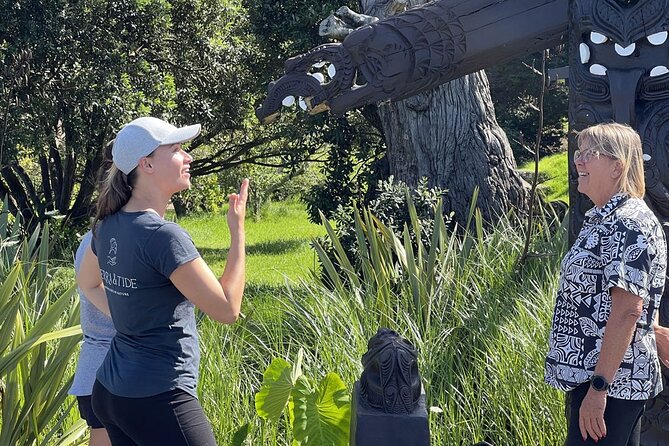
You start with a guide who meets your group at the wharf area and stays with you for the main sightseeing flow. Because it’s private, you aren’t blending into a big bus group. I like that even when the day includes viewpoints and beaches, it’s still framed like a conversation: you’re learning how to read the island, not just where to stand for a photo.
The tour runs about 6 hours and is designed to line up with ferry timing. If you like the idea of returning to your hotel with energy left (instead of hiking until you’re wrecked), this pacing is a good fit.
One ferry away: other Waiheke Island days from Waiheke Island
- Waiheke Island Premium Wine Tour with Tastings
★ 5.0 · 504 reviews - Waiheke Island: Zipline And Forest Walk
★ 5.0 · 483 reviews - Taste of Waiheke Food and Wine Tour
★ 4.5 · 465 reviews - WAIHEKE ZEITGEIST Small Groups Ultra Boutique Off Grid Wine Tours
★ 5.0 · 333 reviews
Getting Your Bearings: Where the Day Starts and How You Arrive
You’ll meet at Fullers360 Matiatia ticket office at 1 Ocean View Road, Oneroa, Auckland 1081. The start time is 9:45 am, and the tour is set up so you can fit it cleanly into a Waiheke day.
Ferry tickets are not included in the tour price. The good news: you can buy return ferry tickets from the provider for $42 per adult return. If you’ve never done Waiheke logistics before, do yourself a favour and plan ferry times early. The tour is built to get you back in time for a 4pm return ferry.
This meeting setup also hints at the tour’s practical style. You’re not going to be dropped somewhere random and left to figure things out. You’ll be routed so the guide can get you to beaches, community-focused areas, and the pa-site walk without wasting time.
Stop 1: Oneroa Orientation and Island Views That Actually Help
Oneroa is the place most visitors use as their base, so starting your day with an orientation there makes sense. You’ll begin with an overview of Waiheke and its relationship to the wider Hauraki Gulf.
The tour includes an opening sea-view look out over the Hauraki Gulf, toward Auckland City, and across the Pacific Ocean. These viewpoints aren’t just scenic filler. They help you understand the geography that shapes where people settled, how they moved around the island, and why certain coastal spots matter.
From a traveller’s angle, this kind of orientation is a value-add because it changes how you experience later stops. After you’ve seen the island from the right angles, beaches and lookout points start to feel connected instead of separate.
Stop 2: Beaches, Place Stories, and Learning to Read Waiheke
After the early orientation, you’ll get out to pristine white-sand beaches and hear history tied to the places you’re standing on. The tour doesn’t just say “this is significant.” It explains how people understood the coast and the island’s resources.
A big part of what you’ll get here is narrative context. The guide shares stories that connect the island’s geography to daily life, community, and how Māori relationships with land continue today. That makes beach time more than a break from sightseeing—it becomes part of the lesson.
If you enjoy travelling with your eyes open—watching how the coastline bends, spotting where bush meets sand, noticing how people use space—this is the kind of tour that clicks for you.
Still deciding? Other Waiheke Island history tours
Carving, Tattooing, and Māori Language Revitalisation (and What Might Be Missed)
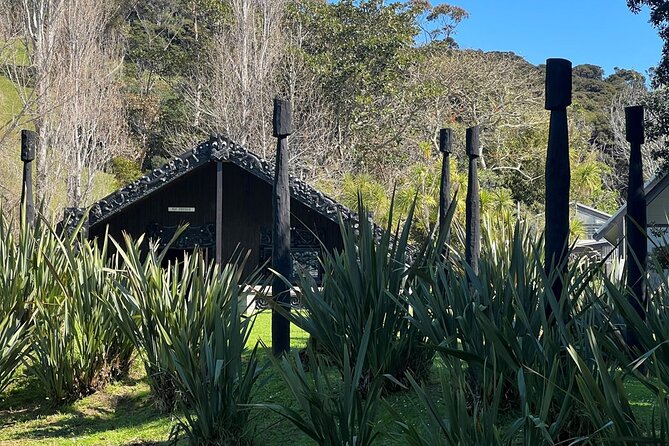
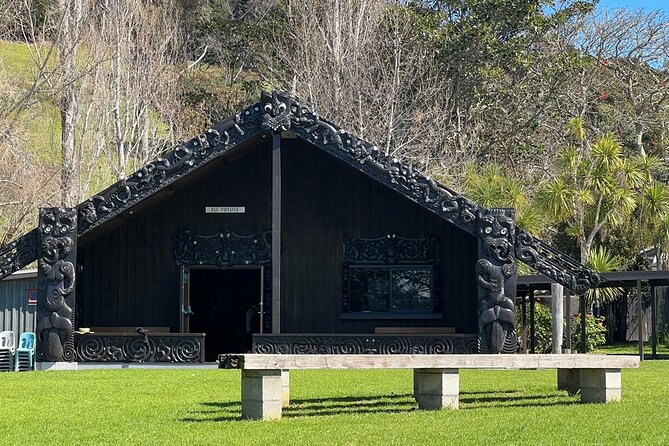
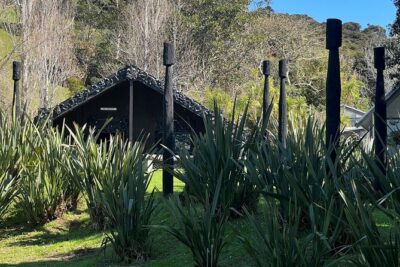
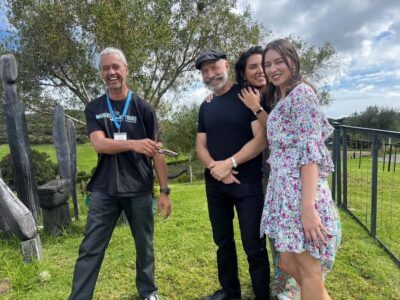
One of the tour’s core promises is a focus on Māori community life on Waiheke. You’ll visit the focal point of the Māori community and learn about the significance of carving and traditional tattooing, plus the impact of colonisation on Māori people.
You’ll also hear about Māori language revitalisation. Even if you don’t know the details yet, you’ll leave understanding that language recovery isn’t an abstract project. It’s bound up in identity, education, and how communities keep knowledge alive.
A practical note here, based on a key concern raised about this kind of experience: you may see structures like a welcome hut, but that doesn’t mean you’ll be able to go inside or receive a formal welcome on the day. A Māori marae and related spaces typically require a proper powhiri for visitors. It’s not something a guide can switch on like a door that’s supposed to be open.
So, the best way to approach this is to enjoy what’s available through your guide’s storytelling and visit the places you can access. If you’re hoping for a full formal welcome ceremony experience every time, treat that as uncertain rather than guaranteed.
Native Bush Walk: Medicinal Plants and Bird Calls on the Way to History
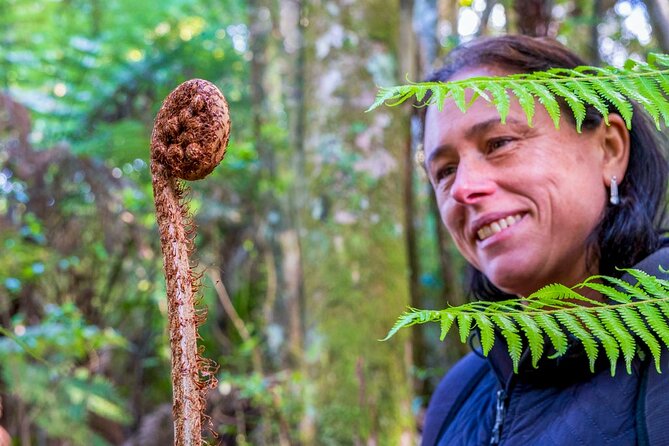
The guided walk through native bush is where the tour starts feeling physical in a good way. Your guide talks about traditional and medicinal uses of native plants, which makes the greenery feel useful, not just pretty.
You’ll be walking to a pa (fortified village) site with archaeological remains. The route is part education, part field trip, and part nature walk. If you’re the kind of person who enjoys looking at plants more closely—what species might be used for, where it grows, how people understood it—this section will likely be a highlight.
Birds can add surprise value. The tour notes you might see native birds like tui, kereru, and piwakawaka. Even if you don’t see all three, the guide’s awareness of the area tends to make it easier to notice what’s around you.
Wear something you don’t mind getting a little dusty. Native bush paths can be uneven, and you’ll be moving enough that comfort matters more than fashion.
The Pa-Site Summit Walk: Kumara Pits, Shell Middens, and Defensive Terraces
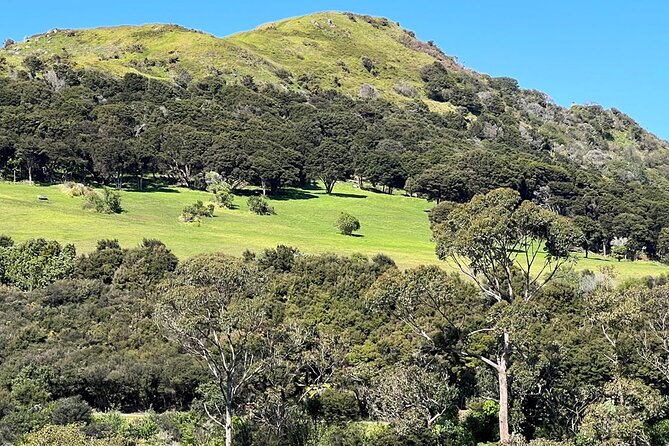
Getting to the summit of a pa site is one of the most meaningful parts of the day. Here, you’re not just learning general “island history.” You’re learning by standing near physical evidence of how people lived, stored food, and organised defence.
The archaeological remains you’ll learn about include:
- kumara pits (food storage)
- shell middens (evidence of past harvesting and daily life)
- defensive terraces (how communities planned for safety and protection)
This is the kind of stop that rewards attention. Watch the way the terrain shapes movement and visibility. Even when you can’t see everything at once, your guide helps you understand what you’re looking at and why it matters.
If you’re curious about archaeology, you’ll like the way the explanation ties remains to real-life behaviour: where food could be stored, where people might have worked, and how the site’s design helped with defence. It’s history you can walk through.
Lunch in a Local Cafe: Plan for Food Costs and a Real Coffee Break
Lunch is at a local cafe and includes coffee in the vibe of the break. The catch is that lunch itself is not included in the tour price.
So here’s the practical approach: consider this portion of the day as time built into your schedule to reset with food and a proper drink, but budget extra for what you order. If you have dietary needs, you’ll want to communicate them when you arrive at the cafe.
There’s also an optional wine and olive oil tasting mentioned for an additional cost that won’t exceed $50. If that’s your thing, it can add a Waiheke-flavoured finish. If you prefer to keep costs steady, skip it and use the time to enjoy the cafe break at your own pace.
Ferry Timing and Your Escape Options Back to Oneroa
The tour is designed to bring you back to the wharf in time for the return 4pm ferry. That’s a helpful safety net if you’re not sure how long everything will take once you’re walking in native bush.
If you’d rather stay longer on the island, you can be dropped in Oneroa and make your own way back to the ferry. The tour notes you can do this via either a 15-minute walk or a short bus ride.
This option matters if you want to tack on a casual afternoon after the structured parts are over—maybe a beach stroll, a quick café visit, or shopping around the main area. But don’t assume last-minute timing flexibility. Build your day so you can still get to the ferry without stress.
Price and Logistics: Is $465.43 Good Value?
At $465.43 per person for an about-6-hour private tour, the price isn’t “budget friendly.” But it can be fair value depending on what you care about.
Here’s what you’re paying for:
- a private guided experience, not a group bus-style lecture
- an expert local guide with cultural storytelling
- time built into the day for orientation, beaches, a native bush walk, and the pa-site visit
- a schedule that works around the island’s ferry rhythm
What isn’t included helps explain the total cost picture. Ferry tickets are extra (return $42 per adult), and lunch is not included. Optional wine/olive oil tasting can add up too.
If you’re travelling solo, this can feel pricey because you’re not sharing guide costs in the way a small group might. If you’re travelling with a companion and want a more meaningful day than the typical checklist stops, it becomes easier to justify.
Also, the tour is booked an average of 50 days in advance, which tells me it’s in demand. That often means good availability isn’t guaranteed late in your planning window.
Who This Tour Suits Best (and Who Might Want Something Else)
This tour is a strong match if you want a day on Waiheke that’s grounded in Māori culture and place-based knowledge. You’ll likely enjoy it if you:
- care about understanding land and community, not just sights
- like guided walking with context
- want a private format where the guide can respond to your questions
- enjoy learning through stories tied to physical places (bush, beaches, pa sites)
It might feel like the wrong fit if your main goal is to see everything at Waiheke with maximum variety and minimum walking. This day is intentionally focused. It isn’t built as a wine crawl or a do-everything highlight reel.
And if you’re expecting to enter community spaces on demand, slow down and reset expectations around formal access like powhiri.
Should You Book This Tour?
Book it if you want a meaningful Waiheke day that connects views and beaches to Māori knowledge, community life, and the physical traces of past settlement. The pa-site walk, the native bush explanations, and the carving/tattoo/language themes are the heart of the experience, and they’re exactly the kind of learning that lasts longer than a photo.
Skip or reconsider if you mainly want a general overview of Waiheke’s sights, or if you need a guaranteed formal marae welcome experience. Also, if you’re sensitive to extra costs, factor in the ferry and lunch up front so the total doesn’t surprise you.
If your goal is to understand Waiheke beyond the shoreline, this private heritage-focused tour is a solid choice.
More History Tours to Fill a Waiheke Island Day
- Waiheke Island History and Heritage Tour
★ 5.0 · 39 reviews - Waiheke Island: Maori Cultural Tour + Lunch + Wine
★ 4.1 · 8 reviews
More Tours Around Waiheke Island
- Waiheke island Wine Tours – PREMIUM wine tasting MAX 11 clients !
★ 5.0 · 1,378 reviews - Waiheke Island Premium Wine Tour with Tastings
★ 5.0 · 504 reviews - Waiheke Island: Zipline And Forest Walk
★ 5.0 · 483 reviews - Taste of Waiheke Food and Wine Tour
★ 4.5 · 465 reviews - WAIHEKE ZEITGEIST Small Groups Ultra Boutique Off Grid Wine Tours
★ 5.0 · 333 reviews
Across to Waiheke
- Waiheke island Wine Tours – PREMIUM wine tasting MAX 11 clients !
★ 5.0 · 1,378 reviews - Waiheke Island Premium Wine Tour with Tastings
★ 5.0 · 504 reviews - Waiheke Island: Zipline And Forest Walk
★ 5.0 · 483 reviews - Taste of Waiheke Food and Wine Tour
★ 4.5 · 465 reviews - WAIHEKE ZEITGEIST Small Groups Ultra Boutique Off Grid Wine Tours
★ 5.0 · 333 reviews
Fresh off the boat: newer Waiheke Island tours to browse

Waiheke Island Getaways, compared.
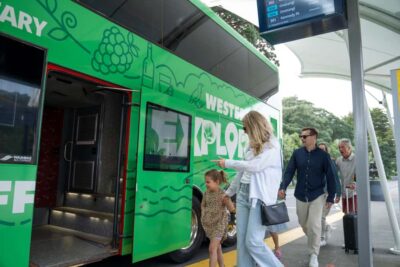 ★ 4.6Waiheke Island: Ferry & Hop-On Hop-Off Explorer Bus TicketsFrom $593,311 reviews
 ★ 5.0Waiheke island Wine Tours – PREMIUM wine tasting MAX 11 clients !From $1551,378 reviews
 ★ 4.7Waiheke Island Wineries’ TourFrom $110934 reviews
 ★ 4.9Waiheke Island: Zipline and Native Forest Adventure TripFrom $89695 reviews
 ★ 4.8Waiheke Island: Wine Tour & Lunch at Award Winning VenueFrom $173510 reviews
 ★ 5.0Waiheke Island Premium Wine Tour with TastingsFrom $111504 reviews
 ★ 5.0Waiheke Island: Zipline And Forest WalkFrom $92483 reviews
 ★ 4.5Taste of Waiheke Food and Wine TourFrom $179465 reviews
Browse the lists this tour appears in