Reviewed · AUCKLAND
Northern Explorer Train Journey from Auckland to Wellington
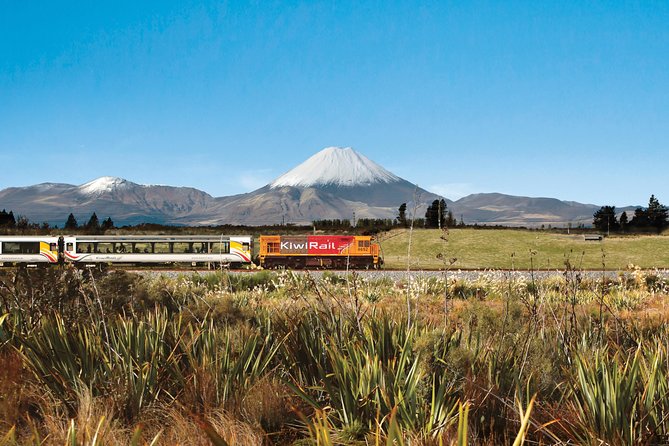
A long train day, minus the hassle. The Northern Explorer is a romantic way to cross New Zealand in one shot, with award-style carriages and big viewing chances through Tongariro National Park and the Raurimu Spiral.
I love having an open-air spot where you can actually feel the weather and watch the scenery go by.
You’ll also love the GPS-triggered audio delivered through headphones at every seat, which helps you know what you’re seeing without craning your neck. Add the comfy, specially designed seating and you’ve got a journey that feels built for enjoying the ride, not just enduring it.
One thing to think about: this is still a full day on the train, and timing can shift. If you’re the kind of person who hates long stretches, plan your day like it’s closer to a 12-hour commitment than an 11-hour one.
In This Review
- Key things to know before you board
- Auckland Strand Parnell to Wellington Station: timing and how the day really flows
- What you’ll see on the Central Plateau run: Waikato farms to volcanic power
- Tongariro National Park: how to catch the volcanic drama without burning the whole day
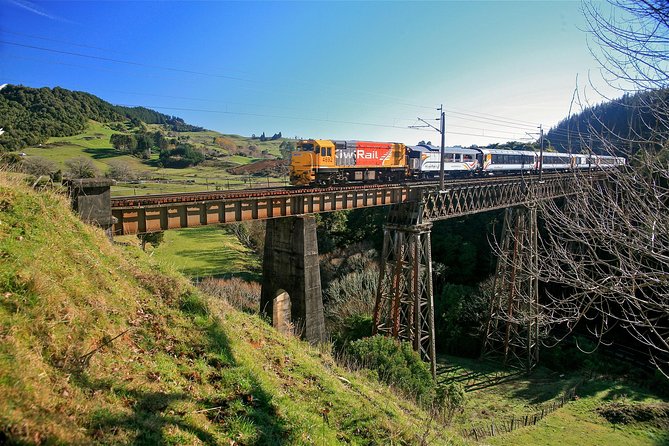
- Raurimu Spiral near National Park: the railway feat you can feel
- Open-air viewing decks: your best tool for real photos and real feelings
- Seats, comfort, and the long-day reality: what to pack and how to choose your space
- Onboard food: the café carriage, what’s worth it, and how to keep your budget sane
- Service on board: staff support and the human touch on a long ride
- Price and value at about $164.45 per person: is it worth skipping other transport?
- Weather, delays, and schedule slip: staying flexible without losing the fun
- Should you book the Northern Explorer Auckland to Wellington?
- FAQ
- How long is the Northern Explorer journey from Auckland to Wellington?
- What time does the train depart Auckland?
- Where are the meeting points for this one-way trip?
- What’s included in the ticket price?
- Are meals included?
- Can you buy alcoholic drinks onboard?
- Is there open-air viewing available?
- Is the group size limited?
- What happens if I cancel?
Key things to know before you board
- Open-air viewing decks for fresh air and unobstructed views
- GPS-triggered audio at every seat so you don’t miss what matters
- Tongariro’s volcanic trio (Tongariro, Ngauruhoe, Ruapehu) and dramatic contrasts
- Raurimu Spiral near National Park, a famous rail engineering moment
- Café carriage on board with snacks and light meals you can buy
- Small group cap (15 people) tied to this booking, so the day feels calmer
Auckland Strand Parnell to Wellington Station: timing and how the day really flows
The Northern Explorer runs one way from Auckland to Wellington, with departure at 7:45 am from Auckland Strand Parnell. The end point is Wellington Station on Bunny Street in Pipitea. The trip length is listed at about 11 hours, but real life isn’t always that tidy.
Here’s how to set yourself up. You’ll want to arrive at least 20 minutes early to check in and collect your boarding pass. That buffer matters because departures can be busy, and once you’re on board, the best views often happen during the first part of the run, before the day settles into meal breaks and sightseeing-car rides.
Also, keep a flexible mindset. One of the tricky parts of any long-distance rail day is that service issues can cause adjustments—like boarding changes that involve a bus connection before you join the main train. You can’t control that. What you can control is arriving early, keeping essentials easy to grab, and not scheduling something tight right after you land in Wellington.
Still mapping out Auckland? A few more tours worth a look.
- Waiheke Island: Ferry & Hop-On Hop-Off Explorer Bus Tickets
★ 4.6 · 3,311 reviews - Hobbiton & Waitomo Caves Guided Day Trip from Auckland incl lunch
★ 5.0 · 2,677 reviews - From Auckland: Hobbiton & Waitomo Caves Day Trip with Lunch
★ 4.9 · 2,505 reviews - Auckland Dolphin and Whale Watching Eco-Safari Cruise
★ 4.5 · 1,790 reviews
What you’ll see on the Central Plateau run: Waikato farms to volcanic power
This train route is designed to show you a slice of New Zealand that changes fast. You start with rolling green country and farmland, then you move toward the volcanic and rugged heart of the North Island. The big win is that you don’t just pass through scenery—you pass through different kinds of scenery, back-to-back.
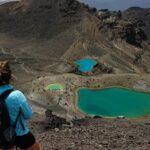
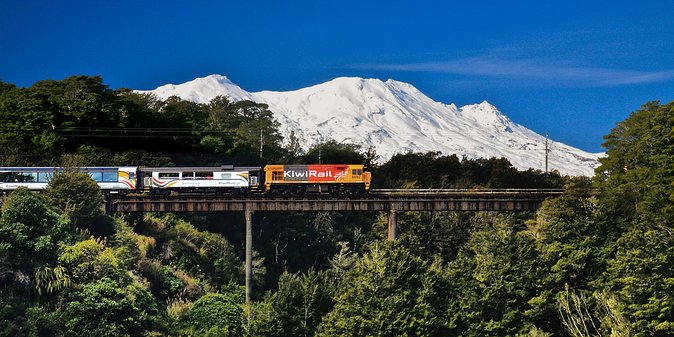
One highlight you’ll hear about and then actually see is Tongariro National Park, famous for three volcanic peaks: Tongariro, Ngauruhoe, and Ruapehu. Even from the windows, you can catch the extremes: snow-blanketed fields can sit near older lava flows, and you can spot dense beech forest after stark, rocky sections. That contrast is exactly why trains work well here. You don’t need to hike to feel the scale. You watch it unfold at human speed.
If you’re the type who likes context, use the GPS audio while you ride. It helps you connect the dots: what the mountains are, what kind of terrain you’re crossing, and when engineering moments are coming up. You’ll spend less time guessing and more time simply watching.
A practical note: this is a long run, so treat sightings like a rhythm. Look out on approach, then give yourself breaks inside—because the scenery is best when you’re not rushing.
Tongariro National Park: how to catch the volcanic drama without burning the whole day
Tongariro is the part many people remember first, and for good reason. The park’s volcanic peaks create a backdrop that’s hard to miss when the light hits right. But the real payoff isn’t only the mountains—it’s how quickly the surroundings change.
Here’s what you can do to make this section work for you. When you enter the park area, shift your plan from seat-only viewing to “windows plus movement.” Periodically check the windows, then head back to the viewing space when you want a clearer feel for distance and scale. The train’s pacing helps: you get multiple chances to see the same feature as it changes with the angle of the sun.
If you prefer less crowding, timing matters. Avoid hovering at the rail viewing doors at the exact moment everyone stands up at once. Step out for short bursts, then return to your seat. You’ll get more personal viewing time and you’ll still catch the big moments.
And don’t forget warmth and layers. Even in pleasant weather, rail air systems can swing. Bring a light jacket or sweater so you’re comfortable when you go back and forth between the viewing areas and the main carriage.
Raurimu Spiral near National Park: the railway feat you can feel
If Tongariro gives you the drama of nature, the Raurimu Spiral gives you the drama of human problem-solving. This is a signature railway engineering moment near National Park, and you’ll notice it not just by what you see, but by how the train seems to work.
The spiral section is a place where the train effectively loops through terrain, letting the route gain height in a way that looks almost impossible from ground level. From your window, you can watch the line curve and return, and it’s a cool change from straight-ahead countryside.
This is where the GPS audio really earns its place. When it cues you to what you’re approaching, it helps you interpret what’s happening in real time. You’ll likely find yourself checking the window more often and understanding why the track is arranged the way it is.
Want the best view? Keep one eye on the outside, but don’t get glued in one spot for the whole spiral. Move to where you can get the best angle, and then relax back into the seat for the next segment.
Open-air viewing decks: your best tool for real photos and real feelings
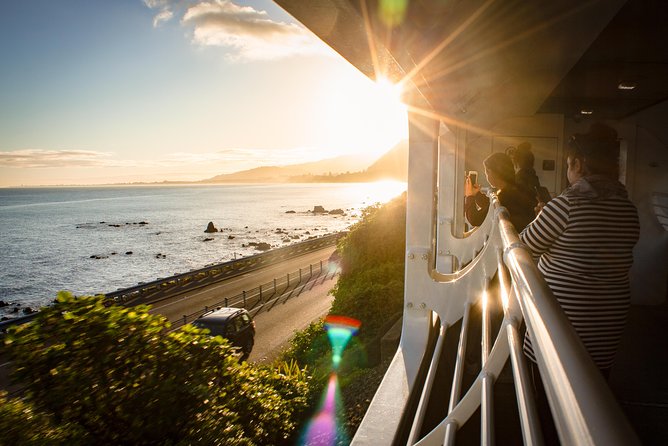
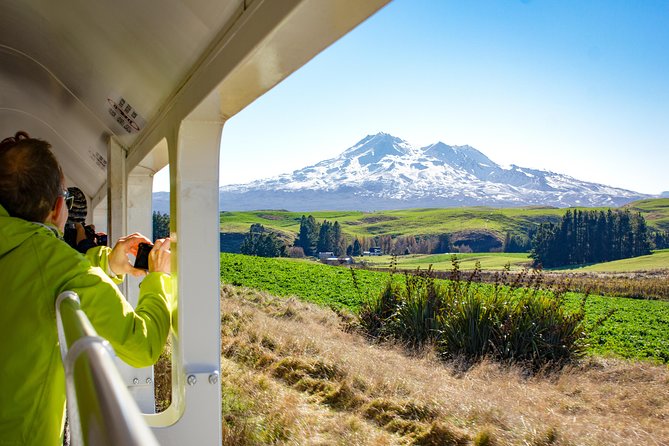
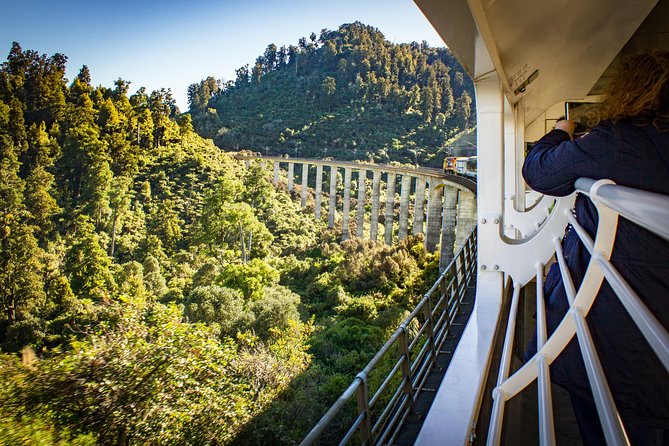
One of the most-loved features is that you’re not trapped behind glass all day. There are open-air viewing decks, which means you can actually experience the movement and feel the air. It’s also better for photos, because you aren’t limited to window reflections the whole time.
Use the viewing decks like a camera lens. Short looks. Then back inside. The air can be cooler or warmer depending on the time and weather, and you’ll enjoy the experience more if you’re not standing in one spot for hours. You’ll also get a better sense of scale when you can step out, look across the rail corridor, and then compare that to what you saw from inside.
Small but important tip: if you’re choosing where to wait, be mindful of carriage placement. Some areas near the open-view section can get hot, so if you tend to run warm, stand up and check the feel before you commit.
Also, keep your phone and essentials secured. On long scenic rides, it’s easy to get carried away. Bring a small crossbody or zip pouch so you can move in and out without worrying about dropped items.
Seats, comfort, and the long-day reality: what to pack and how to choose your space
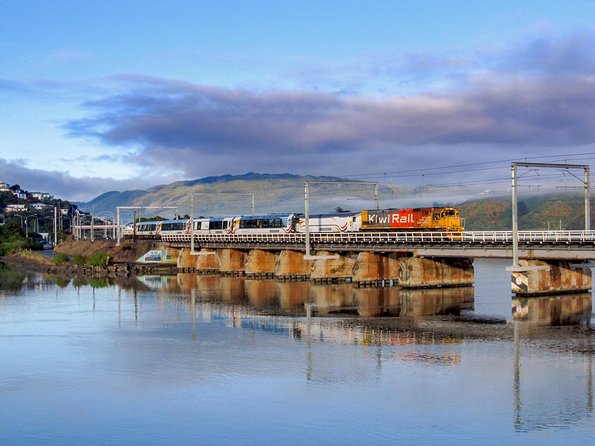
Northern Explorer seating is designed to be comfortable, and the reviews and route info agree that this isn’t the cramped type of train day. Still, comfort is personal, and your seat choice matters more than you think on an 11-hour run.
If you’re the type who hates facing backward, plan ahead. Seat orientation can affect your first impressions, especially in the early part of the route when visibility feels best. If your booking doesn’t allow you to pick seats, adjust your expectations and lean into the parts that still feel great: the viewing decks, the audio commentary, and the fact that you’ll have plenty of scenery to watch either way.
Legroom seems to be a common positive. Use it. Get up at snack breaks, walk the carriage, and don’t stay seated through every viewing moment. The train is long enough that you’ll feel better if you build micro-breaks into your schedule.
Pack like you’re going to spend most of your day indoors but also step out for photos. Bring a light layer, a refillable water bottle (even if you buy food in the café), and something easy to snack on. If you’re sensitive to long travel eating, bring your own small snacks so you’re not waiting for the café line or price-based decisions.
Onboard food: the café carriage, what’s worth it, and how to keep your budget sane
The ticket includes a café carriage on board for snacks and light meals, plus taxes and fees. What’s not included is the actual food and drinks you buy there. Alcohol is also available to purchase, but it’s not included.
So your strategy is simple: treat the café as a convenience, not as a guaranteed full meal plan. On a journey this long, you’ll probably want two eating moments—one earlier and one later. When the train has slower service periods, you’ll appreciate having a backup snack.
You’ll also have more fun if you think of meals as part of the rhythm. Step out to the café cart, grab something you can eat without rushing, then get back to viewing. This is a train day—your window time is part of the experience, not something you squeeze between meals.
If you’re picky about meal quality or portion size, you might find the best approach is mixed: buy coffee or a light snack onboard, and bring a simple extra snack from home. That gives you control without trying to carry a full picnic meal system.
Service on board: staff support and the human touch on a long ride

For a long-distance train day, staff quality matters more than you’d expect. People talk about the crew as friendly and attentive, and that’s the kind of difference you feel when you’re stuck on board for hours and want quick answers.
Two names you may hear onboard include Tia, mentioned for excellent service, and Harry, who helped with trip needs like coordinating hotel fit after arrival. These aren’t just feel-good details. They show that the onboard team isn’t limited to “we sell snacks.” They respond to real questions, like where you should go when you arrive and how to handle your day once the train stops.
If you have a special need—diet questions, seating help, or timing questions—don’t suffer in silence. Ask. The crew is part of what makes a long ride feel smooth instead of stressful.
Price and value at about $164.45 per person: is it worth skipping other transport?
At $164.45 per person for the one-way rail journey, the Northern Explorer is not a budget impulse buy. But the value comes from what’s included and what’s avoided.
You’re paying for:
- the direct long-distance scenic ride between Auckland and Wellington
- GPS-triggered audio included
- access to open-air viewing areas
- and the comfort of special seating plus a café carriage you can use when you want
You’re also skipping the parts that can make road trips exhausting—driving stress, parking hassles, and the feeling of watching scenery at speed while trying not to miss turns. If you want the countryside without the workload, this is one of the easiest ways to get it.
Also, small things add up on long travel days. If you’re the kind of person who ends up spending on snacks, coffee, and quick stops anyway, the onboard café helps you keep your momentum. You’ll still pay for food, but you won’t have to scramble for it.
One caution: because the day can run long, you should value your time accordingly. If you only have one day and you need to be fully rested afterward, consider whether you can do a proper recovery night in Wellington.
Weather, delays, and schedule slip: staying flexible without losing the fun
This route crosses regions where conditions can shift. Even on a good day, long-distance service can run behind schedule. In some cases, the arrival time estimate can be off by a noticeable margin.
Here’s the simple approach: treat the timetable as a guide, not a promise. Build in an evening buffer when you plan your Wellington arrival. Avoid tight connections or late-night events that depend on precise timing.
If disruptions hit, you might face rerouting like bus connections before joining the train. You can’t always predict these changes, so pack essentials and be ready to adjust calmly.
What you can do to protect your day is focus on what you control:
- arrive early
- dress for changing temps
- plan to eat in two phases
- and keep your schedule loose once the train is moving
The scenery is the anchor. Even when timing slides, the best moments are still tied to the route’s big sights.
Should you book the Northern Explorer Auckland to Wellington?
Book this if you want a full-day scenic experience without driving, and you like your travel with context. The GPS audio, the open-air viewing decks, and the chance to see Tongariro and the Raurimu Spiral make it feel more like a guided, scenic rail journey than a simple ride from A to B.
Skip it (or plan differently) if you need a short trip, if you hate uncertainty around timing, or if you can’t handle a long day on a train seat. The experience shines when you treat it like part of your vacation—not a line item.
If you do book, I’d go in with one mindset: you’re buying time to watch New Zealand change. When you settle into that, the 11-ish hours turn into the reason you came.
FAQ
How long is the Northern Explorer journey from Auckland to Wellington?
The journey is listed at about 11 hours.
What time does the train depart Auckland?
Departure from Auckland Strand Parnell is at 7:45 am.
Where are the meeting points for this one-way trip?
In Auckland, the start is Auckland Strand Parnell, Auckland 1010. In Wellington, the end is Wellington Station on Bunny Street, Pipitea, Wellington 6011.
What’s included in the ticket price?
Your ticket includes a one-way rail journey, GPS-triggered audio commentary, and all taxes, fees, and handling charges.
Are meals included?
Food and drinks are not included. The licensed café carriage sells snacks and light meals available for purchase.
Can you buy alcoholic drinks onboard?
Yes, alcoholic drinks are available to purchase.
Is there open-air viewing available?
Yes. There are open-air viewing decks you can use during the trip.
Is the group size limited?
This experience has a maximum of 15 travelers.
What happens if I cancel?
This experience is non-refundable and cannot be changed for any reason.
More Tours Around Auckland
- Waiheke Island: Ferry & Hop-On Hop-Off Explorer Bus Tickets
★ 4.6 · 3,311 reviews - Hobbiton & Waitomo Caves Guided Day Trip from Auckland incl lunch
★ 5.0 · 2,677 reviews - From Auckland: Hobbiton & Waitomo Caves Day Trip with Lunch
★ 4.9 · 2,505 reviews - Auckland Dolphin and Whale Watching Eco-Safari Cruise
★ 4.5 · 1,790 reviews - Skydive Auckland
★ 5.0 · 1,516 reviews