
Reviewed · ROTORUA GEOTHERMAL ESCAPES
Auckland: Rotorua Tour with Mitai Māori Village & Wai-O-Tapu
Māori welcome and geyser steam in one long day. What makes this tour worth your time is the clean pairing of culture and nature: I love the Mitai Māori Village hangi feast plus the warrior-style canoe experience, and I also like how Wai-O-Tapu turns Rotorua’s geothermal power into unforgettable, color-soaked photo stops. It’s the kind of day that gives you stories you’ll remember, not just pictures you’ll scroll past.
One thing to plan for: the walking and terrain can be tricky, especially around the uneven geothermal paths at Wai-O-Tapu and the stairs you may face during the day.
In This Review
- Key Highlights at a Glance
- Auckland to Rotorua With a Tour Schedule That Actually Works
- Mitai Māori Village: From Powhiri to Warrior Canoe Display
- The Hangi Feast: What Makes It More Than Lunch
- Rotorua Culture and Why It Feels Different From a Show
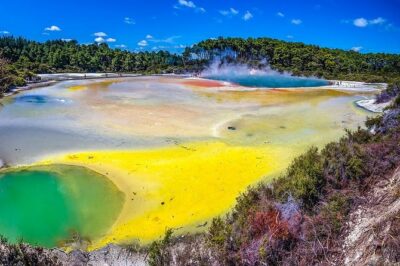
- Wai-O-Tapu Thermal Wonderland: Champagne Pool and the Rest of the Color
- How the 13 Hours Actually Feel: Pacing and Timing
- Price and Value: Is $283 Worth It?
- What to Bring (and What to Skip) for a Comfortable Day
- Who This Tour Best Fits (And Who Might Find It Annoying)
- Should You Book This Auckland to Rotorua Tour?
- FAQ
- How long is the Auckland to Rotorua tour?
- Does the tour include pickup and drop-off in Auckland?
- What happens at Mitai Māori Village?
- Is lunch included, and what type of food is it?
- Is the Wai-O-Tapu part guided?
- How long do you get at Wai-O-Tapu?
- What should I bring for this day trip?
- Are there any rules about touching things at Wai-O-Tapu?
- Can the lunch accommodate dietary requests like vegan meals?
- Is the tour wheelchair accessible?
- Can I get a full refund if I cancel?
Key Highlights at a Glance
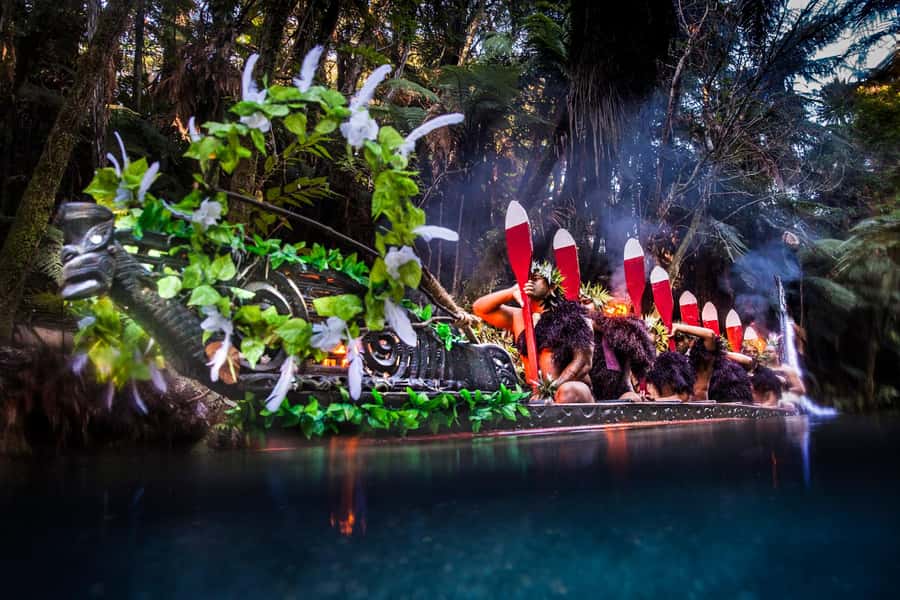
- Mitai Māori Village: powhiri welcome, song and chant, plus a warrior canoe moment that feels intense and real
- Haka, poi, and ta moko context: the performances come with explanation, not just spectacle
- Hangi lunch: a proper earth-oven meal that’s central to the culture you’re seeing
- Wai-O-Tapu’s famous features: Champagne Pool, bubbling mud, Devil’s Bath, and steaming ground
- Self-guided walk time: you get freedom to linger, which helps with photos and pacing
- A strong guide can make it click: one escort, Karthik, is specifically called out for being informative and attentive
Auckland to Rotorua With a Tour Schedule That Actually Works
This is a full-day outing from Auckland, built around two anchors: Māori village culture in Rotorua, then Wai-O-Tapu’s geothermal wonderland. The bus ride takes a few hours each way, so think of it as a day trip with a mission, not a casual stroll.
The payoff is that the tour handles the big logistics: pickup from central Auckland hotel areas, temperature-controlled transport, and a local English-speaking escort. That matters because Rotorua isn’t next door, and once you commit to the day, you want your time to go toward the experiences—not toward figuring things out.
The group format is described as small-group, which typically helps the timing and makes it easier to hear explanations during the cultural portion. You’ll also have built-in leisure time so you can move at your own speed at key stops rather than being rushed start-to-finish.
Still after the geysers? More Rotorua runs from Auckland
- Waitomo Caves & Rotorua – Te Puia Small-Group Tour from Auckland
★ 4.5 · 681 reviews - Auckland: Hobbiton, Rotorua and Wai-O-Tapu Day Tour
★ 4.8 · 458 reviews - Hobbiton & Rotorua including Wai-O-Tapu – Small Group Tour from Auckland
★ 5.0 · 450 reviews - Rotorua Highlights Tour from Auckland with Optional Extras
★ 5.0 · 373 reviews
Mitai Māori Village: From Powhiri to Warrior Canoe Display
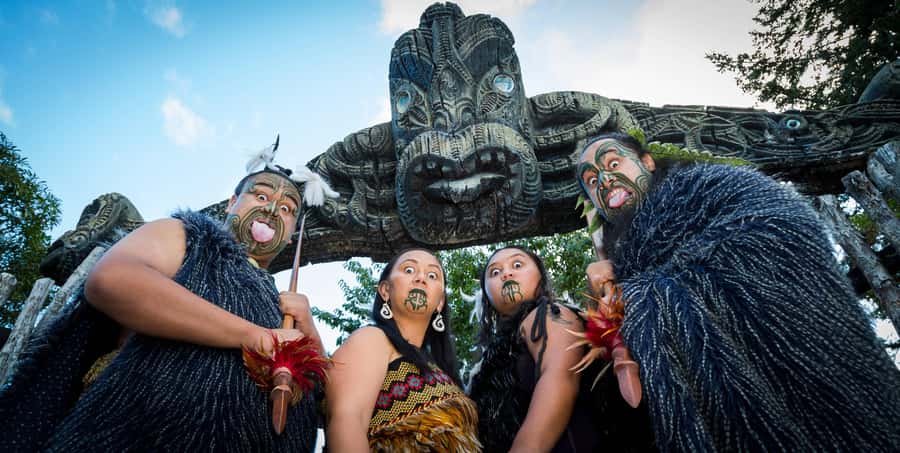
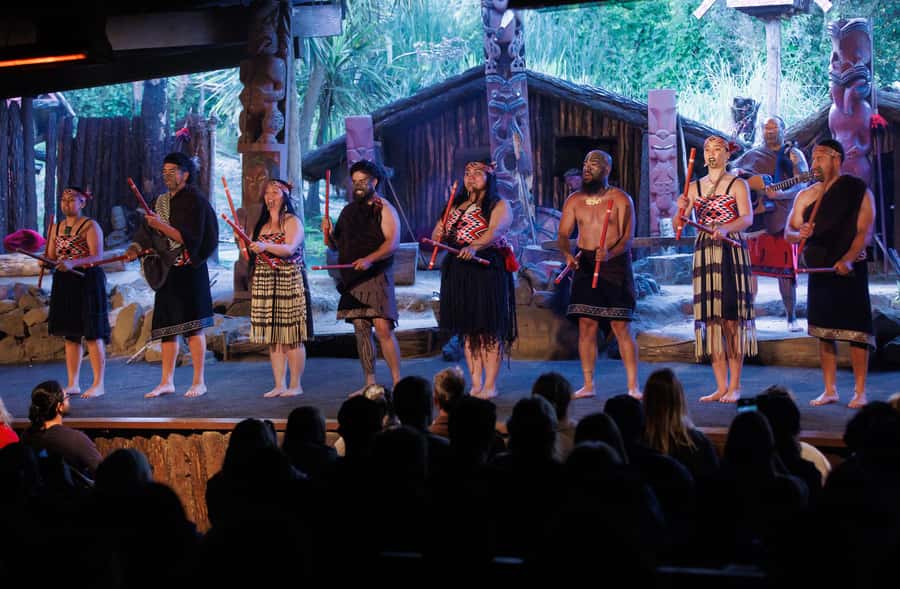
Mitai Māori Village is where the day takes its most human turn. You’re not just watching dance moves; you’re stepping into a structured welcome with call-and-response style elements and performance genres that Māori communities use to communicate meaning, identity, and ancestry.
You’ll start with a traditional welcome and performance sequence that can include:
- Pōwhiri (Traditional Māori welcome)
- Waiata (song)
- Mōteatea (traditional chant)
- Poi performance
- Haka
- Wero (often part of the greeting/challenge style segment)
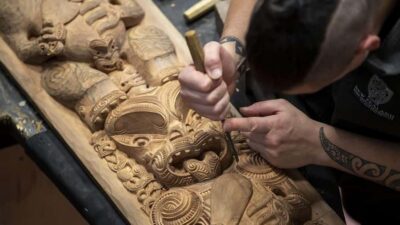
One of the details I like in the format is the way the presentation connects performance to practical knowledge. The experience includes explanation around carving arts and ta moka (tattoo art), which gives you a lot more to hold onto when you’re seeing motifs, gestures, and symbolism.
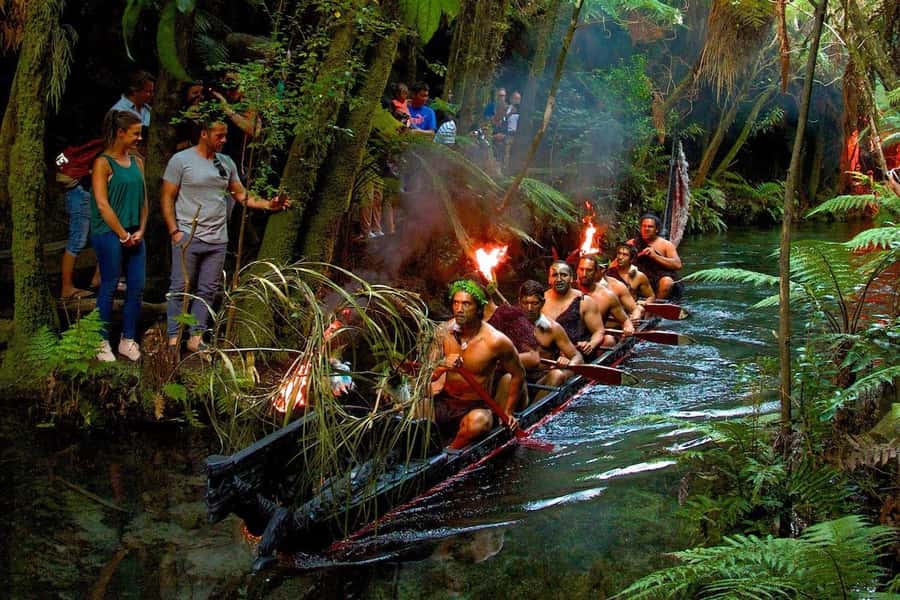
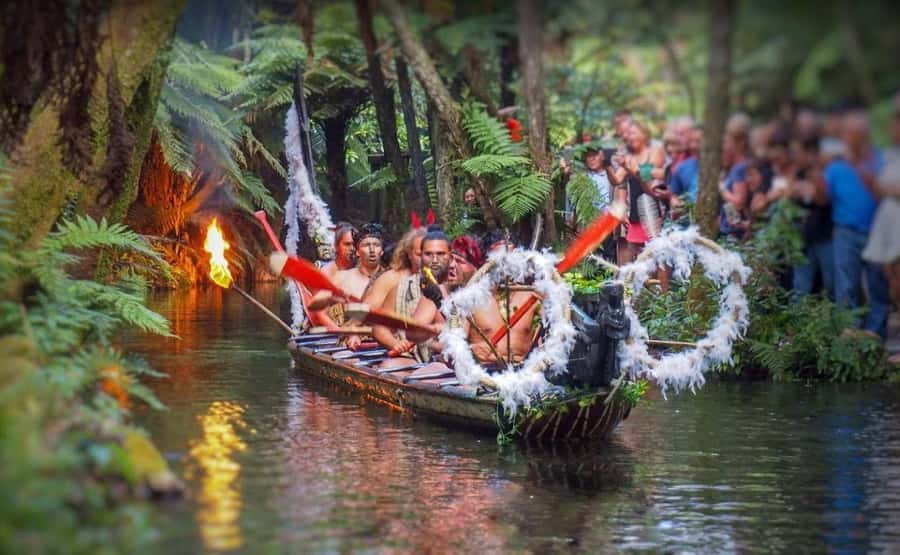
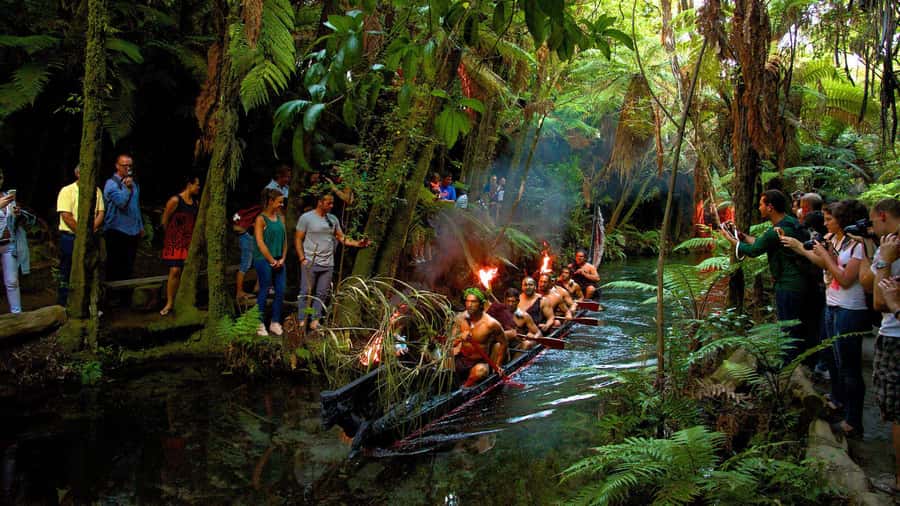
Then comes the warrior canoe element, presented as a display on the Wai-o-Whiro stream. The key word here is experience: it’s staged as a demonstration of skill and tradition rather than a generic boat ride. If you’re the type who likes history that you can feel in your body—sound, movement, intensity—this portion is often the emotional high point of the day.
Practical note: performances and explanations can mean standing time. It’s not a problem if you’re comfortable standing, but if you hate long indoor waits, plan for it.
The Hangi Feast: What Makes It More Than Lunch

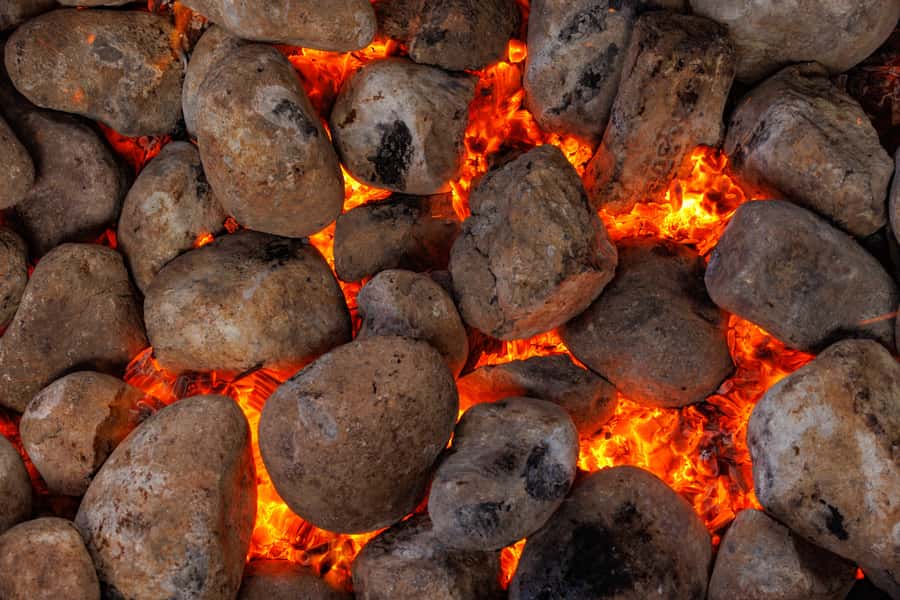
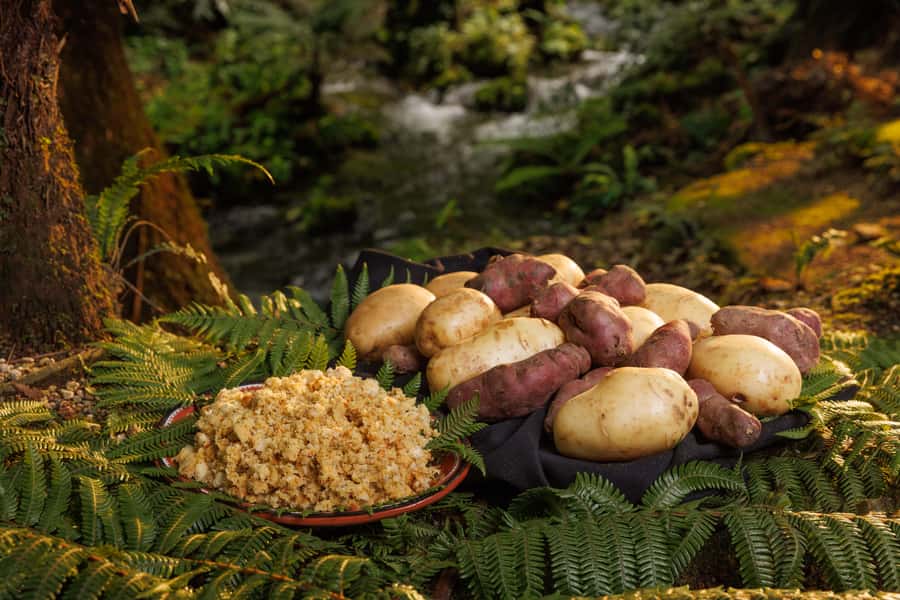
Lunch is included, and it’s not a side dish to the cultural program—it’s the centerpiece. The meal is prepared as a hangi, which means cooking in an earth oven: a pit in the ground with hot stones, where the baskets of kai (food) are placed to cook using the heat trapped underground.
That preparation method is exactly why a hangi lunch feels special. You’re eating food that follows a process tied to Māori tradition and community sharing. And because it’s served as part of the village program, it gives you a sense of order: welcome, performance, then food.
Now the honest bit for planning: the tour notes they’re unable to cater to all dietary needs, including vegan options. If you have dietary restrictions, don’t assume you’ll get a perfect swap. You might find some requests can be met, but the safest approach is to tell the operator what you need before you go and be mentally prepared for limited options.
Also, eftersom it’s a buffet-style experience, eat at a steady pace. If you rush, you’ll miss the moment of being part of the flow. If you linger, you might find yourself scrambling later for timing at Wai-O-Tapu—so aim for a calm, not-too-long meal and then get ready for the geothermal stop.
Rotorua Culture and Why It Feels Different From a Show
The best cultural experiences don’t just entertain; they explain how to read what you’re seeing. This one does that by linking the performances to specific traditions: song, chant, dance, and the meaning behind carvings and tattoo motifs.
You’ll also get that warrior-culture context through the presentation choices—especially around the warrior canoe display and the challenge energy that can come with segments like haka and wero. It’s meant to show why these skills and traditions matter, not just to deliver choreography.
In one case, an English-speaking escort named Karthik is singled out for being very informative, patient, and attentive. That kind of guiding can be the difference between watching a program and understanding it.
If you want value from the cultural stop, arrive with two attitudes:
- Keep your curiosity switched on for explanations you can’t instantly Google.
- Take a few minutes to watch the performers more slowly, especially during transitions.
Even a short pause helps you catch details you’d miss when your brain is only on camera mode.
Wai-O-Tapu Thermal Wonderland: Champagne Pool and the Rest of the Color
After Mitai Māori Village, you head to Wai-O-Tapu Thermal Wonderland. This is the second big anchor of the day, and it’s structured around self-guided walking with built-in time.
Expect 45 to 90 minutes of self-guided walking in the thermal area. The itinerary lists about 75 minutes, so think of it as enough time to do the key highlights without sprinting across the route.
Wai-O-Tapu is geothermal territory, so the rules matter. Don’t touch plants, and wear footwear that can handle uneven, unpaved ground. Sturdy shoes are not optional here. Also bring sun protection—heat plus geothermal steam can feel like a double dose.
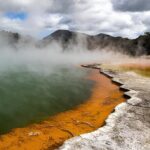
The star for many people is the Champagne Pool, which lives up to its reputation through sheer color and bubbling activity. But the rest of the circuit is what makes the place feel otherworldly, including:
- Bubbling mud
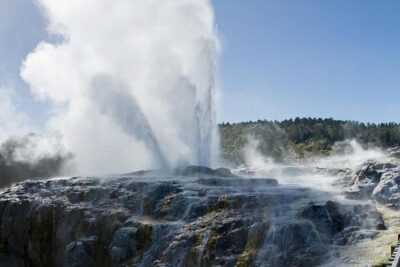
- Steaming ground
- Devil’s Bath
- Hot and cold springs
- Expansive vistas and big volcanic craters
- Sinter terrace formations and other mineral textures
If you’re a photographer, this stop is great because the colors can shift and minerals create strong contrasts. But don’t get so stuck on photos that you lose track of time. The thermal area is fascinating, yet it’s still a planned day trip—wandering too long can make you feel rushed at the end.
How the 13 Hours Actually Feel: Pacing and Timing
This tour runs about 13 hours, and it’s designed so you won’t be left idle between stops. Still, a full day means you’ll feel fatigue by mid-to-late afternoon, especially after standing for performances and then walking around geothermal paths.
Here’s how I’d pace it if I were doing it again:
- In the Māori village portion, focus on listening first, photos second. Get the key context, then shoot freely.
- During the hangi meal, eat efficiently and don’t linger too long if you’re the type who takes forever reading every sign.
- At Wai-O-Tapu, set a simple plan: hit Champagne Pool, then work your way through the other major visual stops without detouring into every possible side view.
You’ll also have refreshment and water onboard, plus onboard internet in a minibus. That helps if your phone battery is weak or you want to tidy up photos and maps before you arrive.
Price and Value: Is $283 Worth It?
At $283 per person, this isn’t the cheapest way to see Rotorua. But it’s also not a bare-bones transfer. Your ticket bundles multiple paid components into one scheduled day.
You’re paying for:
- Fully guided return transfers from central Auckland
- A local English-speaking escort for the day
- Temperature-controlled minibus transport
- Refreshments and water onboard
- Entrance to the guided experience at Mitai Māori Village, including hāngi buffet lunch
- A guided cultural program with performances and the canoe display
- Admission to the Wai-O-Tapu area for a self-guided walk
When you look at it that way, the price starts to make sense as a convenience package. You’re buying time-saving logistics plus structured access to two major Rotorua experiences in one go. If you tried to DIY this, you’d still spend on transport, admissions, and your own figuring-out stress—especially for the geothermal stop and timing the cultural portion.
It’s also good value if you want an explanation layer. Seeing the geothermal area on your own is fine, but understanding what you’re watching at the Māori village comes from the guide structure and performance context.
If you’re traveling solo and you don’t want the hassle of arranging everything, this kind of bundled day trip is often a smart financial trade-off.
What to Bring (and What to Skip) for a Comfortable Day
This tour makes footwear and comfort a priority, and I agree with it. Wai-O-Tapu’s terrain can be uneven, and you’ll likely walk on paths that aren’t smooth.
Bring:
- Comfortable, sturdy shoes (not sandals and not anything slick)
- A hat and sunscreen
- A camera or phone with a good camera
- Water (even though water is provided onboard, you’ll want extra)
- A jacket or warm layer, since conditions can change
Wear:
- Clothing suitable for sun and walking
- Layers you can adjust through the bus ride and outside stops
Skip:
- Smoking
- Touching plants
If you’re unsure what “sturdy” means, choose the kind of shoes you’d wear for a long outdoor walk after rain. Your feet will thank you.
Who This Tour Best Fits (And Who Might Find It Annoying)
This is a great match if you want one day that balances culture and geothermal scenery without planning or driving yourself. It’s also a good choice if you like performances that have context—song, chant, dance, and warrior-culture elements explained rather than presented as random entertainment.
It may be less ideal if:
- You need wheelchair accessibility. The tour isn’t suitable for wheelchair users.
- You dislike uneven ground and stairs. The tour requires you to be able to climb/descend and walk on unpaved or uneven terrain.
- You have strict dietary needs. The tour notes they cannot cater to all dietary requests, including vegan options.
If you’re in the “I can walk and I’m curious” category, you’ll probably enjoy this a lot.
Should You Book This Auckland to Rotorua Tour?
If you’re trying to see Rotorua in a single day and you want both Māori cultural programming and the top geothermal sights, I’d say this is a smart booking. The day is structured, the transportation is handled, and the hangi + performance combo gives you a deeper reason to be there beyond looking around.
Book it if you:
- Want a planned, guided cultural experience with explanations
- Are comfortable with a long day and solid walking time
- Like the idea of Wai-O-Tapu’s major highlights like the Champagne Pool
Consider another option if you:
- Struggle with uneven terrain or stairs
- Have dietary needs that can’t be met by a hangi buffet format
Bottom line: for many people, this tour is value because it bundles the hard-to-plan parts into one smooth day. Just show up with good shoes, a bit of curiosity, and a willingness to stand through the performances. That combo makes the day click.
FAQ
How long is the Auckland to Rotorua tour?
The tour runs for 13 hours.
Does the tour include pickup and drop-off in Auckland?
Yes. Pickup and drop-off are included from Auckland CBD locations.
What happens at Mitai Māori Village?
You’ll take part in a guided Māori village experience that includes cultural performances such as Pōwhiri, waiata, mōteatea, poi, haka, and more, plus a warrior canoe display and a guided tour.
Is lunch included, and what type of food is it?
Yes. You’ll have a hangi buffet lunch at Mitai Māori Village.
Is the Wai-O-Tapu part guided?
Wai-O-Tapu includes a self-guided walk inside the thermal wonderland.
How long do you get at Wai-O-Tapu?
The self-guided walk time is described as 45 to 90 minutes, and the itinerary lists about 75 minutes.
What should I bring for this day trip?
Bring comfortable shoes, a hat, a camera, sunscreen, and water. You should also wear clothing suitable for the conditions, and a jacket or warm layer may help.
Are there any rules about touching things at Wai-O-Tapu?
Yes. You must not touch plants.
Can the lunch accommodate dietary requests like vegan meals?
Some dietary requests could be met, but they cannot cater to all dietary needs such as vegan options.
Is the tour wheelchair accessible?
No. The tour is not suitable for wheelchair users.
Can I get a full refund if I cancel?
You can cancel up to 24 hours in advance for a full refund.
More Tours Around Auckland
- Waiheke Island: Ferry & Hop-On Hop-Off Explorer Bus Tickets
★ 4.6 · 3,311 reviews - Hobbiton & Waitomo Caves Guided Day Trip from Auckland incl lunch
★ 5.0 · 2,677 reviews - From Auckland: Hobbiton & Waitomo Caves Day Trip with Lunch
★ 4.9 · 2,505 reviews - Auckland Dolphin and Whale Watching Eco-Safari Cruise
★ 4.5 · 1,790 reviews - Skydive Auckland
★ 5.0 · 1,516 reviews
Rotorua, Steam and Silica
- Waitomo Caves & Rotorua – Te Puia Small-Group Tour from Auckland
★ 4.5 · 681 reviews - Auckland: Hobbiton, Rotorua and Wai-O-Tapu Day Tour
★ 4.8 · 458 reviews - Hobbiton & Rotorua including Wai-O-Tapu – Small Group Tour from Auckland
★ 5.0 · 450 reviews - Rotorua Highlights Tour from Auckland with Optional Extras
★ 5.0 · 373 reviews - From Auckland or Rotorua: Hobbiton & Waitomo Tour with Lunch
★ 4.9 · 281 reviews
Fresh off the boat: newer Auckland tours to browse




Rotorua Geothermal Escapes, compared.
 ★ 4.5Waitomo Caves & Rotorua – Te Puia Small-Group Tour from AucklandFrom $253681 reviews
 ★ 4.8Hobbiton, Rotorua and Wai-O-Tapu Day TourFrom $256458 reviews
 ★ 5.0Hobbiton & Rotorua including Wai-O-Tapu – Small Group Tour from AucklandFrom $266450 reviews
 ★ 5.0Rotorua Highlights Tour from Auckland with Optional ExtrasFrom $214373 reviews
 ★ 4.9From Auckland or Rotorua: Hobbiton & Waitomo Tour with LunchFrom $286281 reviews
 ★ 4.5Rotorua Small-Group Day Tour from AucklandFrom $253235 reviews
 ★ 4.8Waitomo Caves & Rotorua – Te Puia Small-Group TourFrom $244223 reviews
 ★ 5.0Hobbiton & Rotorua Small Group Tour including Te Puia from AucklandFrom $266190 reviews
Browse the lists this tour appears in