
Reviewed · ROTORUA GEOTHERMAL ESCAPES
Auckland: Rotorua Living Maori Village Tour w/ Haka & Lunch
Rotorua hits different with Māori storytellers beside you. I love the guided Whakarewarewa village experience—run with real warmth by locals—and I also like the eye-popping haka and geothermal sights that make the day feel like more than a checklist. The only real catch is it’s a long 12-hour day, and the hāngī lunch is meant to be simple, so if you’re picky about how hot your food is, go in with modest expectations.
This tour is built for first-timers who want a lot of Rotorua in one go. You’ll get hotel pickup and then a planned loop that mixes culture, steam, and scenic stops like the Government Gardens and the lakeside.
In This Review
- Key things to know before you go
- Auckland to Rotorua by bus: the 12-hour rhythm
- Whakarewarewa living Māori village: more than a performance schedule
- Geothermal trail and steam sights: mud pools, geysers, and silica magic
- The haka and cultural performances: controlled power, real meaning
- Hāngī lunch cooked in natural steam: what you’ll actually get
- Rotorua highlights by car after the village: gardens, lake, sulphur point
- Price and value at $224: what you’re paying for
- Who this tour suits (and who should skip it)
- Should you book the Auckland to Rotorua Māori village tour?
- FAQ
- How long is the tour?
- Do I get hotel pickup and drop-off?
- What time does pickup start?
- Is the tour guide available in English?
- What cultural experiences are included?
- Is there geothermal viewing time?
- What’s included in lunch?
- Are drinks included?
- Which Rotorua stops do you visit after the village?
Key things to know before you go
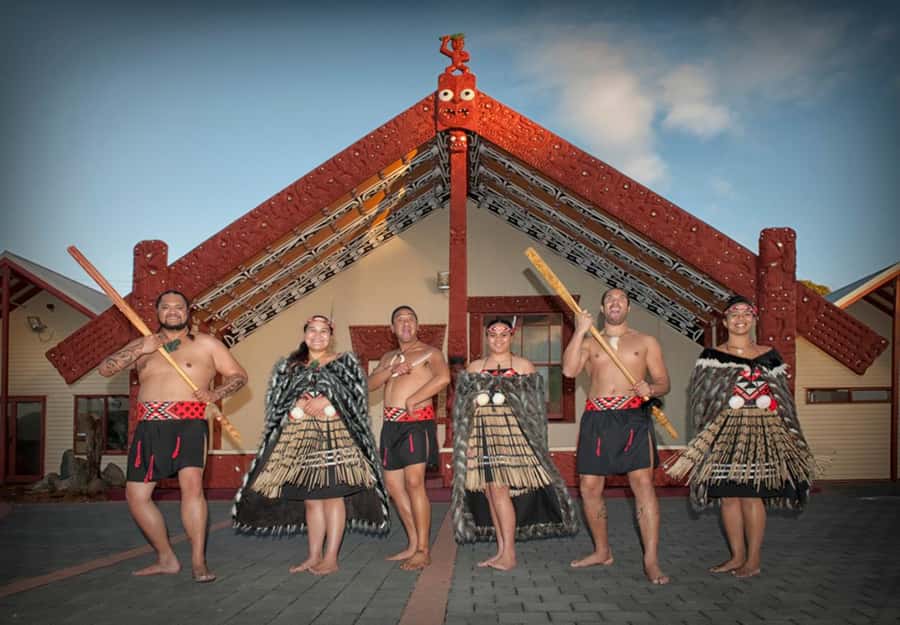
- A living village, not a stage set: You tour Whakarewarewa with local Tūhourangi Ngāti Wāhiao people who share daily life alongside performances.
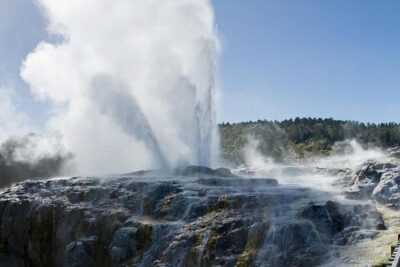
- Geothermal trail time: You get ticketed access to the geothermal trail and see bubbling mud pools, steaming vents, and active geyser areas.
- The haka performance is the cultural anchor: Songs, dance, and the haka are part of a fuller village program, not a quick gimmick.
- Steam-cooked hāngī with dessert: You’ll eat a traditional meal cooked using natural steam, plus something sweet afterward.
- Rotorua highlights by car after lunch: The day continues with a guided driving tour of Government Gardens, Lake Rotorua, Sulphur Point, and the Rotorua Museum.
Auckland to Rotorua by bus: the 12-hour rhythm
This is a full-day outing by coach. Plan for a long stretch of road time from Auckland to Rotorua, but the structure helps: you’re not just stuck on a bus until dinner—you get a timed village visit plus a geothermal trail window, then a Rotorua highlights drive on the way back.
Pickup usually starts up to 20 minutes before departure, and you’ll want to be outside and ready. If your accommodation isn’t on the listed pickup map, you pick the nearest option and meet there. The operator notes that downtown CBD-style pickup can mean a few changes and staggered arrivals, so I’d treat pickup like boarding a flight: show up early, not on time.
If you’re traveling with someone older or anyone who needs smoother pacing, you’ll probably appreciate the human tone in the guiding style. In the experiences shared, guides like Jason were described as checking in often—helpful when the day runs long and you want calm, steady attention.
Still after the geysers? More Rotorua runs from Auckland
- Waitomo Caves & Rotorua – Te Puia Small-Group Tour from Auckland
★ 4.5 · 681 reviews - Auckland: Hobbiton, Rotorua and Wai-O-Tapu Day Tour
★ 4.8 · 458 reviews - Hobbiton & Rotorua including Wai-O-Tapu – Small Group Tour from Auckland
★ 5.0 · 450 reviews - Rotorua Highlights Tour from Auckland with Optional Extras
★ 5.0 · 373 reviews
Whakarewarewa living Māori village: more than a performance schedule
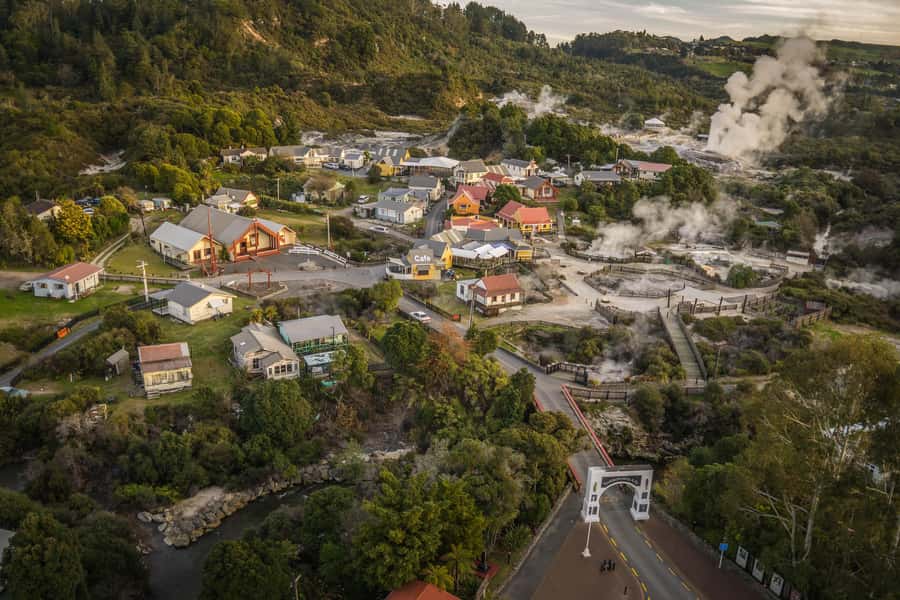
Whakarewarewa is a traditional Māori village that’s still lived in. That difference matters. Instead of treating Māori culture like a museum topic, the tour frames it as ongoing community life—customs, storytelling, and everyday connection to the land.
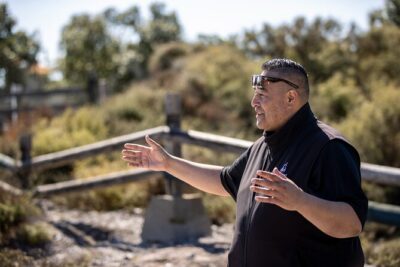
You arrive by bus and are welcomed by local people connected to the Tūhourangi Ngāti Wāhiao community. The village tour is guided, and the pacing is designed so you don’t just watch from the edges. You’re shown around while guides explain what you’re seeing, then that cultural context flows directly into the music and dance.
What I like about this setup is how it keeps the day from turning into two separate activities:
1) see geysers, then
2) do a show.
Here, the steam landscape, the village, and the performance all feel linked through the same lens of place and tradition.
One practical note: you’ll likely spend time outdoors around geothermal areas and village spaces. If weather is a concern for you, bring a light rain layer. One review mentioned rain throughout the day, and conditions can change fast in Rotorua.
Geothermal trail and steam sights: mud pools, geysers, and silica magic
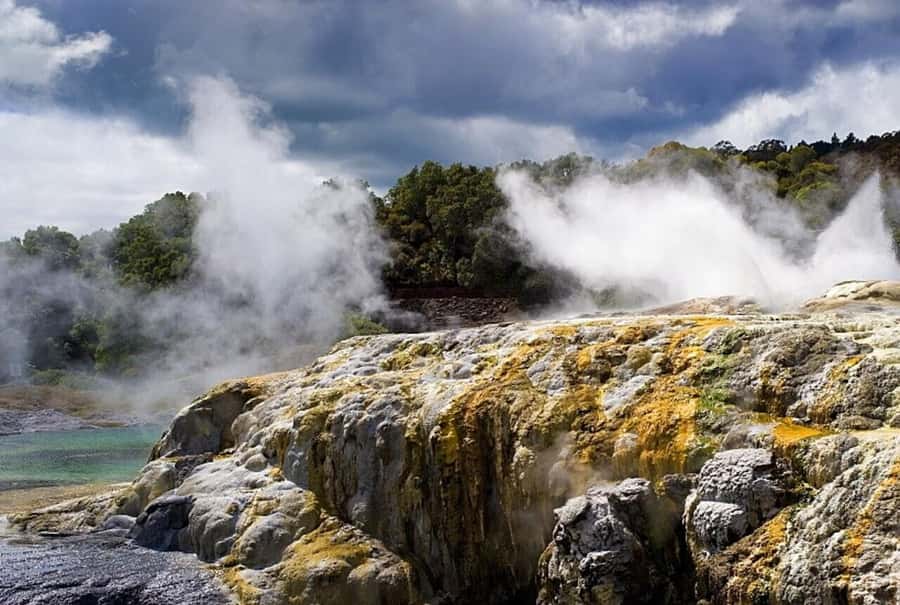
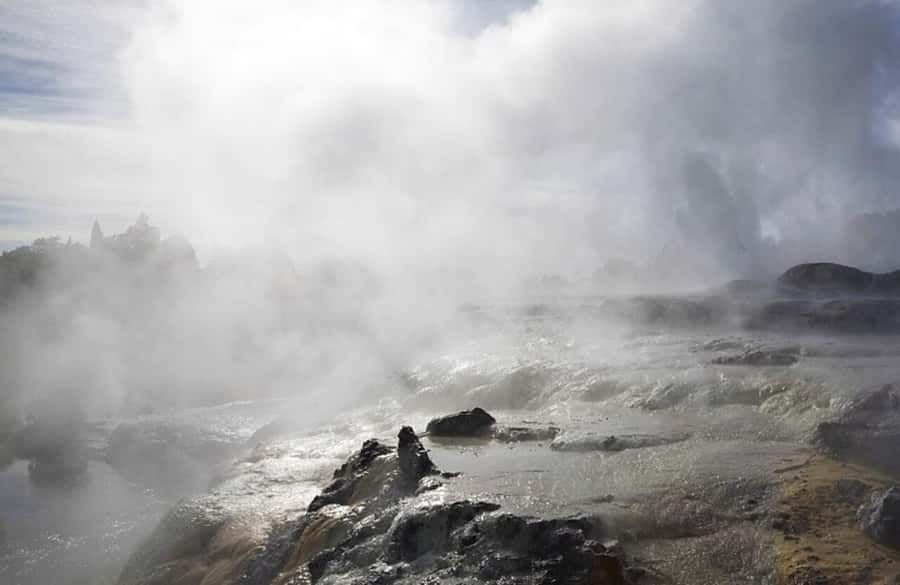
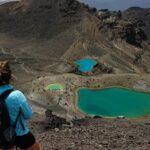
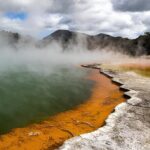
Rotorua’s geothermal zone is one of those places where your photos don’t quite do it justice—steam, mineral colors, and the sheer scale of activity are hard to capture. This tour gives you a ticket for the geothermal trail, and you’re guided through the kinds of features that make the region famous: bubbling mud pools, steaming vents, and powerful geyser activity.
The highlights are the silica formations and the panoramic feel of geyser country. You also get time to see boiling hot pools as part of the geothermal experience. Each of these is visually striking, but the real value is what your guide connects to it: how the land behaves, why it matters, and how it shapes village life.
What to do to enjoy this section:
- wear shoes with good grip (ground can be uneven and wet)
- keep an eye on where you step near vents and pools
- take the slow moments—sometimes the most interesting detail is in the mineral colors, not the biggest eruption
If you love nature you can understand (not just nature you stare at), this geothermal portion earns its place in the schedule.
The haka and cultural performances: controlled power, real meaning
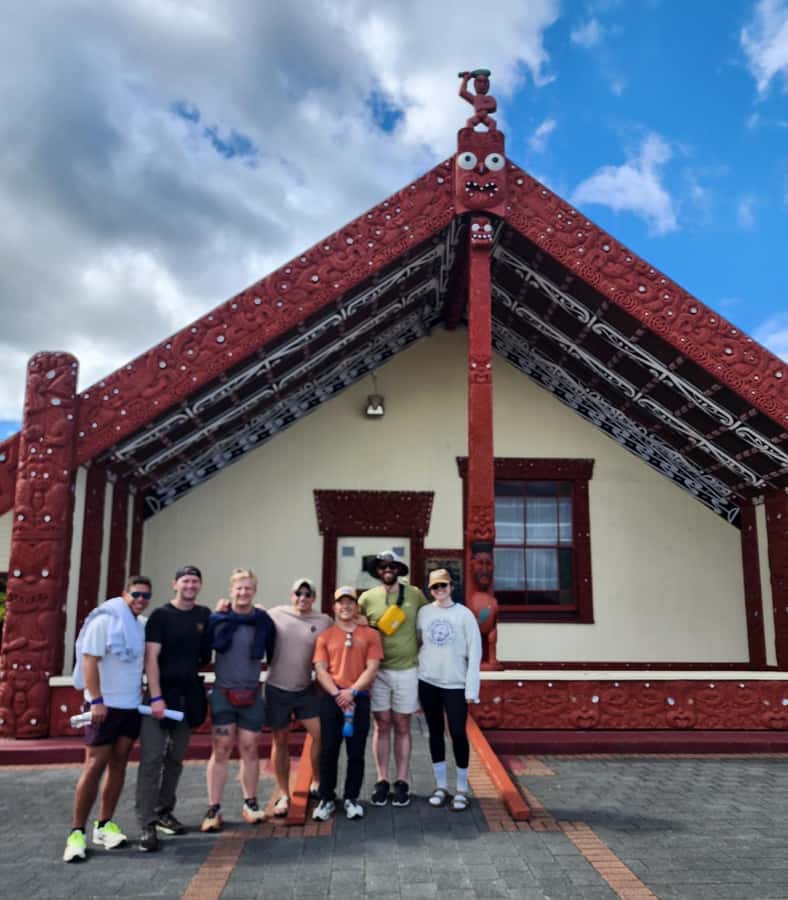
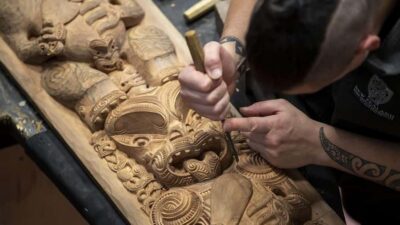
The cultural program at the village includes traditional song and dance, plus a haka performance. This isn’t presented as a standalone stunt; it’s part of the village’s broader story. The guides shape what you’re watching so it lands as something with context, not just volume.
In the feedback shared, people often call out the performance as beautiful and memorable. Names like Daniel and Aaron come up in the descriptions, and the common thread is confident, thoughtful guiding—keeping the experience engaging rather than scripted and robotic.
Here’s the practical angle: a haka hits harder when you’re not far away and when you understand the rhythm and meaning the guide provides. If you’re offered positioning advice during the show, take it. You’ll see more, and you’ll feel less like you’re watching a background event.
Also, this is a day where you get language support through the English-speaking guide. If you usually feel lost in cultural performances because you don’t know what you’re hearing, having an interpreter-guided context helps a lot.
More Māori culture and heritage around Auckland


Hāngī lunch cooked in natural steam: what you’ll actually get
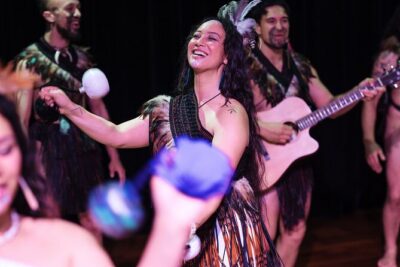
Lunch is a traditional hāngī meal cooked with natural steam, and you’ll also have dessert. The meal is described as simple, but many people still rate it positively as part of the heritage experience.
Here’s the part to read realistically: hāngī is traditional comfort food, and it’s not a fine-dining plate. You should expect a hearty, heritage-style meal rather than a restaurant-style lunch. One note in the feedback was that food could come out less hot than expected, especially in rough weather, but the overall experience still worked for most people.
Drinks are not included, and food beyond the provided meal isn’t included either—so plan on buying water or other drinks during the day.
My advice: go hungry. The hāngī is usually the day’s reward after walking around steam and minerals.
Rotorua highlights by car after the village: gardens, lake, sulphur point
After the village and lunch, the tour doesn’t end at the geothermal site. You get a guided driving tour of Rotorua highlights, including the Government Gardens, Lake Rotorua, Sulphur Point, and the Rotorua Museum.
This is a smart move for value. Doing these stops on your own usually means planning, parking, and timing. Here, you get a structured overview—enough to decide what you’d want to revisit later if you extend your trip.
A couple of how-to thoughts:
- If you’re the type who loves photos, this is where the scenery slows down just enough to get good shots.
- If you prefer staying out of cars, you’ll still get windows of views, not just drive-by speed.
By the time you head back to Auckland, the day feels like a full Rotorua sampler.
Price and value at $224: what you’re paying for
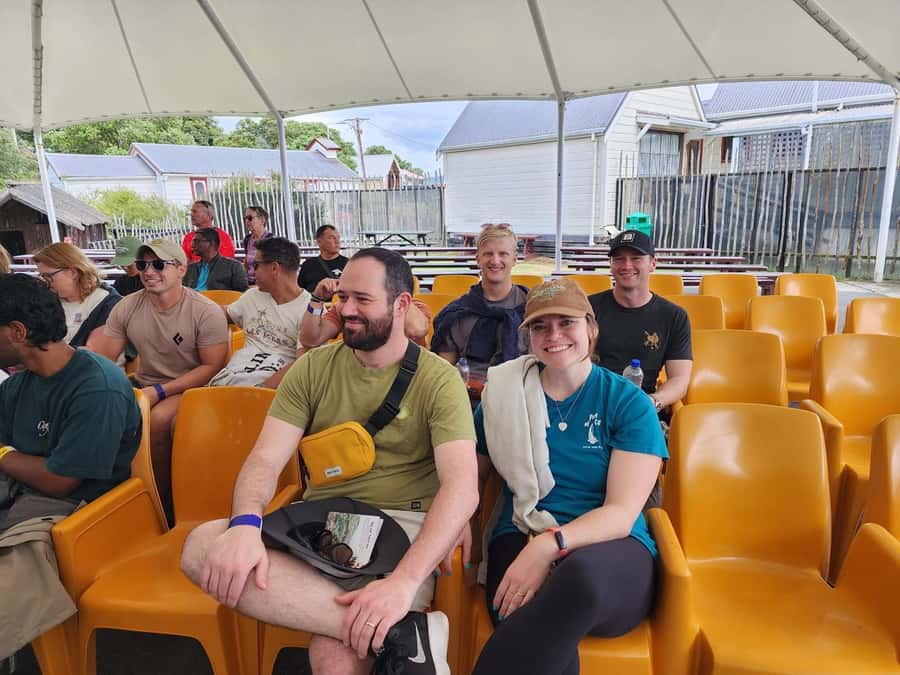
At $224 per person, you’re not paying for a cheap “culture add-on.” You’re paying for the whole package that makes a day trip from Auckland work smoothly.
Here’s what’s included:
- round-trip transportation by bus
- hotel pickup and drop-off
- entrance to Whakarewarewa village
- guided village tour
- cultural performances including the haka
- geothermal trail ticket
- hāngī meal with dessert
- guide (English)
What’s not included is food and drinks outside the meal. That’s typical for tours, but it’s worth budgeting.
When I look at value here, the biggest cost drivers aren’t the performances—they’re the travel time and the bundled tickets. Rotorua is far enough from Auckland that the bus plus guided time saves you from coordinating multiple purchases and figuring out logistics on the ground.
In other words: if you want the day to be set up and guided, $224 can be reasonable. If you’d rather drive yourself and pick only one attraction, you may spend less with an independent plan. But you’d give up the smooth flow from culture to geothermal to Rotorua scenery.
Who this tour suits (and who should skip it)
This tour is a strong fit if you:
- want a first taste of Rotorua with guided structure
- care about Māori culture and like context, not just a show
- want both geothermal scenery and cultural performances in one day
- appreciate a team approach with attentive guiding (Jason, Daniel, and Aaron are named in the shared experiences)
It may not suit you as well if you:
- hate long days on the road (it’s 12 hours)
- prefer independent pacing without group timing
- expect a restaurant-level lunch experience
If you’re flexible and you like a “full day, guided, then done” style of travel, this works.
Should you book the Auckland to Rotorua Māori village tour?
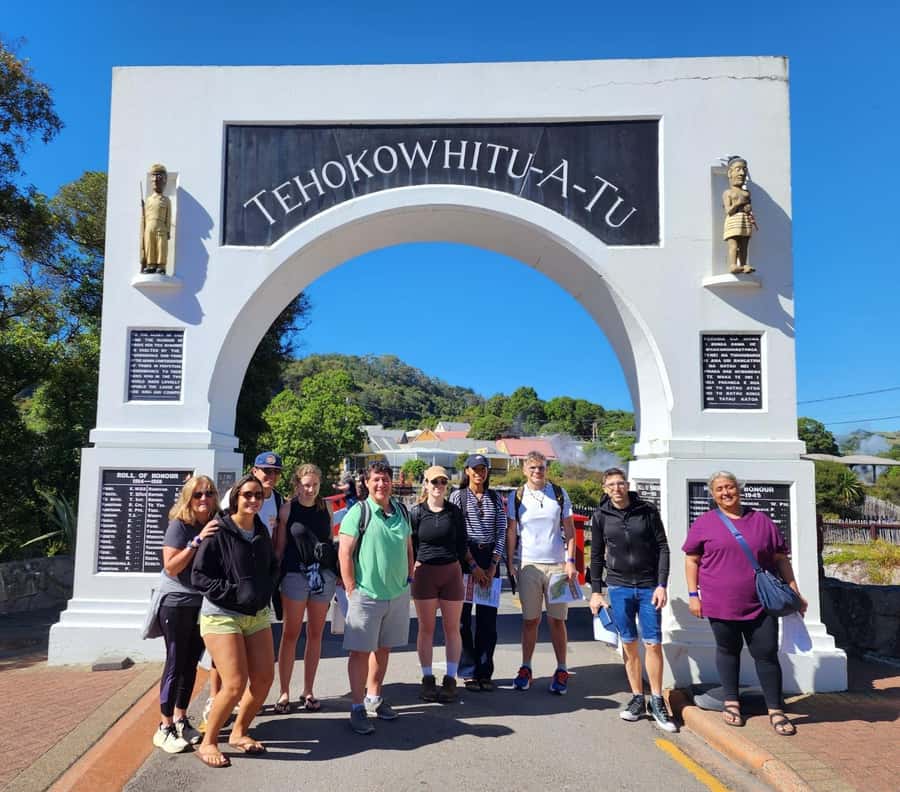
I’d book it if you want the most efficient way to see Whakarewarewa, experience a haka, and walk a geothermal trail with a guide explaining what you’re seeing. The combination of a living village visit plus geothermal features plus the Rotorua scenic driving loop makes it feel like a complete Rotorua introduction.
I’d think twice only if you’re very sensitive to schedule length or you’re the kind of eater who needs meals served hot and plated like a restaurant. Otherwise, this is a meaningful cultural day trip with real practical value for your time.
FAQ
How long is the tour?
The tour runs for 12 hours.
Do I get hotel pickup and drop-off?
Yes. Pickup and drop-off are included from selected hotels. If your accommodation is not listed, you choose the nearest available option and meet the group there.
What time does pickup start?
Pickups start up to 20 minutes before the scheduled departure time. You should be ready and waiting outside.
Is the tour guide available in English?
Yes, the live tour guide is in English.
What cultural experiences are included?
You’ll have a guided tour of Whakarewarewa Village and cultural performances at the village, including a traditional haka.
Is there geothermal viewing time?
Yes. You receive a ticket for the Geothermal Trail and you’ll see geothermal features like geysers and steaming areas.
What’s included in lunch?
Lunch is a traditional hāngī meal cooked with natural steam, and dessert is included.
Are drinks included?
No. Food and drinks are not included, beyond the provided hāngī meal and dessert.
Which Rotorua stops do you visit after the village?
After the village visit, you’ll enjoy a guided driving tour that includes Government Gardens, Lake Rotorua, Sulphur Point, and the Rotorua Museum.
More Tours Around Auckland
- Waiheke Island: Ferry & Hop-On Hop-Off Explorer Bus Tickets
★ 4.6 · 3,311 reviews - Hobbiton & Waitomo Caves Guided Day Trip from Auckland incl lunch
★ 5.0 · 2,677 reviews - From Auckland: Hobbiton & Waitomo Caves Day Trip with Lunch
★ 4.9 · 2,505 reviews - Auckland Dolphin and Whale Watching Eco-Safari Cruise
★ 4.5 · 1,790 reviews - Skydive Auckland
★ 5.0 · 1,516 reviews
Māori Culture, First-Hand
- Auckland: All Blacks Experience Guided Cultural Tour
★ 4.7 · 453 reviews - All Blacks Experience: Interactive Guided Cultural Tour
★ 4.5 · 228 reviews - Māori Cultural Experience & Auckland Museum General Admission
★ 4.5 · 92 reviews - Māori Cultural Experience & Auckland Museum Admission
★ 4.5 · 59 reviews - Auckland Maori Tour
★ 5.0 · 47 reviews
Rotorua, Steam and Silica
- Waitomo Caves & Rotorua – Te Puia Small-Group Tour from Auckland
★ 4.5 · 681 reviews - Auckland: Hobbiton, Rotorua and Wai-O-Tapu Day Tour
★ 4.8 · 458 reviews - Hobbiton & Rotorua including Wai-O-Tapu – Small Group Tour from Auckland
★ 5.0 · 450 reviews - Rotorua Highlights Tour from Auckland with Optional Extras
★ 5.0 · 373 reviews - From Auckland or Rotorua: Hobbiton & Waitomo Tour with Lunch
★ 4.9 · 281 reviews
Fresh off the boat: newer Auckland tours to browse



Rotorua Geothermal Escapes, compared.
 ★ 4.5Waitomo Caves & Rotorua – Te Puia Small-Group Tour from AucklandFrom $253681 reviews
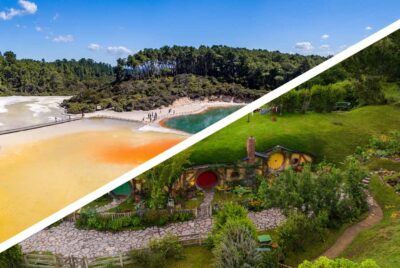 ★ 4.8Hobbiton, Rotorua and Wai-O-Tapu Day TourFrom $256458 reviews
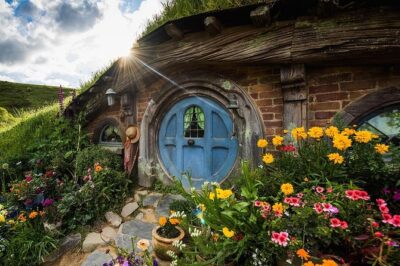 ★ 5.0Hobbiton & Rotorua including Wai-O-Tapu – Small Group Tour from AucklandFrom $266450 reviews
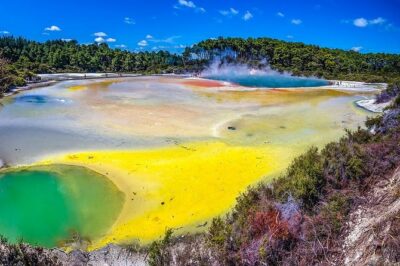 ★ 5.0Rotorua Highlights Tour from Auckland with Optional ExtrasFrom $214373 reviews
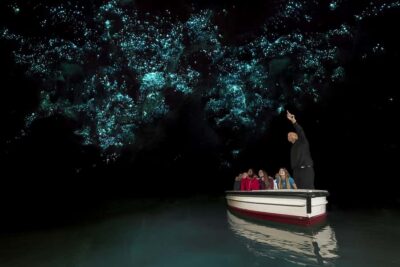 ★ 4.9From Auckland or Rotorua: Hobbiton & Waitomo Tour with LunchFrom $286281 reviews
 ★ 4.5Rotorua Small-Group Day Tour from AucklandFrom $253235 reviews
 ★ 4.8Waitomo Caves & Rotorua – Te Puia Small-Group TourFrom $244223 reviews
 ★ 5.0Hobbiton & Rotorua Small Group Tour including Te Puia from AucklandFrom $266190 reviews
Browse the lists this tour appears in