
Reviewed · AUCKLAND LANDMARKS & MUSEUMS
Auckland: Maritime Museum Entry Ticket
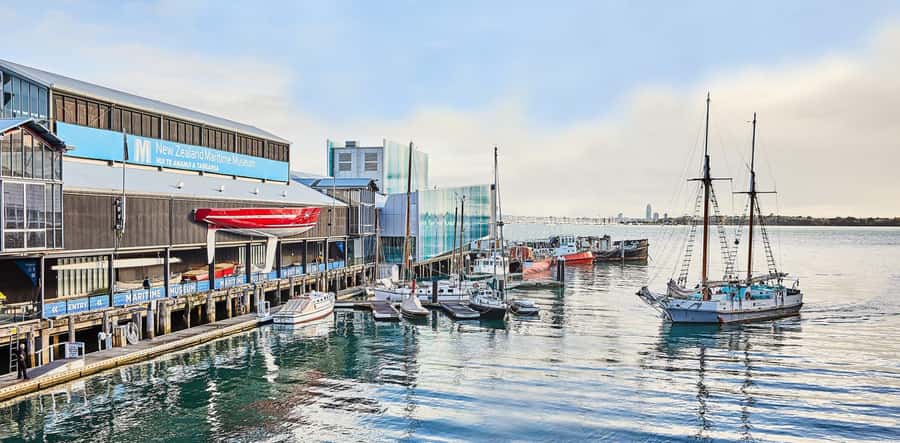
Ocean stories meet real ships here. The New Zealand Maritime Museum at Auckland’s Viaduct Harbour uses smart, story-first exhibits to show how the sea shaped travel, trade, and everyday life across the country. I like that it doesn’t treat maritime history as a dusty topic—it brings it down to people, routes, and design you can actually picture.
Two big reasons you’ll likely enjoy it: you get hands-on displays plus immersive galleries, and the museum’s focus on New Zealand’s unique relationship to the ocean gives context you won’t get from a quick streetside walk. One consideration: the recommended time is about 1–3 hours, so if you’re hunting for a full-day “museum marathon,” you may need to pair it with something nearby.
In This Review
- Key things I’d plan around before you go
- Arriving at Auckland’s Viaduct Harbour and finding the museum
- Tickets and timing: how long you realistically need
- What the museum does best: ocean stories with context
- The main galleries: from Pacific movement to maritime trade
- Hands-on and interactive moments you can actually use
- America’s Cup yacht design: when innovation becomes a story
- Maori traditions and Western shipping: two lenses on the same ocean
- Beautifully designed space at the water’s edge
- Museum collection value: why $14 can feel like more
- Where to fit it into your Auckland day
- Practical “know before you go” notes that affect your day
- Should you book the Auckland Maritime Museum ticket?
- FAQ
- How long should I plan to spend at the New Zealand Maritime Museum?
- What are the museum opening hours and last entry time?
- Where do I meet for the ticket entry?
- What is included with the ticket?
- Is the museum wheelchair accessible?
- What should I bring with me?
- Are unaccompanied minors allowed?
Key things I’d plan around before you go
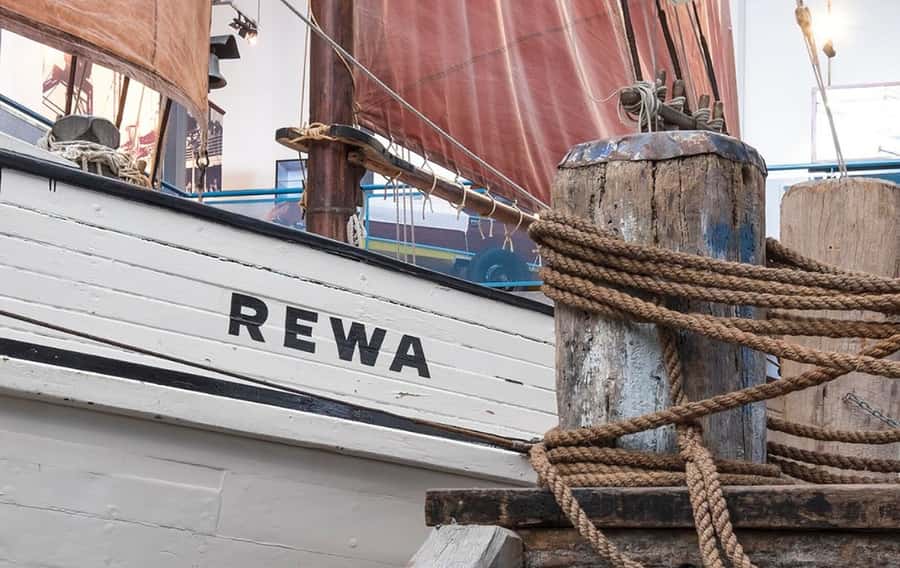
- Viaduct Harbour location: You’ll start at a lively waterfront area that also hosts major sailing events.
- Pacific migrations + trade + innovation: The exhibits connect the ocean to real movement of people and goods.
- America’s Cup design focus: You’ll see how cutting-edge yacht thinking fits into New Zealand’s maritime story.
- Personal stories and artifacts: It’s not just facts; it’s lived experience, objects, and narratives.
- Maori and Western shipping perspectives: Expect a two-lens view on maritime connections.
- Last entry at 4:00 PM: Plan your time so you don’t get squeezed at closing.
Arriving at Auckland’s Viaduct Harbour and finding the museum
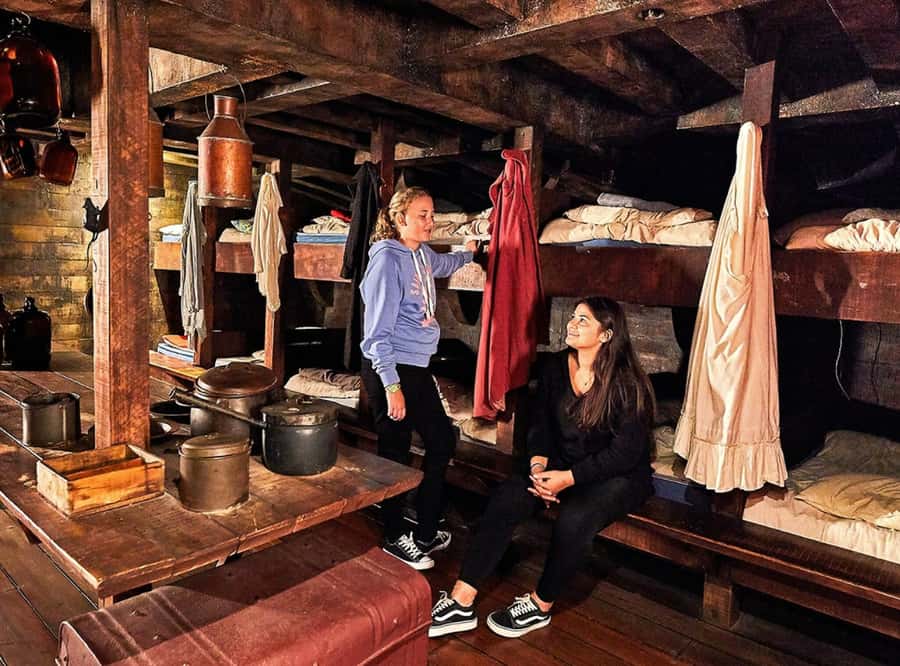
Start at Auckland Viaduct Harbour, where the museum sits right in the flow of the waterfront. That matters more than it sounds, because this area is where boats, people-watching, and maritime energy overlap. If you time your visit with an active sailing event, the setting can feel extra electric—one recent booking mentioned the atmosphere while the ITM New Zealand Sail Grand Prix was underway.
The meeting point is straightforward: head to the New Zealand Maritime Museum at the Viaduct Harbour and plan to show your voucher at the ticket counter. There’s no need to overthink it—just make sure you’re there before your ideal entry time, since the museum stops admitting visitors at 4:00 PM.
If you’re coming from central Auckland, you’ll likely appreciate that this is an easy add-on to a day already planned around the waterfront. You get a museum experience without having to carve out a complicated travel day.
More Auckland landmarks, galleries and tickets
- Auckland Sky Tower General Admission Ticket
★ 4.5 · 805 reviews - Auckland: Wētā Workshop Unleashed Guided Tour Ticket
★ 4.6 · 406 reviews - Sea Life Kelly Tarlton’s Aquarium General Admission
★ 4.5 · 296 reviews - Auckland War Memorial Museum Entry Ticket
★ 4.5 · 293 reviews
Tickets and timing: how long you realistically need
This is a 1-day ticket, and the museum hours run from 10:00 AM to 5:00 PM (open every day except 25th December). The recommended visit length is 1–3 hours, which is a helpful clue. You can do a focused pass in around an hour or two, or slow down if you like reading details and lingering with interactive parts.
Here’s the practical approach I’d use: aim to arrive closer to late morning if you can. That gives you breathing room for indoor galleries, any hands-on stops, and a calm return to the waterfront afterward. If you arrive late afternoon, you can still go, but your time for browsing and switching exhibits becomes tighter.
Also note the “must show voucher at the ticket counter” rule. Keep it accessible, and you’ll avoid that annoying moment of rummaging through your phone or bag while the counter line moves.
What the museum does best: ocean stories with context

The museum’s theme is simple and effective: New Zealand’s history is tied to the sea. The exhibitions frame that connection through immigration, trade, innovation, leisure, and more—so you’re not just looking at boats. You’re learning how the ocean influenced how people traveled, how goods moved, and how technology evolved.
I especially like the way the museum connects different eras and uses the ocean as a thread rather than separate exhibits that feel unrelated. That structure helps you build a mental map of New Zealand as a maritime nation, even if you only spend a few hours inside.
And yes, the museum is designed well. One booking specifically called out the museum’s beautifully designed layout, which you’ll feel when the space guides you from one story to the next without turning into a maze.
The main galleries: from Pacific movement to maritime trade
Expect immersive galleries that walk you through the bigger picture. The exhibits focus on themes like Pacific migrations, and they connect those movements to wider stories of how New Zealand relates to the ocean.
Why this helps you as a visitor: it gives meaning to what you might otherwise treat as a set of ship models or old tools. Instead of asking, What is this? you’ll more often find yourself asking, Why did this matter here? That shift is where museums can turn from “nice” into genuinely memorable.
You’ll also see how maritime trade played into the country’s development. For me, the value is the cause-and-effect angle. Maritime history becomes a practical lens for understanding New Zealand’s connections—by water—over time.
Keep browsing Auckland attraction tickets
Hands-on and interactive moments you can actually use
The museum includes hands-on displays and interactive experiences. Even if you’re not usually the hands-on type, these parts help you understand the scale and purpose behind artifacts. They also break up the reading so you don’t spend the whole visit staring at placards.
One practical tip: treat interactive sections as your “reset points.” Spend a bit of time in a gallery, then do the hands-on element, then circle back to your reading. That pacing tends to make the experience feel faster, not rushed.
If you’re visiting with family, interactive exhibits are often what keeps kids engaged while adults learn something too. And if you’re traveling solo, interactivity gives your attention a place to land.
America’s Cup yacht design: when innovation becomes a story
One of the most distinctive sections (and one reason the museum can appeal to more than just history lovers) is the focus on cutting-edge yacht design tied to the America’s Cup. This is where maritime themes meet engineering and design thinking.
You don’t have to be a sailing expert to enjoy it. The way these exhibits are described—exploring design alongside broader maritime influence—means you get a bridge from sport and technology to the wider ocean story.
If you’ve ever wondered why sailing tech and boatbuilding matter beyond racing, this is the kind of exhibit that answers that. It helps you see maritime innovation as something that travels from the design studio to real-world performance, trade-offs, and long-term development.
Maori traditions and Western shipping: two lenses on the same ocean
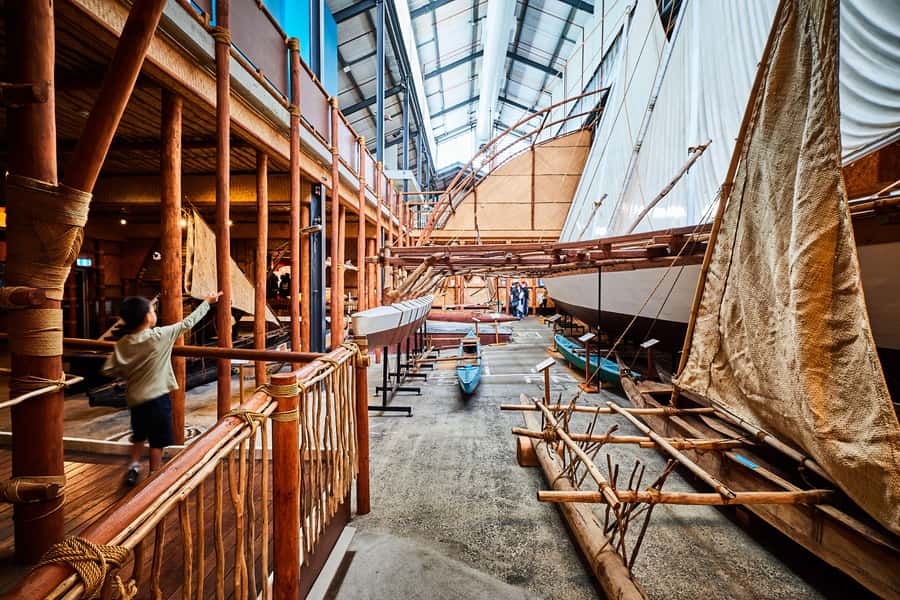
One review specifically highlighted how the museum offers perspective on both Maori traditions and Western shipping. That balance is valuable because it avoids a single-story version of maritime history.
What you’ll likely feel as you move through the exhibits is that the ocean isn’t treated as one cultural idea. Instead, it’s a shared space with different relationships—routes, knowledge, and impacts that vary by community and time period.
If your travel style leans toward cultural understanding, take extra time here. Reading thoughtfully and slowing down for artifact context can make this part of the visit feel richer than you might expect from a ticket that’s just $14.
Beautifully designed space at the water’s edge
The museum’s location and design work together. You’re indoors, learning, but the waterfront context is never far away. One booking made a point of the location being exciting when sail racing was happening nearby, and I get that. Even if you don’t catch an event, the Viaduct Harbour setting makes the overall day feel purposeful.
This is a museum you can visit without needing a strict plan. The design helps you browse in a logical order, and you can choose whether to go detail-heavy or do a brisk storyline sweep.
Museum collection value: why $14 can feel like more
Let’s talk money. At $14 per person, this is not a budget-buster—especially for a museum that includes multiple exhibit styles: immersive galleries, hands-on displays, artifacts, and theme-based storytelling. For the time commitment (often 1–3 hours), that pricing tends to make sense.
The bigger question is value-for-you, not value-in general. If you like:
- maritime tech or design,
- cultural and historical context,
- interactive learning,
- or seeing how New Zealand’s identity connects to the ocean,
then this ticket can feel like a smart use of a half-day to one-day slot. If you only want a quick photo stop, you may end up thinking you spent too much time reading. Luckily, the museum format seems built for variety—so you can skim some areas and linger in others.
Where to fit it into your Auckland day
This is easy to pair with other Viaduct Harbour activities. Plan to go first or mid-day so you still have energy for a walk afterward. The museum opens at 10:00 AM, and last entry is 4:00 PM, so build your timing around that.
Food and drinks aren’t included with admission. That means you’ll want a small plan: either eat before you go or plan to grab something afterward. Since the museum is at a lively harbor location, you’ll likely find options nearby—but don’t rely on the museum to solve your hunger.
Comfort matters too. Wear comfortable shoes, because you’ll likely do more walking than you think while moving between exhibit spaces and interactive areas.
Practical “know before you go” notes that affect your day
A few rules can quietly affect planning:
- You’ll want your passport or ID card.
- Camera is allowed, so bring it if you like documenting exhibits.
- If you’re a student, a student card can matter for how you travel with your group (the ticket data mentions it as something to bring).
- It’s wheelchair accessible, which is a big plus for family and mixed-ability groups.
One rule to watch: unaccompanied minors aren’t allowed. If you’re traveling with kids, make sure they’ll always be supervised by a responsible adult.
Should you book the Auckland Maritime Museum ticket?
If you want a straightforward cultural stop that teaches you something real about New Zealand’s identity, I’d lean yes. The museum hits a sweet spot: maritime themes that connect history to design and human movement, plus interactive elements to keep it from feeling like a lecture.
Book it especially if:
- you’re curious about how New Zealand’s ocean relationship developed over time,
- you enjoy exhibits that mix artifacts with story,
- or you’re the type who would rather learn while you wander than just take photos.
Skip or rethink if your schedule is extremely tight and you hate reading. The museum works best when you give it at least an hour or two to breathe.
In short: at $14, this is a sensible, well-designed way to turn Auckland’s waterfront into an actual learning experience—without needing a full day commitment.
FAQ
How long should I plan to spend at the New Zealand Maritime Museum?
A stay of 1–3 hours is recommended for the experience.
What are the museum opening hours and last entry time?
The museum is open 10:00 AM to 5:00 PM, with last entry at 4:00 PM.
Where do I meet for the ticket entry?
Arrive at New Zealand Maritime Museum at Auckland Viaduct Harbour, and show your voucher at the ticket counter.
What is included with the ticket?
The ticket includes entry to the Maritime Museum.
Is the museum wheelchair accessible?
Yes, the experience is wheelchair accessible.
What should I bring with me?
Bring passport or ID card, comfortable shoes, camera, and (if applicable) your student card.
Are unaccompanied minors allowed?
No, unaccompanied minors are not allowed.
Still More Attraction Tickets in Auckland
- Waiheke Island: Ferry & Hop-On Hop-Off Explorer Bus Tickets
★ 4.6 · 3,311 reviews - Auckland: Hop-On Hop-Off Explorer Bus Ticket
★ 4.4 · 1,064 reviews - Auckland Sky Tower General Admission Ticket
★ 4.5 · 805 reviews - Auckland: Wētā Workshop Unleashed Guided Tour Ticket
★ 4.6 · 406 reviews - Auckland War Memorial Museum Entry Ticket
★ 4.5 · 293 reviews
More Tours Around Auckland
- Waiheke Island: Ferry & Hop-On Hop-Off Explorer Bus Tickets
★ 4.6 · 3,311 reviews - Hobbiton & Waitomo Caves Guided Day Trip from Auckland incl lunch
★ 5.0 · 2,677 reviews - From Auckland: Hobbiton & Waitomo Caves Day Trip with Lunch
★ 4.9 · 2,505 reviews - Auckland Dolphin and Whale Watching Eco-Safari Cruise
★ 4.5 · 1,790 reviews - Skydive Auckland
★ 5.0 · 1,516 reviews
Landmarks and Museums
- Wētā Workshop Unleashed Tour – Auckland
★ 4.5 · 903 reviews - Auckland Sky Tower General Admission Ticket
★ 4.5 · 805 reviews - Auckland: Wētā Workshop Unleashed Guided Tour Ticket
★ 4.6 · 406 reviews - Sea Life Kelly Tarlton’s Aquarium General Admission
★ 4.5 · 296 reviews - Auckland War Memorial Museum Entry Ticket
★ 4.5 · 293 reviews
Fresh off the boat: newer Auckland tours to browse





Auckland Landmarks & Museums, compared.
 ★ 4.5Wētā Workshop Unleashed Tour – AucklandFrom $40903 reviews
 ★ 4.5Auckland Sky Tower General Admission TicketFrom $24805 reviews
 ★ 4.6Wētā Workshop Unleashed Guided Tour TicketFrom $38406 reviews
 ★ 4.5Sea Life Kelly Tarlton’s Aquarium General AdmissionFrom $23296 reviews
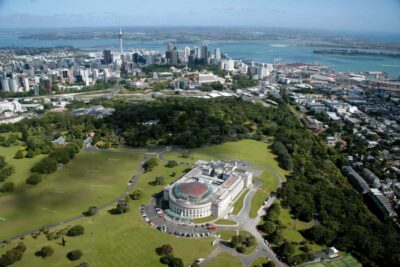 ★ 4.5Auckland War Memorial Museum Entry TicketFrom $16293 reviews
 ★ 4.0SEA LIFE Kelly Tarlton’s General AdmissionFrom $24241 reviews
 ★ 5.0Explore gardens & galleries filled with incredible art, MatakanaFrom $40186 reviews
 ★ 4.5Skip the Line: Auckland Museum General Admission TicketFrom $16183 reviews
Browse the lists this tour appears in