
Reviewed · WEST COAST & BLACK SAND BEACHES
Auckland: Group Surfing Lesson with Muriwai Surf School
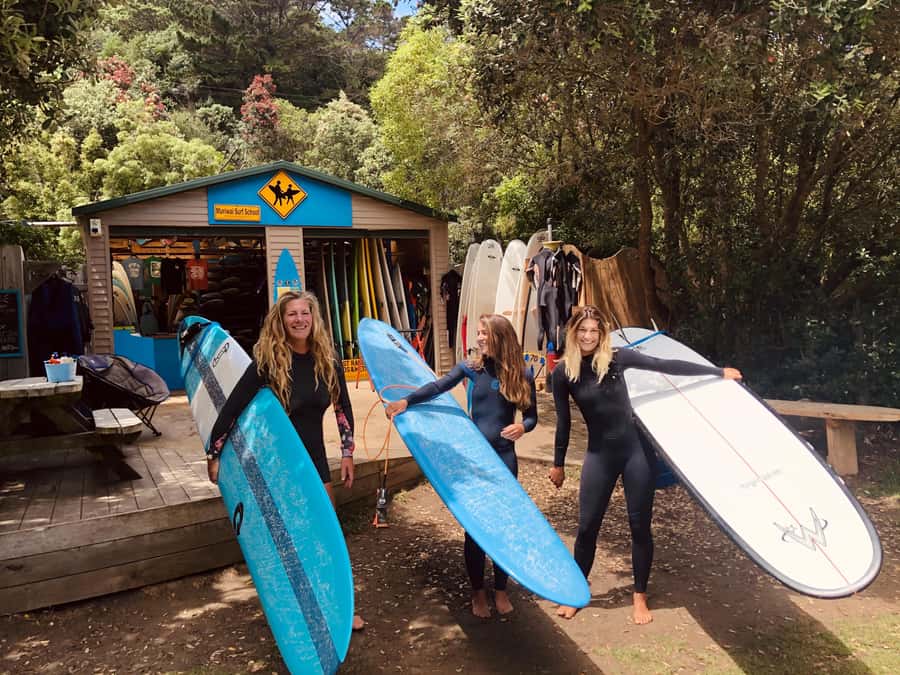
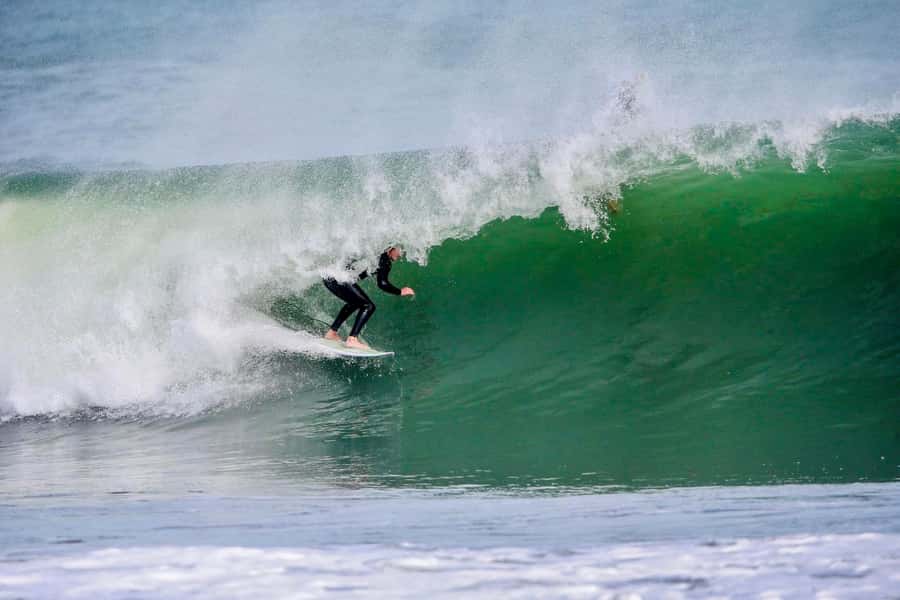
Surfing feels like a skill you can learn. In Auckland, that idea becomes real at Muriwai Beach, about 40 minutes from the city. This small-group intro lesson is built for first-timers and anyone who needs a reset on the basics, with a plan that goes from board setup to getting into the waves without chaos.
I really like how the lesson keeps you active and supported. You get equipment included (surfboard and wetsuit) and a qualified instructor who stays with you through the key moments: gear basics, safety, wave spotting, and then coaching you as you try to stand up.
One thing to consider: this lesson isn’t for everyone. It’s not suitable for non-swimmers and it’s not for children under 9, so you’ll want to be comfortable in the water before you book.
In This Review
- Key highlights worth knowing
- Why Muriwai Beach makes a great place to start surfing
- The 2-hour flow: from board basics to your first real rides
- 1) Equipment and getting into the right mindset
- 2) The technique moment: standing up
- 3) Wave check and safety before you go in
- 4) In the water: instructor support and wave-catching practice
- Equipment is part of the lesson (and that’s good value)
- What you should still bring
- Small comfort tip
- Coaching that stays with you: feedback, safety, and real encouragement
- Instructor support you can rely on
- Why the feedback style matters
- Price and value: is $41 worth it?
- What’s not included (plan for this)
- Who should book this, and who should skip it
- It’s a good fit if you:
- It may not be for you if:
- Getting organized: what to pack and how to show up ready
- Simple checklist
- Should you book Muriwai Surf School’s Intro Lesson?
- FAQ
- How long is the surfing lesson?
- How many people are in the group?
- Is transportation to Muriwai Beach included?
- Do I need to bring my own surfboard and wetsuit?
- What should I bring with me?
- Is this lesson for kids?
- Can I cancel and get a refund?
Key highlights worth knowing

- Muriwai Beach location: West-coast surfing near Auckland City, roughly 40 minutes out
- Small groups (up to 10): Easier attention and more chances to get real feedback
- Gear supplied: Surfboard and wetsuit included so you can show up simply
- Safety + wave check included: You cover getting in the water and reading conditions before you try
- Instructor coaching in the water: Support while you pick and catch waves, plus encouragement
- English-speaking, professional instruction: Clear guidance, especially helpful if it’s your first time
Why Muriwai Beach makes a great place to start surfing

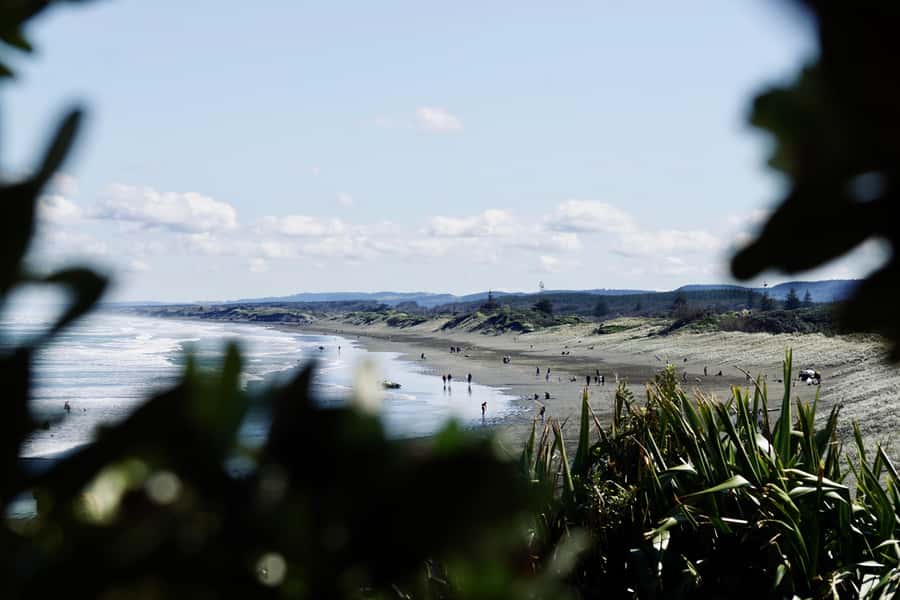
Muriwai is the kind of Auckland-area coastline you associate with fresh air and proper beach days, not a sterile sports facility. You’re learning on the west coast, and that matters because surfing is about adapting to the ocean you’re standing in, not some imagined spot from a video.
What I like about this location is how practical it feels for a short trip. From Auckland City it’s about 40 minutes, which means you can fit it into a day without needing a whole separate vacation rhythm. If you’re already in Auckland and want an activity that actually teaches you something physical, this is a smart match.
Also, learning in real surf conditions (with an instructor there to guide you) beats trying to wing it on your own. You’ll spend time on the sand getting the fundamentals, then you’ll head down to check the waves, then you’ll go in with support.
More wild west-coast days from Auckland, black sand and all
- Waitakere Ranges Wilderness Experience Tour from Auckland
★ 4.8 · 340 reviews - Piha Waitakere Rainforest Wine Tour from Auckland
★ 5.0 · 201 reviews - Auckland City Highlights, Afternoon Piha Beach & Rainforest Tour
★ 5.0 · 134 reviews - Muriwai Scenic Wine Tour from Auckland
★ 5.0 · 118 reviews
The 2-hour flow: from board basics to your first real rides
This is a 2-hour intro to surfing group lesson, and the schedule is designed for beginners. You’re not just dropped at the shoreline and told good luck. The lesson moves in stages so your brain isn’t trying to learn everything at once.
Here’s how the time typically unfolds:
1) Equipment and getting into the right mindset
You start with the essentials: understanding the equipment and what it’s for. That includes how to work with the surfboard in a way that makes sense for your first attempts at getting up.
This step is small, but it’s important. If you know how to handle the board and what you’re supposed to be doing with your body, the water time becomes productive instead of frustrating.
2) The technique moment: standing up
Next comes the main basics: learning the correct technique to stand up. You’ll practice the idea before you’re trying to do it while waves move around you.
For beginners, this is the difference between random attempts and real progress. Surfing is not just strength or balance. It’s timing plus body positioning. A coach is best placed to correct those early mistakes before they become habits.
More adrenaline around Auckland if you dare



3) Wave check and safety before you go in
After the basics, you head down to check the waves and cover safety for getting in the water. That’s not filler. Surf conditions can change fast, and safety rules are how you learn without panic.
This is also where you learn how to think like a surfer for beginners: notice the waves, understand what you’re aiming for, and don’t rush straight into the hardest moments.
4) In the water: instructor support and wave-catching practice
Once you’re in, you’re not left alone. The instructor supports you, helps you pick waves, and helps you catch waves. They give feedback and tips while you’re trying.
And if you get that longer ride all the way toward the beach, you’ll get encouragement too. That kind of positive reinforcement matters in a beginner lesson. It turns a tough first try into something you want to repeat.
Equipment is part of the lesson (and that’s good value)
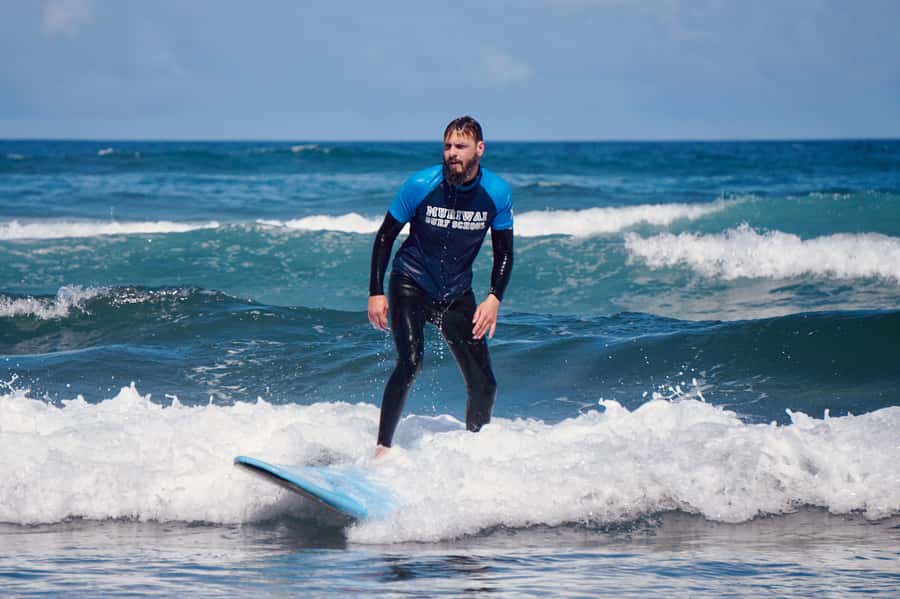
Getting surfing started can get expensive fast if you have to rent gear or figure out wetsuits yourself. Here, you don’t have that problem. You receive the surfboard and wetsuit you need.
That changes the whole experience for first-timers. You can focus on learning instead of solving logistics. You’re also more likely to end up with gear matched to the lesson environment, since the provider is running a surf-school setup that’s meant for learning.
What you should still bring
Even though the main gear is included, you still need to show up ready for the conditions. Bring:
- Swimwear
- Towel
- Sunscreen
- Water
That last one is easy to forget at the beach. I recommend you actually carry it. Surf lessons are active, and you’re out in sun and wind.
Small comfort tip
A wetsuit can feel tight at first. If you’ve never worn one, don’t panic. It’s normal to take a few minutes to get used to it. The lesson structure helps because you’re guided from basics onward.
Coaching that stays with you: feedback, safety, and real encouragement

The big thing I want from a beginner surf lesson is attention. You want someone who can see what you’re doing and correct it fast.
This is a group lesson capped at 10 participants, and that size matters. In a smaller group, the instructor can actually give feedback while you’re on the board. You’re not waiting in line while everyone else goes first.
Instructor support you can rely on
The lesson is led by fully qualified surf instructors, and the experience emphasizes support at all times. That shows up in how the instructor:
- takes you through safety for getting in the water
- stays with you while you try to catch waves
- gives feedback and tips as you attempt stands and rides
In the real-world example from a learner who had never surfed before, Jacob was singled out for clear explanations and hands-on assistance. Another learner described Jakob as patient, helpful, and effective with the basics in an easygoing small group of five. Different names, same theme: the coaching is patient and practical, not vague.
Why the feedback style matters
Surfing punishes bad habits early. If you only learn theory, you’ll keep repeating the same wrong movement. With live feedback, you can adjust quickly:
- body position improves sooner
- timing gets closer to right
- confidence grows because you understand what to change
And if you’re encouraged when you do something right, you’re more likely to keep trying when it feels awkward.
Price and value: is $41 worth it?

At $41 per person for a 2-hour group lesson, the value looks solid because you’re not just paying for coaching time. You’re also getting key gear.
For a beginner, these inclusions are the big deal:
- surfboard included
- wetsuit included
- fully qualified instructor
- a structured lesson that includes safety and wave practice
You’re also paying for a setup that reduces your risk of wasting time. If you try to learn alone, you can spend hours without real progress. A guided lesson compresses the learning into a couple hours where each step builds on the last.
What’s not included (plan for this)
You’ll need to cover:
- transportation to and from the activity
- food and drinks
- personal expenses
If you’re budgeting, the main thing is transportation. The lesson is only about 40 minutes from Auckland City, but you still need a plan to get there and back.
Who should book this, and who should skip it
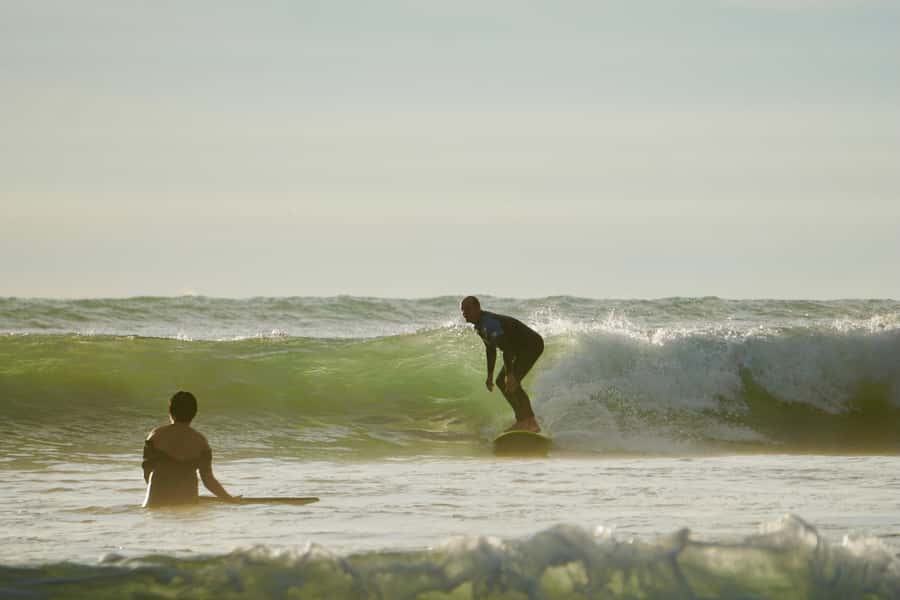
This intro lesson is aimed at beginners and people who want a fundamentals refresh. You can treat it as a first step in surfing, not a stunt class.
It’s a good fit if you:
- are learning to surf for the first time
- want a safe, structured environment
- appreciate clear instruction and feedback
- want equipment handled for you (board + wetsuit)
It may not be for you if:
- you’re a non-swimmer (the lesson is not suitable)
- you’re traveling with kids under 9 (also not suitable)
Also, if you have medical conditions, you’re asked to inform the instructor beforehand. That’s not a small detail. Surf lessons involve time in cold water, active movement, and safety procedures, so the more the coach knows, the better.
Getting organized: what to pack and how to show up ready

Arrive 15 minutes before the lesson starts. That isn’t busywork. It gives you time to get geared up and be in the right headspace before you’re asked to focus on technique.
If you show up late, you’ll lose the part of the lesson that helps you settle into the wetsuit and understand what you’re doing on the board. Surfing takes coordination. You want to start with a calm setup, not a rushed one.
Simple checklist
Before you leave your accommodation:
- confirm you have swimwear, towel, sunscreen, water
- plan how you’ll get there and back (transportation isn’t included)
- consider how you’ll handle anything personal you don’t want to carry during lesson time
You’ll also want to avoid smoking and alcohol or drugs, since those aren’t allowed during the activity.
Should you book Muriwai Surf School’s Intro Lesson?
If you’re in Auckland and you want your first surf attempt to be guided, structured, and safety-minded, I think this is a strong booking choice. The biggest reasons are the small group size, the professional instructor support, and the fact that you get board + wetsuit included.
I’d skip it only if you don’t meet the basic requirements: non-swimmers, and children under 9. Also, if you’re expecting a flexible half-day that includes transport or meals, you’ll need to plan around that since those aren’t included.
If your goal is simple—learn the basics, practice standing up, understand wave safety, and get coached while you try—this is exactly the kind of lesson that can turn surf interest into a real skill.
FAQ
How long is the surfing lesson?
It’s a 2-hour group lesson.
How many people are in the group?
The group is limited to 10 participants.
Is transportation to Muriwai Beach included?
No, transportation to and from the activity location is not included.
Do I need to bring my own surfboard and wetsuit?
No. The lesson includes a surfboard and a wetsuit.
What should I bring with me?
Bring swimwear, a towel, sunscreen, and water.
Is this lesson for kids?
It’s not suitable for children under 9 years old.
Can I cancel and get a refund?
Yes. You can cancel up to 24 hours in advance for a full refund.
More Tours Around Auckland
- Waiheke Island: Ferry & Hop-On Hop-Off Explorer Bus Tickets
★ 4.6 · 3,311 reviews - Hobbiton & Waitomo Caves Guided Day Trip from Auckland incl lunch
★ 5.0 · 2,677 reviews - From Auckland: Hobbiton & Waitomo Caves Day Trip with Lunch
★ 4.9 · 2,505 reviews - Auckland Dolphin and Whale Watching Eco-Safari Cruise
★ 4.5 · 1,790 reviews - Skydive Auckland
★ 5.0 · 1,516 reviews
For a Faster Pulse
- Skydive Auckland
★ 5.0 · 1,516 reviews - Waiheke Island: Zipline and Native Forest Adventure Trip
★ 4.9 · 695 reviews - Auckland: 13000, 16000, or 18000-Foot Tandem Skydive
★ 4.9 · 151 reviews - 2 Hour Surf Lesson – Te Arai Beach
★ 5.0 · 119 reviews - Jet Ski Hire Auckland – Experience the Fun with the Best Operator
★ 5.0 · 62 reviews
The Black-Sand West Coast
- Afternoon Piha Beach and Rainforest Tour from Auckland
★ 5.0 · 807 reviews - Waitakere Ranges Wilderness Experience Tour from Auckland
★ 4.8 · 340 reviews - Piha Waitakere Rainforest Wine Tour from Auckland
★ 5.0 · 201 reviews - Auckland City Highlights, Afternoon Piha Beach & Rainforest Tour
★ 5.0 · 134 reviews - Muriwai Scenic Wine Tour from Auckland
★ 5.0 · 118 reviews
Fresh off the boat: newer Auckland tours to browse






West Coast & Black Sand Beaches, compared.
 ★ 5.0Afternoon Piha Beach and Rainforest Tour from AucklandFrom $124807 reviews
 ★ 4.8Waitakere Ranges Wilderness Experience Tour from AucklandFrom $119340 reviews
 ★ 5.0Piha Waitakere Rainforest Wine Tour from AucklandFrom $195201 reviews
 ★ 5.0Auckland City Highlights, Afternoon Piha Beach & Rainforest TourFrom $183134 reviews
 ★ 5.0Muriwai Scenic Wine Tour from AucklandFrom $114118 reviews
 ★ 5.0Vineyards Honey and Black Sand Beaches from AucklandFrom $18393 reviews
 ★ 5.0Auckland City and West Coast Full Day TourFrom $24583 reviews
 ★ 4.6Guided Tour of Piha with Scenic Beach Walks56 reviews
Browse the lists this tour appears in